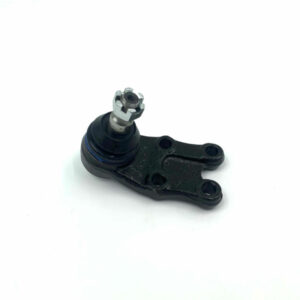
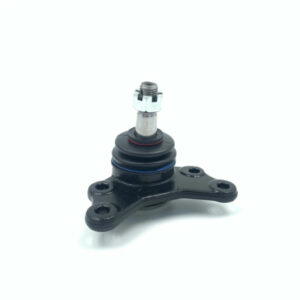
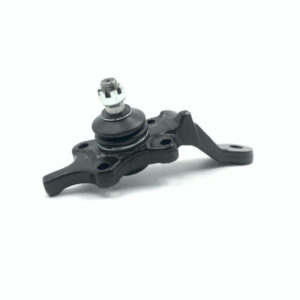
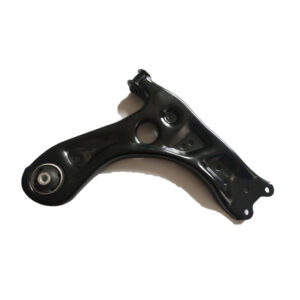
What Are the Core Differences Between Metal-to-Plastic (POM/PTFE) and Metal-to-Metal Ball Joint Bearing Liners? Material Composition: POM, PTFE, and Steel Alloys Explained The bearing liner inside a ball joint separates the ball stud from the housing. In...
As suspension systems evolve to meet stricter durability and safety standards, the specification of induction hardening depth on ball pins has become a critical engineering decision. Whether you source from a local supplier or a global ball joint manufacturer ,...
What Is the Difference Between Cold Forging and Hot Forging for Automotive Suspension Ball Studs? The ball stud is the central load-bearing component in a ball joint assembly. It transfers steering and suspension forces while allowing rotational and angular movement....
How to Vet and Select a Reliable OEM Suspension Parts Manufacturer? Sourcing OEM-grade suspension parts like control arms, tie rods, and stabilizer links demands a rigorous vetting process. The wrong supplier can lead to fitment failures, warranty claims, and brand...
Why Should You Source Aftermarket Auto Parts from Brazil in 2026? Overview of Brazil's Growing Auto Parts Market in 2026 Brazil's automotive aftermarket has been expanding steadily, with 2026 projections showing a 5.2% growth compared to the previous year,...
Why Source Control Arms from Mexico in 2026? The global auto parts supply chain has shifted dramatically by 2026. For control arms—a critical suspension component—Mexico has emerged as a top sourcing destination for US and European buyers. This isn't just about...