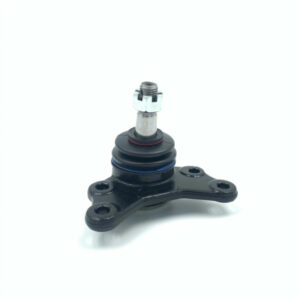
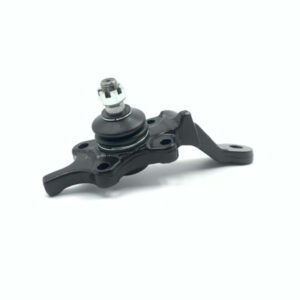
As an auto parts supplier serving workshops and distributors across East Asia, Eropah, and North America, I see one question surface repeatedly: how do suspension architectures actually change the demands on control arms and ball joints? The choice between MacPherson...
Dust boots are small components with an oversized impact on suspension longevity. Whether you manage a fleet of delivery vans in Northern Europe or distribute aftermarket parts across North America, the material choice between CR/NBR rubber and polyurethane directly...
What Is OE Matching and Why Is It Critical for Chassis Parts Suppliers? Defining OE Matching: More Than Just Dimensions OE matching refers to the process of ensuring that a replacement part conforms exactly to the specifications of the Original Equipment component....
What Are the Core Differences Between Metal-to-Plastic (POM/PTFE) and Metal-to-Metal Ball Joint Bearing Liners? Material Composition: POM, PTFE, and Steel Alloys Explained The bearing liner inside a ball joint separates the ball stud from the housing. In...
As suspension systems evolve to meet stricter durability and safety standards, the specification of induction hardening depth on ball pins has become a critical engineering decision. Whether you source from a local supplier or a global ball joint manufacturer ,...
What Is the Difference Between Cold Forging and Hot Forging for Automotive Suspension Ball Studs? The ball stud is the central load-bearing component in a ball joint assembly. It transfers steering and suspension forces while allowing rotational and angular movement....