
เชิงนามธรรม
Determining the cost of a vehicle's control arm replacement involves a multifaceted analysis extending beyond the price of the part itself. การตรวจสอบนี้จะตรวจสอบผลกระทบทางการเงินของการเปลี่ยนแขนควบคุมระบบกันสะเทือน 2025, ตัวเลขที่แตกต่างกันอย่างมีนัยสำคัญขึ้นอยู่กับตัวแปรที่พึ่งพาอาศัยกันหลายตัว. The total expense is a composite of the component's cost and the labor required for installation. Key determinants of this cost include the vehicle's make, แบบอย่าง, และปี, ด้วยยานยนต์ที่หรูหราและสมรรถนะสูงในราคาที่สูงกว่า. ทางเลือกระหว่างผู้ผลิตอุปกรณ์ดั้งเดิม (OEM) ชิ้นส่วนและทางเลือกหลังการขายนำเสนอตัวแปรต้นทุนที่สำคัญอีกประการหนึ่ง, เช่นเดียวกับวัสดุที่ใช้, เช่น เหล็กประทับตรา, เหล็กหล่อ, หรืออลูมิเนียม. อัตราค่าแรง, which differ by geographic region and the repair facility's nature, มีส่วนสำคัญในการเรียกเก็บเงินครั้งสุดท้าย. นอกจากนี้, ขอบเขตของการซ่อมแซม ไม่ว่าจะเปลี่ยนชิ้นส่วนเดียวหรือทั้งชุดที่มีข้อต่อลูกหมากและบูชในตัว และความจำเป็นในการบริการที่ตามมา เช่น การจัดตำแหน่งล้อ, เป็นส่วนสำคัญในการประเมินต้นทุนที่ครอบคลุม.
ประเด็นสำคัญ
- ประเภทยานพาหนะเป็นตัวขับเคลื่อนต้นทุนหลัก; รถหรูมีอะไหล่ราคาแพงกว่า.
- อะไหล่หลังการขายช่วยให้ประหยัดได้, แต่ OEM รับประกันความพอดีและคุณภาพที่สมบูรณ์แบบ.
- Labor costs can often exceed the part's price, แตกต่างกันไปตามสถานที่.
- การเปลี่ยนชุดแขนควบคุมทั้งชุดมีค่าใช้จ่ายสูงกว่าแต่มักจะทนทานมากกว่า.
- การทำความเข้าใจว่าแขนควบคุมต้องใช้งบประมาณเท่าใดในการจัดตำแหน่งล้อ.
- การเปลี่ยนชิ้นส่วนที่เกี่ยวข้อง เช่น ลูกหมากพร้อมกันสามารถประหยัดต้นทุนในอนาคตได้.
- การวินิจฉัยอาการการสึกหรอตั้งแต่เนิ่นๆ จะช่วยป้องกันความเสียหายที่กว้างขวางและมีราคาแพงมากขึ้น.
สารบัญ
- บทบาทของแขนควบคุมในพลศาสตร์ของยานพาหนะ
- การแยกต้นทุน: แขนควบคุมมีราคาเท่าไหร่?
- 5 ปัจจัยสำคัญที่มีอิทธิพลต่อต้นทุนการเปลี่ยนแขนควบคุม
- อาการของแขนควบคุมที่ล้มเหลว: การฟังยานพาหนะของคุณ
- ภาวะที่กลืนไม่เข้าคายไม่ออกทดแทน: DIY กับ DIY. การติดตั้งอย่างมืออาชีพ
- มุมมองทั่วโลกเกี่ยวกับต้นทุนแขนควบคุม: เรา, ยุโรป, และเอเชีย
- คำถามที่พบบ่อย (คำถามที่พบบ่อย)
- ความคิดสุดท้ายเกี่ยวกับการจัดทำงบประมาณเพื่อสุขภาพที่ถูกระงับ
- อ้างอิง
บทบาทของแขนควบคุมในพลศาสตร์ของยานพาหนะ
เรา," one must first develop an appreciation for the part's profound role in the life of a vehicle. Think of a car's suspension system as its musculoskeletal structure. เป็นเครือข่ายที่ซับซ้อนของส่วนประกอบต่างๆ ที่ทำงานร่วมกันเพื่อจัดการพลังอันมหาศาลที่เกิดจากยานพาหนะที่กำลังเคลื่อนที่ซึ่งมีปฏิสัมพันธ์กับโลกที่ไม่สมบูรณ์. ภายในระบบนี้, แขนควบคุมทำหน้าที่เหมือนกับกระดูกในแขนของคุณ, จัดให้มีการเชื่อมโยงโครงสร้างและจุดหมุนสำหรับการเคลื่อนย้าย.
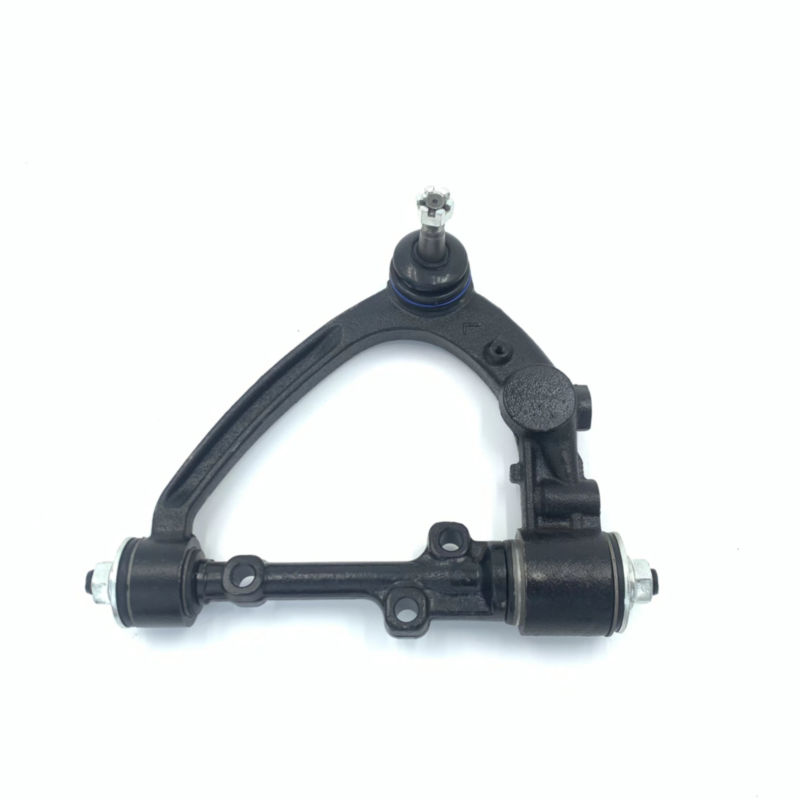
ก แขนควบคุมช่วงล่าง is a hinged link that connects the vehicle's chassis to the steering knuckle or hub—the assembly that holds the wheel. การเชื่อมต่อนี้ไม่เข้มงวด; มันถูกออกแบบมาให้หมุนได้, ช่วยให้ล้อเคลื่อนที่ในแนวตั้งเพื่อตอบสนองต่อแรงกระแทก, จุ่ม, และลูกคลื่นบนผิวถนน. การเดินทางในแนวตั้งนี้เป็นสิ่งที่ให้ความสบายในการขับขี่. หากไม่มีมัน, ความไม่สมบูรณ์แบบของถนนทุกเส้นจะส่งผลกระทบที่สั่นสะเทือนไปยังห้องโดยสารโดยตรง. พร้อมกัน, แขนควบคุมจะต้องยึดชุดล้ออย่างแน่นหนาในแนวที่ถูกต้อง, ทำให้มั่นใจได้ว่ารถจะวิ่งตรงและตอบสนองต่ออินพุตพวงมาลัยอย่างคาดเดาได้ (สปีดเวย์มอเตอร์, 2024).
ยานพาหนะสมัยใหม่ส่วนใหญ่ใช้ระบบกันสะเทือนแบบอิสระ, หมายถึงการเคลื่อนที่ของล้อข้างหนึ่งไม่ส่งผลโดยตรงต่อล้อที่อยู่ฝั่งตรงข้าม. ในระบบเหล่านี้, โดยทั่วไปคุณจะพบแขนควบคุมส่วนล่างอย่างน้อยหนึ่งอันและ, ในรูปแบบต่างๆ มากมาย เช่น ช่วงล่างแบบปีกนกคู่, แขนควบคุมส่วนบนเช่นกัน. The interplay between these upper and lower arms dictates how the wheel's angle, หรือแคมเบอร์, เปลี่ยนแปลงเมื่อระบบกันสะเทือนบีบอัดและดีดกลับ. This dynamic geometry is fundamental to maintaining the tire's contact patch with the road during cornering, ซึ่งเป็นที่มาของการยึดเกาะและความมั่นคง.
แขนควบคุมนั้นไม่ใช่นักแสดงที่โดดเดี่ยว. เป็นส่วนหนึ่งของวงดนตรีเล็กๆ. ณ จุดเชื่อมต่อของมัน, คุณจะพบบูชซึ่งโดยทั่วไปทำจากยางหรือโพลียูรีเทน ซึ่งดูดซับแรงสั่นสะเทือนและช่วยให้หมุนได้อย่างราบรื่น. ที่ปลายล้อ, คุณมักจะพบข้อต่อลูกหมากเสมอ, ตลับลูกปืนทรงกลมที่ทำหน้าที่เหมือนข้อต่อสะโพกของมนุษย์, ช่วยให้สนับมือหมุนได้หลายทิศทางเพื่อบังคับเลี้ยว. บ่อยครั้ง, แขนควบคุมขายเป็นชุดประกอบ, พร้อมบูชใหม่และข้อต่อลูกหมากที่ติดตั้งไว้ล่วงหน้า. สิ่งนี้เชื่อมต่อกับเครือข่ายขนาดใหญ่รวมถึงลิงค์โคลง, ซึ่งบริหารการม้วนตัว, และคันผูก, ซึ่งแปลการเคลื่อนที่ของพวงมาลัยไปสู่การหมุนของล้อ. ความสมบูรณ์ของแขนควบคุมส่งผลโดยตรงต่อการทำงานและอายุการใช้งานของชิ้นส่วนที่อยู่ติดกันเหล่านี้.
การแยกต้นทุน: แขนควบคุมมีราคาเท่าไหร่?
เมื่อคุณได้รับใบเสนอราคาสำหรับการเปลี่ยนแขนควบคุม, ตัวเลขทั้งหมดสามารถแบ่งออกเป็นสองประเภทหลัก: ต้นทุนของชิ้นส่วนและต้นทุนแรงงาน. มันเป็นการทำงานร่วมกันระหว่างทั้งสอง, ได้รับอิทธิพลจากปัจจัยหลายประการ, ที่กำหนดจำนวนเงินสุดท้ายในใบแจ้งหนี้ของคุณ. ราคาสำหรับแขนควบคุมทางกายภาพอาจมีตั้งแต่เพียงเล็กน้อยเท่านั้น $50 สำหรับอะไหล่หลังการขายธรรมดาสำหรับรถประหยัดทั่วไป $500 สำหรับคอมเพล็กซ์, ชิ้นส่วนอลูมิเนียมน้ำหนักเบา OEM สำหรับรถเก๋งหรูยุโรป.
แรงงานเป็นตัวแทนของอีกครึ่งหนึ่งของสมการ. A mechanic's time is valuable, และงานนี้ต้องใช้ทักษะ, เครื่องมือพิเศษ, และลิฟท์เบย์. โดยทั่วไปแล้ว การเปลี่ยนแขนควบคุมเดี่ยวจะใช้เวลาระหว่างนั้น 1.5 ถึง 3 ชั่วโมง. โดยมีอัตราค่าแรงรายชั่วโมงในสหรัฐอเมริกามีตั้งแต่ $80 จบลง $200, ค่าแรงเพียงอย่างเดียวก็สามารถได้อย่างง่ายดาย $120 ถึง $600 หรือมากกว่าต่อแขน.
ตารางด้านล่างนี้เป็นการประมาณการต้นทุนชิ้นส่วนโดยทั่วไปเพื่อช่วยคุณกำหนดกรอบความคาดหวังของคุณ. ตัวเลขเหล่านี้เป็นเพียงภาพประกอบและอาจผันผวนขึ้นอยู่กับยานพาหนะและซัพพลายเออร์เฉพาะราย.
| คลาสยานพาหนะ | ต้นทุนชิ้นส่วนหลังการขาย (โดยแขน) | ต้นทุนชิ้นส่วน OEM (โดยแขน) |
|---|---|---|
| เศรษฐกิจ (เช่น, ฮอนด้าซีวิค, โตโยต้า โคโรลา) | $50 – $150 | $120 – $300 |
| ซีดานขนาดกลาง (เช่น, ฟอร์ด ฟิวชั่น, นิสสัน อัลติม่า) | $75 – $200 | $180 – $400 |
| เอสยูวี/ครอสโอเวอร์ (เช่น, โตโยต้า RAV4, ฟอร์ดเอ็กซ์พลอเรอร์) | $90 – $250 | $220 – $550 |
| รถบรรทุก (เช่น, ฟอร์ดเอฟ-150, ราม 1500) | $100 – $300 | $250 – $600 |
| ความหรูหรา/ประสิทธิภาพ (เช่น, บีเอ็มดับเบิลยู 3 ชุด, ออดี้ A4) | $150 – $400 | $350 – $800+ |
มักแนะนำให้เปลี่ยนแขนควบคุมเป็นคู่ (ทั้งด้านซ้ายและด้านขวา) เพื่อรักษาสมดุลของการทรงตัวและการสึกหรอของระบบกันสะเทือน. ในขณะที่ต้นทุนชิ้นส่วนเพิ่มขึ้นสองเท่า, แรงงานอาจไม่เพิ่มเป็นสองเท่า, เนื่องจากขั้นตอนบางขั้นตอนทับซ้อนกัน. คำนึงถึงค่าใช้จ่ายในการตั้งศูนย์ล้อเสมอ, เนื่องจากเป็นขั้นตอนที่ไม่สามารถต่อรองได้หลังการเปลี่ยน เพื่อความปลอดภัยและป้องกันการสึกหรอของยางก่อนวัยอันควร.
5 ปัจจัยสำคัญที่มีอิทธิพลต่อต้นทุนการเปลี่ยนแขนควบคุม
การเปลี่ยนแปลงของต้นทุนสำหรับการซ่อมแซมแบบมาตรฐานอาจทำให้สับสนได้. อย่างไรก็ตาม, โดยการตรวจสอบปัจจัยหลักห้าประการที่กำหนดราคาสุดท้าย, ก็เกิดภาพที่ชัดเจนขึ้น. องค์ประกอบเหล่านี้ทำงานร่วมกันเพื่อสร้างช่วงราคากว้างๆ ที่คุณพบเมื่อค้นหาใบเสนอราคา.
1. ยี่ห้อรถ, แบบอย่าง, และปี: ลำดับชั้นของต้นทุนยานยนต์
ปัจจัยเดียวที่สำคัญที่สุดในการพิจารณาว่าจะมีแขนควบคุมมากน้อยเพียงใดก็คือตัวรถเอง. มีลำดับชั้นที่จัดตั้งขึ้นในโลกยานยนต์. อะไหล่สำหรับแบรนด์หรูอย่าง BMW, เมอร์เซเดส-เบนซ์, และ Audi ได้รับการออกแบบทางวิศวกรรมให้มีความทนทานสูงขึ้น, มักใช้วัสดุขั้นสูงกว่า, และผลิตในปริมาณน้อยกว่าชิ้นส่วนสำหรับรถยนต์ในตลาดมวลชน เช่น Toyota Camry หรือ Ford Focus. ส่งผลให้ต้นทุนชิ้นส่วนสูงขึ้นอย่างมาก.
ตัวอย่างเช่น, แขนควบคุมที่ต่ำกว่าสำหรับ Honda Civic อายุ 10 ปีอาจมีราคา $70 สำหรับชิ้นส่วนหลังการขาย. ชิ้นส่วน OEM ที่เทียบเท่ากับรถ BMW อายุ 5 ปี 5 ซีรีส์อาจเป็นได้อย่างง่ายดาย $400 หรือมากกว่านั้น. ความซับซ้อนของการออกแบบระบบกันสะเทือนก็มีส่วนเช่นกัน. ระบบแม็กเฟอร์สันสตรัทแบบธรรมดา, พบได้ทั่วไปในรถยนต์ราคาประหยัด, ใช้แขนควบคุมด้านล่างเพียงอันเดียวซึ่งเข้าถึงและเปลี่ยนได้ง่าย. ในทางตรงกันข้าม, ระบบกันสะเทือนแบบมัลติลิงค์อันซับซ้อนที่พบในรถยนต์สมรรถนะสูงและรถหรูอาจมีลิงค์แยกกันหลายอัน, แต่ละอันมีบูชและข้อต่อลูกหมากของตัวเอง, ทำให้ชิ้นส่วนมีราคาแพงขึ้นและใช้แรงงานเข้มข้นมากขึ้น. The vehicle's year matters as well; อะไหล่สำหรับรุ่นใหม่ๆ อาจจะหายากและมีราคาแพง, ในขณะที่ชิ้นส่วนสำหรับรถยนต์ที่เก่ามากหรือหายากนั้นก็หาได้ยากเช่นกัน.
2. คุณภาพชิ้นส่วนและวัสดุ: OEM, หลังการขาย, และระดับประสิทธิภาพ
เมื่อคุณรู้แล้วว่ารถของคุณต้องการชิ้นส่วนไหน, คุณต้องเผชิญกับทางเลือก: ผู้ผลิตอุปกรณ์ดั้งเดิม (OEM), หลังการขาย, หรือเกรดประสิทธิภาพ?
- ชิ้นส่วน OEM: สิ่งเหล่านี้เหมือนกับชิ้นส่วนที่รถของคุณสร้างขึ้นที่โรงงาน. พวกเขารับประกันความพอดีที่สมบูรณ์แบบ, ประสิทธิภาพที่คาดหวัง, และคุณภาพวัสดุดั้งเดิม. อย่างไรก็ตาม, พวกเขามักจะเป็นตัวเลือกที่แพงที่สุดเสมอ.
- อะไหล่หลังการขาย: สิ่งเหล่านี้ผลิตโดยบริษัทอื่นที่ไม่ใช่ผู้ผลิตดั้งเดิม. คุณภาพอาจมีตั้งแต่เท่ากับหรือมากกว่ามาตรฐาน OEM ไปจนถึงด้อยกว่าอย่างเป็นอันตราย. แบรนด์หลังการขายที่มีชื่อเสียงมอบทางเลือกที่คุ้มค่าและช่วยคุณประหยัดได้ 30-60% ในส่วนของต้นทุน. สำรวจแคตตาล็อกของ ชุดประกอบแขนควบคุมหลังการขายคุณภาพสูง สามารถเผยคุณค่าอันยอดเยี่ยมออกมาได้. ความเสี่ยงอยู่ที่การเลือกชิ้นส่วนคุณภาพต่ำที่อาจเสียหายก่อนเวลาอันควรหรือติดตั้งไม่ถูกต้อง, ส่งผลให้ต้นทุนค่าแรงเพิ่มมากขึ้น.
- อะไหล่สมรรถนะ: สำหรับผู้ที่ชื่นชอบ, แขนควบคุมประสิทธิภาพนำเสนอคุณสมบัติต่างๆ เช่น ความยาวที่ปรับได้สำหรับการจัดตำแหน่งแบบกำหนดเอง หรือบูชโพลียูรีเทนที่แข็งขึ้นเพื่อการควบคุมที่ตอบสนองได้ดียิ่งขึ้น. โดยทั่วไปแล้วจะมีราคาแพงกว่า OEM และอาจส่งผลให้การขับขี่รุนแรงขึ้น, ทำให้ไม่เหมาะกับผู้ขับขี่รายวันที่เน้นความสะดวกสบาย (CarbonXTrem, 2025).
วัสดุของแขนควบคุมยังส่งผลต่อราคาและประสิทธิภาพด้วย.
| วัสดุ | ลักษณะเบื้องต้น | แอปพลิเคชันทั่วไป | ระดับต้นทุน |
|---|---|---|---|
| เหล็กประทับตรา | ขึ้นรูปจากแผ่นเหล็ก; น้ำหนักเบาและคุ้มค่าในการผลิต. | รถยนต์ขนาดกลางและราคาประหยัดส่วนใหญ่. | ต่ำ |
| เหล็กหล่อ | หนักกว่าและแข็งแกร่งกว่า; ความแข็งแรงและความทนทานที่ดีเยี่ยม. | รถบรรทุก, เอสยูวี, และรถที่ใช้งานหนักรุ่นเก่า. | ปานกลาง |
| หล่อ/อลูมิเนียมฟอร์จ | น้ำหนักเบาและแข็งแรงพร้อมความทนทานต่อการกัดกร่อนได้ดีเยี่ยม; ลดน้ำหนักที่ยังไม่ได้สปริงเพื่อการควบคุมที่ดีขึ้น. | ผลงาน, หรูหรา, และยานยนต์สมัยใหม่ที่เน้นประสิทธิภาพ. | สูง |
การเลือกใช้วัสดุไม่ใช่แค่เรื่องต้นทุนเท่านั้น; it is about the vehicle's intended performance characteristics. แขนควบคุมอะลูมิเนียมช่วยให้ระบบกันสะเทือนตอบสนองได้ดียิ่งขึ้น, คุณภาพที่มีมูลค่าสูงสำหรับรถสปอร์ต (ระบบกันสะเทือนสูงสุด, 2022).
3. อัตราค่าแรงและที่ตั้งทางภูมิศาสตร์: องค์ประกอบของมนุษย์แห่งต้นทุน
ค่าแรงเป็นองค์ประกอบสำคัญของค่าซ่อมทั้งหมด. This cost is determined by the mechanic's hourly rate multiplied by the book time for the job. อัตราค่าแรงจะแตกต่างกันอย่างมากโดยขึ้นอยู่กับสองสิ่ง: ที่ตั้งและประเภทของร้านค้า.
- ที่ตั้งทางภูมิศาสตร์: ร้านซ่อมในเขตเมืองใหญ่เช่นนิวยอร์กซิตี้หรือลอสแอนเจลิสจะมีค่าใช้จ่ายสูงกว่า (เช่า, ภาษี, ค่าจ้าง) กว่าร้านค้าในเมืองชนบท. เพราะเหตุนี้, อัตรารายชั่วโมงจะสูงขึ้น. ใน 2025, คุณสามารถคาดหวังอัตราจาก $80/ชั่วโมงในพื้นที่ราคาประหยัดไปจนถึงมากกว่า $220/ชั่วโมงสำหรับตัวแทนจำหน่ายในเมืองที่มีราคาแพง.
- ประเภทร้านค้า: ตัวแทนจำหน่ายมักจะมีอัตราค่าแรงสูงสุดเสมอ, พิสูจน์ได้จากการฝึกอบรมและเครื่องมือเฉพาะของแบรนด์. An independent repair shop that specializes in your vehicle's brand (เช่น, ผู้เชี่ยวชาญด้านรถยนต์ชาวเยอรมัน) จะมีราคาถูกกว่าเล็กน้อยแต่ยังคงสั่งการระดับพรีเมียม. ร้านค้าอิสระทั่วไปหรือร้านค้าเครือข่ายมักจะเสนอราคาที่แข่งขันได้มากที่สุด.
ความซับซ้อนของงานยังกำหนดชั่วโมงที่เรียกเก็บเงินด้วย. อาจต้องใช้แขนควบคุมส่วนล่างธรรมดาในรถยนต์ทั่วไป 1.5 ชั่วโมง. แขนควบคุมส่วนบนที่ซับซ้อนยิ่งขึ้นของรถ SUV หรูขับเคลื่อนสี่ล้อ, ซึ่งอาจต้องถอดส่วนประกอบอื่นๆ เช่น ชุดสตรัทออก, สามารถรับได้ 3-4 ชั่วโมง.
4. ขอบเขตของการซ่อมแซม: ส่วนเดียวเทียบกับ. การประกอบเต็มรูปแบบ
เมื่อแขนควบคุมล้มเหลว, มักเป็นส่วนประกอบย่อยชิ้นหนึ่ง เช่น บุชชิ่งหรือข้อต่อลูกหมากที่ชำรุด. ในบางกรณี, สามารถกดบูชหรือข้อต่อลูกหมากเก่าออกแล้วติดตั้งอันใหม่ได้. นี่เป็นกระบวนการที่ใช้แรงงานเข้มข้นซึ่งต้องใช้เครื่องอัดไฮดรอลิก. ในขณะที่ชิ้นส่วนแต่ละชิ้นมีราคาถูกมาก (อาจเป็นบูช $15), แรงงานอาจทำให้แนวทางนี้มีราคาแพงกว่าการเปลี่ยนชุดแขนควบคุมทั้งหมด.
ช่างเครื่องและผู้ DIY ที่เชี่ยวชาญส่วนใหญ่เลือกที่จะเปลี่ยนชุดแขนควบคุมทั้งหมด, ซึ่งมาพร้อมบูชใหม่และลูกหมากตัวใหม่ที่ติดตั้งไว้แล้ว. วิธีการนี้มีข้อดีหลายประการ:
- ประหยัดเวลาแรงงาน: การปลดสลักแขนเก่าและสลักแขนใหม่ทำได้เร็วกว่าการกดส่วนประกอบเข้าและออกมาก.
- รับประกันคุณภาพ: โดยจะแทนที่รายการสึกหรอที่เกี่ยวข้องทั้งหมดพร้อมกัน, คืนรูปทรงและความรู้สึกของส่วนประกอบใหม่.
- ช่วยลดความเสี่ยง: ช่วยลดความเสี่ยงที่จะเกิดความเสียหายกับแขนควบคุมในขณะที่กดบูชหรือข้อต่อใหม่เข้าที่.
ในขณะที่การประกอบมีราคาแพงกว่าบุชชิ่งตัวเดียว, การประหยัดแรงงานและความสบายใจที่มอบให้มักจะทำให้เป็นทางเลือกที่ประหยัดมากขึ้นในระยะยาว.
5. Associated Repairs and "While You're In There" งาน
การเปลี่ยนแขนควบคุมแทบจะไม่เกิดขึ้นในสุญญากาศ. งานที่เกี่ยวข้องที่สำคัญที่สุดคือก การจัดตำแหน่งสี่ล้อ. การเปลี่ยนแขนควบคุมจะเปลี่ยนรูปทรงของระบบกันสะเทือนโดยพื้นฐาน. การขับรถโดยไม่ได้ตั้งศูนย์ในภายหลังนั้นไม่ปลอดภัย, จะทำให้รถถูกดึงไปด้านใดด้านหนึ่ง, และจะทำลายยางของคุณในระยะเวลาอันสั้น. การจัดตำแหน่งจะเพิ่ม $100 ถึง $250 ไปจนถึงบิลสุดท้าย.
นอกจากนี้, แขนควบคุมที่ไม่ทำงานอาจเพิ่มความเครียดให้กับชิ้นส่วนระบบกันสะเทือนอื่นๆ. ขณะที่ช่างกำลังรื้อระบบกันสะเทือน, ก็ควรที่จะตรวจสอบส่วนประกอบที่เกี่ยวข้อง. นี่เป็นเวลาที่เหมาะที่สุดในการเปลี่ยนข้อต่อกันโคลงที่สึกหรอหรือปลายคันชัก. อะไหล่มีราคาไม่แพงนัก, และแรงงานเพิ่มเติมเพื่อทดแทนในเวลาเดียวกันนั้นน้อยมากเมื่อเทียบกับการทำเป็นงานแยกในภายหลัง. This "while you're in there" วิธีการนี้สามารถช่วยคุณประหยัดเงินจำนวนมากและความยุ่งยากในการดำเนินการได้. ลูกเหล็กผูกที่สึกหรอ, เช่น, สามารถเลียนแบบอาการบางอย่างของแขนควบคุมที่ไม่ดีได้, และจำเป็นต้องมีการตรวจสอบอย่างละเอียดเพื่อวินิจฉัยผู้กระทำผิดที่แท้จริง (ความเร็ว SLR, 2025).
อาการของแขนควบคุมที่ล้มเหลว: การฟังยานพาหนะของคุณ
รถของคุณมักจะสื่อสารปัญหาผ่านภาษาของเสียง, ความรู้สึก, และสัญญาณภาพ. การเรียนรู้ที่จะแปลภาษานี้สามารถช่วยให้คุณระบุแขนควบคุมที่ล้มเหลวได้ตั้งแต่เนิ่นๆ, อาจป้องกันสถานการณ์ที่อันตรายมากขึ้นหรือความเสียหายของหลักประกันที่มีราคาแพงกว่า. อาการมักจะไม่รุนแรงในช่วงแรก แต่จะเด่นชัดมากขึ้นเมื่อเวลาผ่านไป.
สัญญาณเสียงที่พบบ่อยที่สุดคือก เสียงอึกทึกหรือเสียงเคาะ. โดยทั่วไปคุณจะได้ยินสิ่งนี้เมื่อขับรถข้ามสิ่งกีดขวาง, หลุมบ่อ, หรือพื้นผิวถนนที่ไม่เรียบ. เสียงนี้เป็นผลมาจากการเล่นมากเกินไปในข้อต่อลูกปืนที่สึกหรอหรือบูชที่เสื่อมสภาพ. หน้าสัมผัสแบบโลหะบนโลหะที่เคยกันกระแทกมาบัดนี้สร้างความโดดเด่นขึ้นมาแล้ว, เสียงอึกทึกครึกโครมดังมาจากมุมรถ. คุณอาจได้ยินเสียงเอี๊ยดหรือเสียงครวญครางเมื่อหมุนพวงมาลัยหรือในขณะที่ระบบกันสะเทือนบีบอัดเมื่อคุณเข้าหรือออกจากรถ.
เกินกว่าเสียง, you will feel the degradation in the vehicle's handling. พวงมาลัยพเนจรหรือคลุมเครือ เป็นตัวบ่งชี้เบื้องต้น. หากคุณพบว่าตัวเองทำการแก้ไขเล็กๆ น้อยๆ ที่พวงมาลัยอยู่ตลอดเวลาเพื่อให้รถติดตามตรงไปบนทางหลวงได้, บูชอาร์มควบคุมที่สึกหรออาจเป็นสาเหตุได้. ส่วนประกอบที่ถูกบุกรุกทำให้ล้อเปลี่ยนตำแหน่งแบบไดนามิกได้, ทำให้รถรู้สึกไม่มั่นคงและขาดการเชื่อมต่อจากอินพุตของคุณ. สิ่งนี้สามารถสังเกตได้ชัดเจนเป็นพิเศษในลมขวางหรือบนทางเท้าที่มีร่อง.
อาการทางสัมผัสอีกอย่างหนึ่งก็คือ การสั่นสะเทือน. คุณอาจรู้สึกตัวสั่นหรือสั่นสะเทือนผ่านพวงมาลัย, โดยเฉพาะที่ความเร็วบางระดับ. สาเหตุนี้มักเกิดจากข้อต่อลูกหมากสึกจนไม่สามารถยึดชุดล้อให้มั่นคงได้อีกต่อไป, ปล่อยให้มันสั่นเล็กน้อยขณะหมุน.
สายตา, สัญญาณที่บอกได้มากที่สุดคือ การสึกหรอของยางไม่สม่ำเสมอ. A bad control arm will throw the wheel's alignment angles—specifically camber and caster—out of specification. ผลลัพธ์ที่พบบ่อยคือการสึกหรอมากเกินไปที่ขอบด้านในหรือด้านนอกของยาง. หากคุณเอามือไปเหนือดอกยางและรู้สึกว่าด้านหนึ่งเรียบแต่อีกด้านหนึ่งมีขนหรือสึกกร่อน, มันเป็นข้อบ่งชี้ที่ชัดเจนถึงปัญหาการจัดตำแหน่งที่เกิดขึ้นอย่างต่อเนื่องซึ่งมีรากฐานมาจากส่วนประกอบของระบบกันสะเทือนที่สึกหรอ (Steve's Automotive Specialists, 2025). ระหว่างการตรวจสายตา, คุณอาจมองเห็นบูชฉีกขาดหรือร้าว หรือบูทรั่วบนข้อต่อลูกหมาก.
ภาวะที่กลืนไม่เข้าคายไม่ออกทดแทน: DIY กับ DIY. การติดตั้งอย่างมืออาชีพ
ต้องเผชิญกับค่าซ่อมที่สามารถปีนขึ้นไปเป็นร้อยหรือหลายพันเหรียญได้, เจ้าของรถหลายรายคิดที่จะเปลี่ยนรถด้วยตนเอง. โอกาสในการประหยัดค่าแรงอย่างมีนัยสำคัญเป็นสิ่งที่น่าดึงดูด, but it is a decision that requires an honest assessment of one's skills, เครื่องมือ, และความอดทนต่องานที่ท้าทายและอาจเป็นอันตราย.
ช่างซ่อมบ้านที่มีประสบการณ์สามารถทำได้ด้วยตนเอง. ประโยชน์หลักคือการประหยัดต้นทุน. คุณจ่ายเฉพาะค่าอะไหล่และบางทีอาจเป็นค่าเครื่องมือพิเศษบางอย่างที่คุณอาจต้องซื้อหรือเช่า. ความพึงพอใจในการซ่อมแซมที่ซับซ้อนให้เสร็จสิ้นด้วยตนเองก็เป็นแรงจูงใจอันทรงพลังเช่นกัน. อย่างไรก็ตาม, เส้นทางเต็มไปด้วยความท้าทาย.
อันดับแรก, คุณต้องการเครื่องมือที่เหมาะสม. ชุดซ็อกเก็ตพื้นฐานจะไม่เพียงพอ. คุณจะต้องมีชุดประแจและซ็อกเก็ตที่แข็งแรง, ประแจทอร์คสำหรับงานหนักที่สามารถรับแรงบิดสูงได้ (มักจะจบลง 100 ฟุต-ปอนด์), เบรกเกอร์บาร์สำหรับสลักเกลียวที่ดื้อรั้น, เครื่องแยกลูกหมาก (มักเรียกว่า "ส้อมดอง") หรือเครื่องแยกแบบกด, และแม่แรงรองรับงานหนักเพื่อรองรับตัวรถได้อย่างปลอดภัย.
ที่สอง, งานนี้สามารถเรียกร้องทางร่างกายและใช้เวลานาน. สลักเกลียวบนส่วนประกอบระบบกันสะเทือนสัมผัสกับชิ้นส่วนและมักเกิดสนิม. การแตกออกอาจต้องใช้แรงมหาศาลและน้ำมันที่ทะลุทะลวง. กระบวนการแยกลูกหมากออกจากข้อนิ้วบังคับเลี้ยวนั้นทำได้ยากและน่าหงุดหงิดหากไม่มีเทคนิคและเครื่องมือที่เหมาะสม. งานที่มืออาชีพใช้เวลาสองชั่วโมงอาจใช้เวลา DIYer ได้ทั้งสุดสัปดาห์.
การพิจารณาที่สำคัญที่สุดคือความปลอดภัย. ยานพาหนะต้องได้รับการรองรับอย่างแน่นหนาบนขาตั้งแม่แรง ห้ามทำงานใต้รถที่ยึดด้วยแม่แรงเท่านั้น. วิกฤตมากขึ้น, การออกแบบระบบกันสะเทือนบางแบบจำเป็นต้องมีการอัดคอยล์สปริงเพื่อถอดแขนควบคุมออก. คอยล์สปริงอัดมีพลังงานจำนวนมหาศาล. หากเครื่องมือสปริงคอมเพรสเซอร์เกิดการลื่นไถลหรือชำรุด, สปริงอาจหลุดออกมาด้วยแรงระเบิดและอาจถึงแก่ชีวิตได้.
การเลือกการติดตั้งแบบมืออาชีพช่วยลดความเสี่ยงเหล่านี้. มีช่างที่ผ่านการรับรองมีประสบการณ์, เครื่องมือพิเศษ (เช่นลิฟต์ไฮดรอลิกและเครื่องอัดแบบติดผนัง), และความรู้เพื่อให้งานสำเร็จลุล่วงได้อย่างมีประสิทธิภาพและปลอดภัย. พวกเขาสามารถวินิจฉัยได้อย่างถูกต้องว่าส่วนประกอบใดจำเป็นต้องเปลี่ยน และมองเห็นปัญหาอื่นๆ ที่อาจเกิดขึ้นที่คุณอาจพลาดไป. ขณะที่ต้นทุนก็สูงขึ้น, คุณจ่ายเงินเพื่อความเชี่ยวชาญ, ความปลอดภัย, และการรับประกันผลงาน. หลังจากเปลี่ยนอาชีพแล้ว, ทางร้านจะทำการตั้งศูนย์ล้อบังคับ, เพื่อให้มั่นใจว่ารถของคุณปลอดภัยในการขับขี่ทันที. สำหรับผู้ขับขี่ส่วนใหญ่, ความอุ่นใจและผลลัพธ์ที่รับประกันได้จากการซ่อมแซมโดยมืออาชีพมีมากกว่าการประหยัดที่อาจเกิดขึ้นจากความพยายาม DIY.
มุมมองทั่วโลกเกี่ยวกับต้นทุนแขนควบคุม: เรา, ยุโรป, และเอเชีย
ต้นทุนการซ่อมรถยนต์ไม่ใช่ตัวเลขที่เท่ากันทั่วโลก. ขึ้นอยู่กับภาวะเศรษฐกิจในท้องถิ่น, ความพร้อมของชิ้นส่วน, และการเปลี่ยนแปลงของตลาดแรงงาน. การทำความเข้าใจความแตกต่างในระดับภูมิภาคเหล่านี้สามารถให้บริบทที่มีคุณค่าสำหรับผู้ขับขี่ในสหรัฐอเมริกา, ยุโรป, และเอเชียตะวันออก.
ใน สหรัฐอเมริกา, ตลาดมีเอกลักษณ์เฉพาะด้วยตัวเลือกที่หลากหลาย, ตั้งแต่ชิ้นส่วนหลังการขายราคาไม่แพงไปจนถึงส่วนประกอบ OEM ระดับพรีเมียม. ตามที่ได้หารือกัน, อัตราค่าแรงแตกต่างกันไปตามความหนาแน่นของรัฐและเมือง. ค่าใช้จ่ายทั้งหมดสำหรับรถเก๋งทั่วไปอาจอยู่ที่ใดก็ได้ $300 ถึง $700 โดยแขน. สำหรับรถบรรทุกและรถ SUV, สิ่งนี้สามารถเพิ่มขึ้นได้ $400-$900. วัฒนธรรม DIY ที่เข้มแข็งยังหมายความว่าเจ้าของจำนวนมากจะพยายามซ่อมแซมตัวเองเพื่อประหยัดแรงงาน.
ใน ยุโรป, โดยเฉพาะในประเทศอย่างเยอรมนีและสหราชอาณาจักร, มีความต้องการ OEM หรือชิ้นส่วนคุณภาพสูงเทียบเท่า OEM จากแบรนด์อย่าง Lemförder หรือ TRW เป็นอย่างมาก. ต้นทุนชิ้นส่วนสำหรับแบรนด์ยุโรปในประเทศ (โฟล์คสวาเกน, บีเอ็มดับเบิลยู, เรโนลต์) อาจสมเหตุสมผลมากกว่าในสหรัฐอเมริกา, แต่อะไหล่นำเข้ารถอเมริกาหรือญี่ปุ่นอาจจะมีราคาแพงกว่า. โดยทั่วไปอัตราค่าแรงจะสูง, โดยเฉพาะที่ตัวแทนจำหน่ายหลัก. การทดแทนโดยทั่วไปที่ร้านค้าอิสระในเยอรมนีอาจมีราคาตั้งแต่ 350 ถึง 800 ยูโรต่อแขน, รวมถึงชิ้นส่วนด้วย, แรงงาน, และการปฏิบัติตามข้อกำหนดการตรวจสอบ TUV ที่จำเป็น. การให้ความสำคัญกับคุณภาพและมาตรฐานการตรวจสอบยานพาหนะมักไม่สนับสนุนการใช้ตัวเลือกหลังการขายที่ถูกที่สุด.
ใน เอเชียตะวันออก, แนวต้นทุนแตกต่างออกไปอีกครั้ง. ใน ญี่ปุ่น, ตัวอย่างเช่น, การ "สั่นสะเทือน" (การตรวจสอบยานพาหนะ) ระบบกำหนดว่ารถยนต์จะต้องอยู่ในสภาพที่ดีเยี่ยม. สิ่งนี้ผลักดันตลาดที่แข็งแกร่งสำหรับชิ้นส่วน OEM คุณภาพสูงสำหรับแบรนด์ในประเทศเช่นโตโยต้า, ฮอนด้า, และนิสสัน. แรงงานที่ตัวแทนจำหน่ายมีความพิถีพิถันและอาจมีราคาแพง, แม้ว่าร้านค้าอิสระจะเสนออัตราการแข่งขันที่สูงกว่าก็ตาม. การเปลี่ยนทดแทนอาจมีราคาระหว่าง 40,000 เยนถึง 90,000 เยนต่อแขน. ใน เกาหลีใต้, โดยมีแบรนด์ในประเทศที่โดดเด่นอย่างฮุนไดและเกีย, อะไหล่ OEM มีจำหน่ายทั่วไปและราคาไม่แพงนัก. โดยทั่วไปค่าซ่อมจะต่ำกว่าในสหรัฐอเมริกาหรือยุโรป. ในส่วนอื่นๆ ของเอเชีย, ตลาดอะไหล่หลังการขายมีมากมาย, ด้วยคุณภาพและราคาที่หลากหลาย, ทำให้สามารถทำการซ่อมได้ในราคาถูกมาก, แม้จะไม่ได้ผลลัพธ์ระยะยาวที่ดีที่สุดเสมอไป.
คำถามที่พบบ่อย (คำถามที่พบบ่อย)
1. การเปลี่ยนแขนควบคุมโดยเฉลี่ยราคาเท่าใด? ใน 2025, ต้นทุนเฉลี่ยสำหรับการเปลี่ยนแขนควบคุมเดี่ยวในสหรัฐอเมริกาอยู่ระหว่างนั้น $400 และ $1,000. ความหลากหลายนี้มีส่วนช่วยในเรื่องนี้ด้วย ($50-$500+) และแรงงาน ($200-$600+), บวกกับการจัดตำแหน่งล้อบังคับ ($100-$250).
2. จะปลอดภัยหรือไม่ที่จะขับขี่ด้วยแขนควบคุมที่ไม่ทำงาน? มันไม่แนะนำ. แขนควบคุมที่สึกหรอจะส่งผลต่อความสามารถในการบังคับทิศทางอย่างแม่นยำ และอาจส่งผลให้สูญเสียการควบคุมได้. ในสถานการณ์ที่เลวร้ายที่สุด, หากข้อต่อลูกหมากหรือแขนชำรุดโดยสิ้นเชิงอาจทำให้ล้อหลุดออกจากตัวรถได้, ส่งผลให้เกิดอุบัติเหตุร้ายแรง.
3. ฉันจำเป็นต้องเปลี่ยนแขนควบคุมทั้งซ้ายและขวาพร้อมกันหรือไม่? ขอแนะนำเป็นอย่างยิ่ง. ส่วนประกอบของระบบกันสะเทือนสึกหรอในอัตราที่ใกล้เคียงกัน. การแทนที่เป็นคู่ทำให้มั่นใจได้ว่าการจัดการจะยังคงสมดุลและคาดเดาได้. แขนข้างเก่าในด้านหนึ่งและแขนข้างใหม่อีกด้านหนึ่งสามารถสร้างไดนามิกในการขับขี่ที่ไม่เสถียรได้.
4. โดยทั่วไปแล้วแขนควบคุมจะอยู่ได้นานแค่ไหน? อายุการใช้งานของแขนควบคุมจะแตกต่างกันไปอย่างมากตามสภาพการขับขี่และประเภทของยานพาหนะ. ภายใต้สภาวะปกติ, หลายแห่งอยู่ระหว่าง 90,000 ถึง 150,000 ไมล์ (ประมาณ 145,000 ถึง 240,000 กิโลเมตร). อย่างไรก็ตาม, การขับรถบ่อยครั้งบนถนนที่ขรุขระ, ผ่านหลุมบ่อ, หรือในสภาพอากาศเลวร้ายที่มีเกลือบนถนนอาจทำให้รถเสียหายเร็วขึ้นมาก (Steve's Automotive Specialists, 2025).
5. จำเป็นต้องตั้งศูนย์ล้อเสมอหรือไม่หลังจากเปลี่ยนแขนควบคุม? ใช่, อย่างแน่นอน. การเปลี่ยนแขนควบคุมจะเป็นการตัดการเชื่อมต่อและเชื่อมต่อจุดหมุนช่วงล่างหลักอีกครั้ง, which guarantees that the vehicle's alignment will be out of specification. การขับรถโดยไม่ได้ตั้งศูนย์อย่างเหมาะสมจะส่งผลให้การควบคุมรถไม่ดี, ลักษณะการขับขี่ที่ไม่ปลอดภัย, และรวดเร็ว, การสึกหรอของยางไม่สม่ำเสมอ.
6. ฉันสามารถเปลี่ยนบูชแทนแขนควบคุมทั้งหมดได้หรือไม่? ในทางเทคนิค, ใช่. อย่างไรก็ตาม, มันมักจะไม่คุ้มค่า. แรงงานที่ต้องใช้ในการอัดบูชเก่าออกและอัดบูชใหม่อาจต้องใช้เวลามาก, บางครั้งมีค่าใช้จ่ายมากกว่าการเปลี่ยนแขนควบคุมที่ประกอบไว้ล่วงหน้าทั้งหมด. ชุดประกอบยังมาแทนที่ข้อต่อลูกหมากด้วย, รับรองว่าสิ่งของที่สวมใส่ทั้งหมดจะเป็นของใหม่.
7. อะไรคือความแตกต่างระหว่างแขนควบคุมบนและล่าง? ในระบบกันสะเทือนแบบปีกนกคู่หรือมัลติลิงค์, the lower control arm typically bears the vehicle's weight via the spring, while the upper control arm primarily maintains the wheel's alignment. รูปร่างและจุดยึดต่างกัน, และไม่สามารถใช้แทนกันได้. การออกแบบแขนเดียว (แมคเฟอร์สันสตรัท) มีเพียงแขนควบคุมที่ต่ำกว่าเท่านั้น (, 2025).
ความคิดสุดท้ายเกี่ยวกับการจัดทำงบประมาณเพื่อสุขภาพที่ถูกระงับ
การสอบถามราคาของแขนควบคุมเป็นการเปิดประตูสู่ปรัชญาที่กว้างขึ้นของการบำรุงรักษายานพาหนะ. ไม่ใช่เรื่องง่ายสำหรับการทำธุรกรรมเพียงส่วนเดียว. แทน, เป็นการลงทุนด้านความปลอดภัย, ปลอบโยน, และความสมบูรณ์แบบไดนามิกของรถของคุณ. ตัวเลขสุดท้ายในใบแจ้งหนี้เป็นการบรรยายถึงตัวเลือกต่างๆ: การตัดสินใจระหว่างการรับประกันความพอดีของชิ้นส่วน OEM กับมูลค่าของอะไหล่หลังการขายที่มีคุณภาพ; การเลือกช่างที่เชื่อถือได้ซึ่งมีอัตราค่าแรงสะท้อนถึงความเชี่ยวชาญของพวกเขา; และการมองการณ์ไกลในการจัดการกับรายการสวมใส่ที่เกี่ยวข้อง, เหมือนเหล็กกันโคลงหรือลูกเหล็กยึด, ในช่วงเดียว, เซสชันการซ่อมแซมที่มีประสิทธิภาพ.
การทำความเข้าใจการทำงานของแขนควบคุมระบบกันสะเทือนและปัจจัยที่กำหนดต้นทุนการเปลี่ยนแขนจะช่วยให้คุณเป็นเจ้าของรถได้. โดยจะเปลี่ยนคุณจากผู้รับใบแจ้งค่าซ่อมที่เฉยๆ มาเป็นผู้เข้าร่วมในการดูแลเครื่องจักรของคุณ. ตอนนี้คุณสามารถรับรู้ถึงการเตือนล่วงหน้า ทั้งเสียงดังกึกก้องและการดึงพวงมาลัยอย่างแผ่วเบา ซึ่งไม่ถือเป็นการรบกวน, แต่เป็นการสื่อสาร. โดยจัดการกับอาการเหล่านี้อย่างทันท่วงที, you maintain control not only of your vehicle's path on the road but also of your long-term maintenance budget.
อ้างอิง
ทีมวิจัย CarParts.com. (2025). แขนควบคุมทำหน้าที่อะไร? อะไหล่รถยนต์.com.
ความแม่นยำแบบกำหนดเอง. (2025). สุดยอดคู่มือเกี่ยวกับชิ้นส่วนช่วงล่างรถยนต์. CustomProc.
แมคคอลลัฟ, เจ. (2024). อธิบายเรขาคณิตของระบบกันสะเทือนหน้า | นิ้วเท้าแคมเบอร์ล้อ. สปีดเวย์มอเตอร์. https://www.speedwaymotors.com/the-toolbox/front-suspension-geometry-explained-caster-camber-toe/143481
ความเร็ว SLR. (2025). คันผูกคืออะไร? รายละเอียดทางเทคนิคของส่วนประกอบระบบบังคับเลี้ยวที่จำเป็นนี้. https://slrspeed.com/blogs/news/what-is-a-tie-rod-a-technical-breakdown-of-this-essential-steering-component
Steve's Automotive Specialists. (2025). สัญญาณของคำแนะนำในการสึกหรอและซ่อมแซมส่วนประกอบของระบบกันสะเทือนของโตโยต้า.
ระบบกันสะเทือนสูงสุด. (2022). คำแนะนำเกี่ยวกับแขนควบคุมประเภทต่างๆ. https://www.supremesuspensions.com/blogs/news/a-guide-to-the-different-kinds-of-control-arms
CarbonXTrem. (2025). วิธีปรับเปลี่ยนระบบกันสะเทือนของรถยนต์เพื่อสมรรถนะบนท้องถนนที่ดีขึ้น.