


Why Should You Source Aftermarket Auto Parts from Brazil in 2026?
Overview of Brazil's Growing Auto Parts Market in 2026
Brazil's automotive aftermarket has been expanding steadily, with 2026 projections showing a 5.2% growth compared to the previous year, according to Sindipeças. The country houses over 45 million vehicles, many of which are older models requiring frequent suspension and steering repairs. This internal demand has driven local manufacturers to perfect their production techniques and scale up output.
For global importers, Brazil offers a strategic sourcing alternative to traditional Asian markets. The combination of a skilled workforce, abundant raw materials, and proximity to North American and European markets reduces lead times and logistics costs. In my own sourcing trips, I've noticed that Brazilian factories often run smaller batches with greater flexibility, which is ideal for aftermarket distributors needing custom packaging or private labeling.
Another factor is the realignment of global supply chains post-pandemic. Many companies are diversifying away from single-country dependency. Бразилия, with its stable political ties to both Western and Eastern economies, presents a reliable middle ground. The Brazilian government's Rota 2030 program also incentivizes automotive R&Д, indirectly boosting parts quality.
Key Advantages of Brazilian Aftermarket Parts: Стоимость против. Качество
Brazilian aftermarket parts sit in a sweet spot between the low-cost production of some Asian countries and the high-cost, high-precision manufacturing of Europe or the U.S. Labor rates in Brazil are roughly 30% lower than in Western Europe, yet technical training in industrial hubs like São Paulo is robust. This translates to parts that meet rigorous OEM-like standards without the premium price tag.
Materials also play a role. Brazil is a major producer of steel, алюминий, and rubber. Local sourcing of these inputs cuts down raw material costs and import duties. For suspension components like control arms, the use of locally forged steel often exceeds the durability of stamped steel alternatives from cheaper markets. I've seen lab reports where Brazilian control arms outlasted comparable Chinese parts by 20% in salt spray corrosion tests.
Quality control is another advantage. Brazilian manufacturers targeting export markets typically hold ISO 9001 or IATF 16949 certifications. They are accustomed to the strict requirements of European and North American buyers. When you're looking for a car parts supplier that balances cost and reliability, Brazil deserves a close look.
Suspension Parts Explained: Контрольное оружие, Шарики для рулевой тяги, and Stabilizer Links
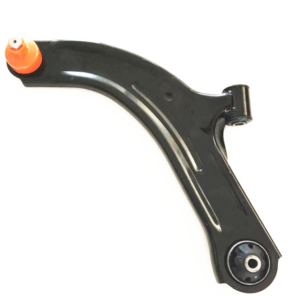
These three components form the backbone of a vehicle's suspension and steering integrity. Control arms connect the wheel hub to the chassis, allowing vertical movement while maintaining alignment. Tie rod ends (шарики рулевой тяги) transmit steering input to the wheels. Stabilizer links connect the anti-roll bar to the suspension, reducing body roll during cornering.
Because of Brazil's diverse road conditions—from smooth highways to unpaved rural roads—local manufacturers have engineered these parts to withstand extreme stress. Brazilian control arms often feature reinforced bushings and thicker gauge steel. Tie rod ends come with improved dust boot designs to keep out dirt and moisture. Stabilizer links are treated with anti-corrosion coatings that go beyond standard E-coating.
For importers, understanding these design nuances is critical. A standard part from another region might fail prematurely in markets with harsh winters or rough terrain. Brazilian suspension parts, designed for similar challenges, can offer a competitive edge in durability-focused segments.
2026 Market Trends and Opportunities for Global Importers
The global aftermarket is shifting toward digital procurement, and Brazilian suppliers are quickly adapting. B2B platforms specific to the auto parts industry are gaining traction, allowing buyers to compare quotes, verify certifications, and even conduct virtual factory tours. This transparency reduces the risk of fraud and speeds up the sourcing cycle.
Electric vehicles are another trend influencing suspension parts. While EV adoption in Brazil is still nascent, local manufacturers are already developing components for heavier EV platforms. Importers who secure these lines early can position themselves as go-to suppliers for the growing EV aftermarket.
Trade agreements are also opening doors. The EU-Mercosur trade deal, once ratified, will slash tariffs on auto parts between Europe and Brazil. For East Asian buyers, Brazil's participation in BRICS offers informal trade facilitation. These macro factors make 2026 a strategic entry point for new sourcing partnerships.
How to Identify a Reliable Aftermarket Auto Parts Supplier in Brazil?
Essential Certifications and Quality Standards to Verify
Before engaging any supplier, request copies of their ISO 9001:2015 or IATF 16949 certificates. Verify the certificate numbers on the issuing body's website. Brazilian suppliers may also hold INMETRO certification for certain product categories. Don't accept a certificate at face value—I once caught a supplier whose ISO certificate had expired two years prior, a fact they "forgot" to mention.
Для деталей подвески, SAE J491 (шаровые шарниры) and SAE J1930 (steering linkage) standards are relevant. Ask if the supplier conducts in-house testing for fatigue life, rubber aging, and salt spray resistance. Reputable manufacturers will share test reports without hesitation. Надежный car parts supplier will also have a documented quality management system that traces raw materials to finished products.
Step-by-Step Guide to Conducting Supplier Background Checks
Start with the basics: obtain the company's CNPJ (Brazilian tax ID) and check its status on the Receita Federal website. This confirms the business is legally registered and active. Следующий, search for the company on trade directories like B2Brazil or Sindipeças' member list. Look for how long they've been in operation—suppliers with less than three years of history warrant extra scrutiny.
Request at least three client references, preferably in your region. Contact them and ask about product consistency, communication, and after-sales support. During my first Brazilian sourcing project, I called a reference in Germany who revealed that the supplier had delayed shipments twice due to raw material shortages. This insight helped me negotiate better delivery terms.
Окончательно, arrange a video call that includes a live factory walk-through. Pay attention to machinery condition, worker safety, and organization. A cluttered, poorly lit shop floor often correlates with quality issues.
Evaluating Product Samples: What to Look for in Suspension Components
When samples arrive, perform a detailed visual inspection. Check control arm welds for cracks or porosity. Use a magnet to verify the steel type—some low-quality parts use cast iron instead of forged steel. For tie rod ends, manually articulate the ball stud; it should move smoothly with consistent resistance, no free play.
Measure critical dimensions with calipers. A 2mm deviation in bushing diameter can cause installation nightmares. I recall a batch of stabilizer links where the thread pitch was slightly off, making them impossible to torque properly. That discovery came from simply threading a nut by hand before placing the bulk order.
If possible, send samples to a local lab for material composition and hardness testing. The $300–$500 investment can prevent a $50,000 inventory write-off.
Red Flags and Common Scams When Sourcing from Brazil
Watch for prices that are 40% or more below the market average. Genuine manufacturers have tight margins; a too-good-to-be-true offer often signals counterfeit materials or a middleman posing as a factory. Another red flag is a supplier that refuses to provide a CNPJ or business license.
Scammers sometimes use fake websites mimicking real companies. Always cross-reference the physical address using Google Maps and look for signage. If the supplier demands 100% upfront payment via Western Union or cryptocurrency, walk away. Legitimate Brazilian exporters typically accept 30% deposit with the balance against shipping documents or a letter of credit.
Language can also be a barrier for scams. Some fraudsters exploit the fact that foreign buyers don't speak Portuguese. Hiring a local sourcing agent or using a platform with verified suppliers adds a layer of protection.
What Are the Quality Standards for Suspension Control Arms, Шарики для рулевой тяги, and Stabilizer Links?
OEM против. Aftermarket Parts: Material and Performance Comparison
OEM suspension parts are built to the vehicle manufacturer's exact specifications, often using proprietary alloys or heat treatments. Aftermarket parts, однако, can vary widely. High-quality Brazilian aftermarket parts frequently match or exceed OEM durability because they are designed for local roads that punish weak components. Например, an aftermarket control arm from a top Brazilian supplier might use SAE 1045 forged steel with a thicker cross-section than the OEM stamped part.
In contrast, budget aftermarket parts from some regions use lower-grade materials like A3 steel or even recycled scrap without proper sorting. These can fail catastrophically. When comparing, request material data sheets and check for certifications like SAE J403 for steel composition. A trustworthy car parts supplier will provide full traceability.
Testing and Compliance: ИСО, САЭ, and Other Certifications
ИСО 9001 sets the baseline for quality management, but for automotive parts, МАТФ 16949 is the gold standard. This certification includes specific requirements for defect prevention and supply chain management. Brazilian manufacturers exporting to Europe or North America often hold both. Кроме того, SAE standards define testing protocols: SAE J491 for ball joints specifies axial and radial strength tests, while SAE J1930 covers steering linkage durability.
Environmental testing is equally important. Salt spray tests (ASTM B117) should show no red rust after 200+ hours for coated parts. Rubber bushings must pass ozone aging tests to ensure they don't crack prematurely. Reputable suppliers will have in-house test labs or partner with accredited facilities like Bureau Veritas.
How to Spot Common Defects Before Placing a Bulk Order
Even with certifications, defects can slip through. Create a checklist for incoming inspection: 1) Visual: check for surface rust, paint runs, or weld spatter. 2) Dimensional: verify mounting hole positions and bushing press-fit tolerances. 3) Functional: for ball joints, measure the breakaway torque and rotational torque. 4) Упаковка: ensure parts are individually sealed with anti-rust paper.
In one inspection I conducted on a shipment of tie rod ends, 5% of the units had dust boots that were not properly seated. The supplier had changed rubber compound without updating the assembly process. Catching this before distribution saved my company from a wave of warranty claims. Always allocate time and budget for third-party pre-shipment inspection, especially for new supplier relationships.
How to Avoid Common Mistakes When Importing Auto Parts from Brazil?
Navigating Logistics and Customs: Documentation and Duties
Brazilian customs procedures are notoriously bureaucratic. For exports, the supplier must provide a Nota Fiscal, commercial invoice, packing list, and certificate of origin if claiming preferential tariffs. On the import side, misclassifying HS codes is a frequent and costly error. I learned this the hard way when a shipment of stabilizer links was classified under a generic "auto parts" code instead of the specific suspension part code, resulting in a 12% higher duty rate and a week-long customs hold.
Work with a freight forwarder that has experience in Brazil-Latin America or Brazil-Europe routes. Major ports like Santos can experience congestion during sugar and coffee harvest seasons. Plan buffer time into your inventory model. Также, consider using air freight for sample orders—the cost is higher, but the speed allows you to test the market before committing to a sea freight container.
Managing Currency Fluctuations and Payment Terms Effectively
The Brazilian Real (BRL) has historically swung 20–30% against the USD within a single year. To protect your margins, negotiate contracts in USD or EUR whenever possible. If the supplier insists on BRL pricing, use a forward contract with your bank to lock in the exchange rate for the expected payment date.
Payment terms are another lever. Standard terms are 30% deposit, 70% before shipment or against documents. For larger orders, a letter of credit (L/C.) adds security for both parties. Avoid T/T 100% in advance unless you have a long-established relationship. I once had a supplier delay shipment by two months after receiving full payment; we had no leverage to expedite. A L/C with a performance clause would have prevented that.
Overcoming Language and Communication Barriers with Suppliers
While many Brazilian export managers speak English, technical discussions can easily get lost in translation. Product specifications, tolerance sheets, and quality requirements should be documented in both English and Portuguese. Hiring a bilingual sourcing agent or translator for critical negotiations is a worthwhile investment.
Cultural nuances matter too. Brazilians value personal relationships and face-to-face meetings. A video call with casual conversation before diving into business builds trust. Be prepared for a more flexible approach to deadlines—clearly communicate your expectations and build in follow-up reminders. Using WhatsApp for daily communication is common and effective.
Тематическое исследование: Lessons Learned from Failed Import Attempts
В 2024, a colleague of mine imported a container of control arms from a new supplier in Minas Gerais. The price was 18% below his existing Chinese source, and samples were perfect. Однако, the production batch had inconsistent bushing hardness. The supplier had substituted a cheaper rubber compound without approval. The entire shipment was rejected by his customers, and he spent $15,000 on returns and lost sales.
The root cause? No third-party inspection was performed during production. He had relied solely on the initial samples. After that, he implemented a rule: every new supplier must undergo an on-site audit and in-line inspection for the first three orders. This case underscores that even in a quality-focused market like Brazil, oversight is non-negotiable.
Is Sourcing from Brazil Cost-Effective? A Comprehensive Cost-Benefit Analysis
Price Comparison: Brazil vs. Китай против. Other Emerging Markets
The unit price of Brazilian aftermarket parts typically falls between that of China and Eastern Europe. For a standard front lower control arm, Brazilian FOB prices range from $18 к $35, depending on the vehicle model and order volume. Comparable Chinese parts might cost $12–$25, while Indian parts are $15–$28. Однако, price alone is misleading without factoring in quality, долговечность, and logistics.
The table below summarizes key differences for a typical suspension component imported to the U.S. рынок:
| Factor | Бразилия | Китай | India |
|---|---|---|---|
| Avg. Control Arm FOB Price | $25 | $18 | $22 |
| Material Grade | Forged Steel SAE 1045 | Stamped Steel / Cast Iron | Forged Steel (mixed) |
| Salt Spray Test (часы) | 240+ | 120–180 | 150–200 |
| Sea Freight to US (дни) | 15–20 | 25–35 | 20–30 |
| Import Duty (НАС, typical) | 2.5% (GSP eligible) | 2.5% + 25% Раздел 301 possible | 2.5% (GSP eligible) |
| Quality Consistency | Высокий | Переменная | Середина |
Total Cost of Ownership: Перевозки, Тарифы, and Inventory Holding
Total cost of ownership (TCO) includes not just the FOB price but also freight, insurance, duties, brokerage, warehousing, and the cost of capital tied up in inventory. Because Brazil is closer to North America and Europe, shipping costs are often 20–30% lower than from China. For a 40-foot container from Santos to Miami, expect to pay around $2,800–$3,500 in 2026, compared to $4,000–$5,500 from Shanghai.
Faster transit also means lower safety stock requirements. If you can replenish in 25 days instead of 45, you reduce inventory holding costs by nearly half. For wholesalers with high turnover, this can be the deciding factor. Кроме того, Brazil benefits from the Generalized System of Preferences (GSP) with the U.S., eliminating duties on many auto parts, provided rules of origin are met.
Calculating ROI for Wholesalers and Distributors
Let's run a quick ROI scenario. Suppose you import 1,000 control arms from Brazil at $25 Брызги. Add $3 per unit for freight, insurance, and customs clearance. Landed cost is $28. You sell wholesale at $52. Gross profit per unit is $24, а 46% margin. If the same part from China lands at $24 but has a 3% return rate due to quality issues, your net margin may actually be lower after warranty costs and customer dissatisfaction.
In my own distribution business, switching a fast-moving SKU to a Brazilian supplier increased my gross margin by 6 percentage points, even though the unit price was higher. The drop in returns and the ability to market "Brazilian Heavy-Duty Quality" allowed for premium pricing.
Negotiation Tips to Maximize Your Profit Margins
Brazilian suppliers are often open to negotiation, especially on payment terms and volume commitments. Offer a 12-month rolling forecast in exchange for a 5–8% discount. Ask for FOB terms that include inland transportation to the port—some suppliers absorb this cost. If you're placing a mixed container, negotiate a consolidated price that reflects the higher-margin items subsidizing the lower-margin ones.
Building a personal relationship matters. I've secured better pricing by visiting the factory, sharing market insights, and even helping a supplier improve their packaging based on my market's feedback. Treat your car parts supplier as a partner, not just a vendor, and the financial benefits will follow.
What Are the Emerging Trends in the Brazil Aftermarket Auto Parts Industry?
Влияние электромобилей на спрос на детали подвески
EVs are heavier than their ICE counterparts, placing greater stress on suspension components. Control arms must handle higher static loads, and bushings wear faster. Brazilian manufacturers are responding by developing reinforced designs and using higher-grade materials. Some are already producing parts for popular EV models like the Nissan Leaf and Chevrolet Bolt, which have growing aftermarket demand globally.
While Brazil's own EV fleet is small, the export-oriented suppliers see the global trend and are investing in R&Д. For importers, sourcing EV-compatible suspension parts from Brazil now can create a first-mover advantage in a niche that will expand rapidly through 2030.
Digitalization and B2B E-commerce Platforms for Auto Parts
The pandemic accelerated digital adoption, and Brazilian auto parts suppliers are now listing products on platforms like Mercado Livre's B2B section, B2Brazil, and even Alibaba. Some have developed their own e-commerce portals with real-time inventory and pricing. This shift makes it easier for international buyers to discover and vet suppliers without traveling.
Digital tools also enable better quality assurance. Suppliers are using cloud-based inspection reports, live video streaming of production lines, and blockchain for supply chain traceability. As an importer, you can now monitor your order's progress from raw material to finished goods on your phone.
Sustainability and Green Manufacturing Practices in Brazil
Environmental consciousness is rising in Brazil's industrial sector. Many auto parts factories are ISO 14001 certified and use renewable energy sources like hydroelectric power. Scrap metal recycling rates are high, and some companies have introduced water-based painting processes to reduce VOC emissions.
For European buyers especially, these green practices align with corporate ESG goals and can be a marketing advantage. End consumers are increasingly willing to pay a premium for sustainably produced parts. Highlighting a supplier's environmental credentials can differentiate your brand in a crowded aftermarket.
Government Policies and Trade Agreements Affecting Auto Parts Import/Export
Brazil's Rota 2030 program provides tax incentives for companies investing in R&D and local production. While this primarily benefits OEMs, the aftermarket sector also gains from technology spillovers. The EU-Mercosur agreement, once implemented, will phase out tariffs on most auto parts, making Brazilian products even more competitive in Europe.
For East Asian importers, Brazil's participation in BRICS and bilateral agreements with countries like Japan and South Korea can simplify trade documentation. Keeping an eye on these policy shifts helps you anticipate cost changes and adjust sourcing strategies proactively.
What Tools and Resources Can Help You Find Verified Auto Parts Suppliers in Brazil?
Top B2B Platforms and Trade Directories for Brazilian Suppliers
B2Brazil is the leading platform for Brazilian exporters, featuring thousands of verified auto parts companies. Tradewheel and GlobalSources also have growing Brazilian sections. For suspension-specific parts, niche directories like Automecanika's online exhibitor list provide pre-vetted contacts. When using these platforms, filter by "Verified Supplier" and check for trade assurance coverage.
I've found that suppliers who maintain detailed profiles with product catalogs, certifications, and factory photos are more likely to be legitimate. Avoid those with generic stock images and vague descriptions. A serious car parts supplier invests time in their online presence.
Industry Associations and Trade Shows to Attend in 2026
Sindipeças (the Brazilian Auto Parts Industry Association) offers a member directory that is a goldmine for sourcing. Their website includes a search function by product category and export capability. ANFAVEA, while focused on vehicle manufacturers, also has supplier lists.
For in-person networking, Automec 2026 in São Paulo is the premier event. It attracts over 2,000 exhibitors and 100,000 visitors. Other notable shows include Expomecânica (Porto Alegre) and the Brazil Automotive Summit. Attending these events allows you to inspect products firsthand, meet decision-makers, and gauge the supplier's market reputation.
Recommended Inspection and Quality Control Service Providers
Third-party inspection is essential. Companies like SGS, Бюро Веритас, and TÜV Rheinland have offices in Brazil and offer pre-shipment inspection, factory audits, and lab testing. They can verify product specifications, упаковка, and loading processes. Costs range from $500 к $1,500 в день, a fraction of the potential loss from a bad shipment.
Local Brazilian inspection firms like Intertek Brasil and ALS Global also provide competitive services. When selecting an inspector, ensure they have automotive component experience. Provide them with a detailed inspection checklist tailored to suspension parts.
Useful Government and Export-Import Resources for Auto Parts
Apex-Brasil (Brazilian Trade and Investment Promotion Agency) offers free matchmaking services for foreign buyers. They can introduce you to pre-screened suppliers and provide market intelligence. The Receita Federal website is the official source for verifying CNPJ registrations and tax compliance.
For tariff and trade data, the Brazilian Ministry of Economy's Comex Stat portal provides detailed export statistics by product and destination. This helps you identify which suppliers are already shipping to your country and what volumes they handle. Окончательно, consult your own country's customs authority for import requirements specific to auto parts.
Brazil's aftermarket auto parts sector is positioned for significant growth in 2026, offering a compelling blend of quality, расходы, and logistical advantages. Whether you're a distributor looking to diversify your supply chain or a retailer seeking durable suspension components, now is the time to explore Brazilian sources. Start by attending a trade show, registering on B2B platforms, and reaching out to verified suppliers. For personalized guidance on finding the right car parts supplier , our team is here to help. Take the next step and request your first sample today.
Authoritative References
- Sindipeças – Sindicato Nacional da Indústria de Componentes para Veículos Automotores
- ANFAVEA – Associação Nacional dos Fabricantes de Veículos Automotores
- Apex-Brasil – Brazilian Trade and Investment Promotion Agency
- B2Brazil – Brazil’s B2B Marketplace
- Receita Federal – Brazilian Tax Authority (CNPJ verification)
- Automec – International Auto Parts Trade Show