


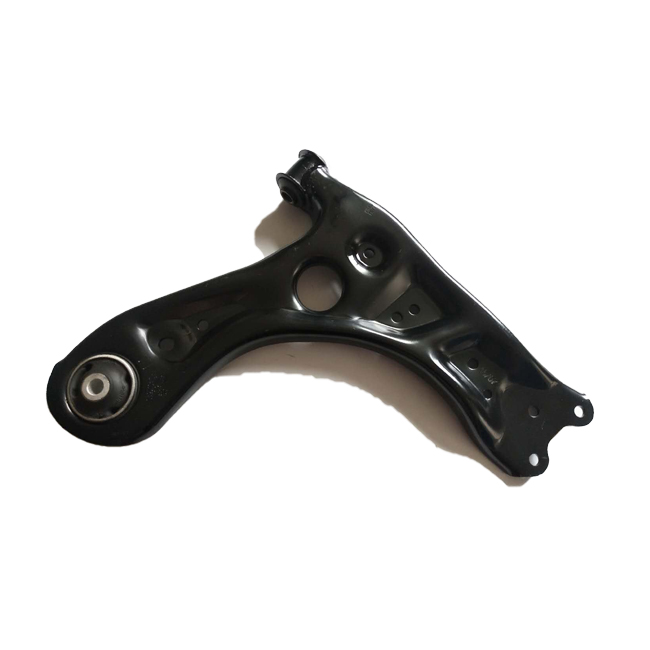
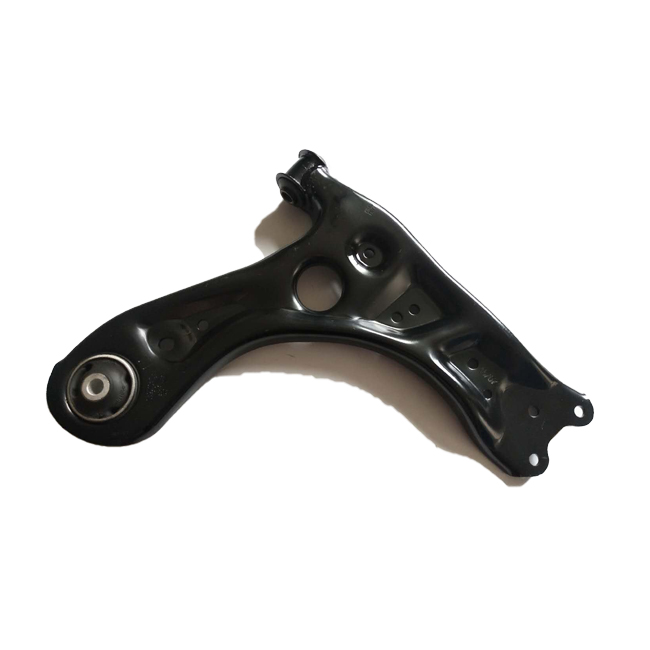

Абстрактный
Исследование автомобильной техники показывает, что рычаг управления не устанавливает прямого физического соединения с основным рулевым механизмом., например, рулевая рейка или коробка передач. Вместо, его связь является косвенной, но функционально целостной., опосредовано через общий компонент: поворотный кулак. Рычаг управления подвеской, важнейший элемент подвесной системы, крепится к поворотному кулаку через шаровой шарнир, диктуя вертикальное движение и ориентацию колеса. Одновременно, рулевая тяга рулевого управления также соединяется с поворотным кулаком, передача направленных сигналов водителя. Поэтому, Поворотный кулак действует как важнейший узел, в котором сходятся силы от систем подвески и рулевого управления.. Неисправность в рычаге управления, его втулки, или его шаровой шарнир может серьезно повлиять на положение и устойчивость колеса., что, в свою очередь, проявляется в значительных нарушениях рулевого управления., включая вибрацию колес, блуждание рулевого управления, и непоследовательное обращение. Этот анализ проясняет нюансы взаимодействия, подчеркивая, что целостность компонентов подвески необходима для правильной работы рулевого управления..
Ключевые выводы
- Рычаги управления соединяются с поворотным кулаком, не непосредственно к рулевой рейке.
- Поворотный кулак является общей ступицей как для подвески, так и для рулевого управления..
- Изношенные втулки или шаровые опоры рычагов подвески напрямую влияют на устойчивость рулевого управления..
- Понимание косвенной связи помогает диагностировать, связан ли рычаг управления с проблемой рулевого управления..
- Симптомы включают в себя люфт рулевого управления., вибрации, и стук при поворотах.
- Правильная центровка необходима после замены любого рычага подвески..
- Для точной диагностики необходим осмотр как подвески, так и деталей рулевого управления..
Оглавление
- Основополагающий вопрос: Подключается ли рычаг управления к рулевому управлению??
- Деконструкция внешней сборки: Ключевые игроки и их роли
- Поворотный кулак: Где подвеска встречается с рулевым управлением
- Как конструкция подвески влияет на рулевое соединение
- Пять характерных симптомов неисправности соединения рычага управления
- Диагностика источника: Рычаг управления, рулевая тяга, или что-то еще?
- Часто задаваемые вопросы (Часто задаваемые вопросы)
- Незаменимая ссылка
- Ссылки
Основополагающий вопрос: Подключается ли рычаг управления к рулевому управлению??
Чтобы подойти к запросу, "does control arm connect to the steering?", сначала нужно устоять перед искушением простого двоичного ответа. The mechanical reality within a vehicle's chassis is a system of profound interdependence, где функция одного компонента зависит от положения и целостности другого. В этом замысловатом танце частей, рычаг управления и система рулевого управления не являются прямыми партнерами, но их характеристики настолько тесно переплетены, что недостаток одного сразу влияет на другой.
Думайте об этом не как о прямом рукопожатии, а как о двух людях, держащихся за одну ручку.. Рычаг удерживает одну сторону, а рулевая тяга держит другую. Ручка, в этом случае, это поворотный кулак. Они не касаются друг друга, но движение и стабильность одного оказывают немедленное и неоспоримое влияние на другого, потому что они имеют общую точку опоры.. Основная задача рычага управления — управление движением колеса относительно кузова автомобиля., позволяя ему передвигаться вверх и вниз по неровностям. Задача рулевого управления — поворачивать колесо влево и вправо.. Оба этих важных действия должны выполняться на одном и том же компоненте — ступице колеса в сборе., который удерживается поворотным кулаком. Поэтому, пока рычаг подвески не крепится непосредственно к рулевой рейке или коробке передач, его соединение с поворотным кулаком делает его неотъемлемой частью уравнения рулевого управления..
Деконструкция внешней сборки: Ключевые игроки и их роли
Чтобы полностью понять отношения, сначала мы должны ознакомиться с составом персонажей, действующих в передней части вашего автомобиля.. Каждый компонент имеет определенное назначение, но никто не работает изолированно.
Рычаг управления подвеской
Это несущая тяга, которая соединяет раму вашего автомобиля с поворотным кулаком.. Его дизайн, often resembling a wishbone or "А" форма, позволяет ему поворачиваться, позволяя колесу поглощать удары о поверхность дороги (Исследовательская группа CarParts.com & Маккуистиан, 2025). Один конец рычага подвески крепится к шасси автомобиля с помощью гибких резиновых или полиуретановых втулок., которые поглощают вибрации и обеспечивают плавное вращение. Другой конец соединяется с поворотным кулаком через шаровой шарнир., сферический подшипник, допускающий как поворотное, так и вращательное движение.
Поворотный кулак (или шпиндель)
Это центральный персонаж нашей истории. Поворотный кулак отличается прочностью, обычно чугунный или алюминиевый компонент, который служит основной ступицей колеса в сборе.. Он удерживает ступичный подшипник и ступицу., на котором крепятся колесо и шина. Крайне важно, он обеспечивает точки крепления как для верхнего, так и для нижнего рычага подвески. (в конфигурации на двойных поперечных рычагах) и наконечник рулевой тяги. Его точная геометрия определяет углы установки колеса., такие как развал и кастор.
рулевая тяга
Рулевая тяга является прямым связующим звеном между системой рулевого управления и колесами.. Он состоит из внутреннего наконечника рулевой тяги., который соединяется с рулевой рейкой, и внешний наконечник рулевой тяги, часто называемый шаровым шарниром рулевой тяги, который соединяется с рычагом на поворотном кулаке. Когда вы поворачиваете руль, рулевая рейка толкает или тянет рулевую тягу, который, в свою очередь, поворачивает поворотный кулак, таким образом поворачивая колесо. Целостность шарового шарнира рулевой тяги имеет первостепенное значение для точного рулевого управления..
Звено стабилизатора
Хотя он не участвует непосредственно в основном рулевом управлении., звено стабилизатора (или ссылка на стабилизатор поперечной устойчивости) играет вспомогательную роль. Он соединяет рычаг подвески или стойку со стабилизатором поперечной устойчивости. (уровень власти). Его функция — противодействие крену кузова при прохождении поворотов., держать автомобиль более ровным. Сломанная тяга стабилизатора может привести к чрезмерному наклону и ощущению нестабильности в поворотах., что можно принять за проблему с рулевым управлением.
| Компонент | Основная функция | Подключение к поворотному кулаку | Подключение к шасси автомобиля |
|---|---|---|---|
| Рычаг управления подвеской | Управляет вертикальным движением колес; находит колесо | Через шаровой шарнир | Через втулки |
| Наконечник рулевой тяги | Передаёт рулевое управление для поворота колеса. | Через шаровой шарнир | Косвенно, через рулевую рейку |
| Поворотный кулак | Ступица для колеса; соединяет подвеску и рулевое управление | Н/Д (Это точка соединения) | Косвенно, через рычаги управления |
| Звено стабилизатора | Уменьшает крен кузова при прохождении поворотов | Часто к рычагу или стойке | Косвенно, через стабилизатор поперечной устойчивости |
Поворотный кулак: Где подвеска встречается с рулевым управлением
Поворотный кулак — это компонент, который обеспечивает непрямую связь между рычагом управления и рулевым управлением.. Это шедевр инженерной мысли, предназначенный для одновременного воздействия огромных сил в нескольких направлениях..
Представьте, что вы едете и на повороте попали в выбоину..
- Вертикальная сила: Удар от выбоины заставляет колесо подняться вверх.. Рычаг подвески поворачивается на втулках со стороны шасси и позволяет поворотному кулаку (и весь диск в сборе) двигаться вертикально, сжимаем пружину и амортизатор.
- Боковая сила: При прохождении поворота шина смещается в сторону.. Руки управления, за счет их жесткого соединения с суставом, прочно удерживайте колесо в сборе на месте, противодействуя этим боковым силам, сохранение пятна контакта шины с дорогой.
- Направленный ввод: В то же время, потому что ты на очереди, рулевая рейка сдвинула рулевую тягу, который удерживает поворотный кулак под определенным углом.
Поворотный кулак — это деталь, которая должна без сбоев компенсировать все эти воздействия.. Рычаг управления определяет плоскость, в которой поворотный кулак может перемещаться вверх и вниз.. Тяга рулевой тяги определяет угол, под которым поворотный кулак удерживается в этой плоскости.. Если шаровой шарнир или втулки рычага подвески изношены, сустав больше не удерживается надежно. Он может смещаться и раскачиваться, введение нежелательного движения. This "шпилька" означает, что точный угол, установленный рулевой тягой, больше не поддерживается постоянно, что приводит к ощущению расплывчатого или блуждающего рулевого управления. В этом суть того, почему неисправный компонент подвески напрямую создает проблемы с рулевым управлением.. The question "does control arm connect to the steering?" здесь есть ответ: он подключается к тому же компоненту, который система рулевого управления использует для управления транспортным средством..
Как конструкция подвески влияет на рулевое соединение
Конкретный тип системы подвески, которую использует ваш автомобиль, дополнительно определяет характер этой взаимосвязи.. Двумя наиболее распространенными конструкциями в современных автомобилях являются стойки МакФерсон и подвеска на двойных поперечных рычагах..
Подвеска МакФерсон
Это наиболее распространенная конструкция в современных легковых автомобилях из-за ее простоты., легкий вес, и экономическая эффективность (Исследовательская группа CarParts.com & Маккуистиан, 2025). В этой настройке, с каждой стороны имеется только один нижний рычаг. Верхней точкой крепления поворотного кулака является сама стойка., представляющий собой комбинацию амортизатора и винтовой пружины..
- Связь: Нижний рычаг подвески соединяется с нижней частью поворотного кулака.. Рулевая тяга соединяется с рычагом на поворотном кулаке., обычно располагается посередине вверху. Вся стойка в сборе крепится болтами к верхней части поворотного кулака..
- Последствия для рулевого управления: В системе стоек МакФерсон., нижний рычаг подвески и его шаровой шарнир несут полную ответственность за расположение нижней части колеса.. Любой износ втулок или шарового шарнира нижнего рычага будет иметь заметное влияние на рулевое управление., поскольку это может изменить угол развала и создать нестабильность у основания колеса в сборе..
Подвеска на двойных поперечных рычагах
Часто встречается в спортивных автомобилях., грузовики, и внедорожники, в этой конструкции используются два рычага управления с каждой стороны.: верхняя и нижняя рука. Каждый по форме напоминает поперечный рычаг., дав подвеске свое имя.
- Связь: Нижний рычаг соединяется с нижней частью поворотного кулака., и верхний рычаг управления соединяется с верхним. Это создает очень стабильную, коробчатая конструкция, надежно удерживающая сустав. Тяга рулевая соединяется с рычагом на поворотном кулаке, аналогично установке Макферсона.
- Последствия для рулевого управления: Конструкция на двойных поперечных рычагах обеспечивает превосходный контроль над геометрией колеса во время его движения.. Потому что сустав удерживается как сверху, так и снизу., он более устойчив к изменениям развала во время поворотов и торможения. Однако, это также означает, что есть больше компонентов, которые могут изнашиваться. Изношенный шаровой шарнир на верхнем или нижнем рычаге может привести к люфту и отрицательно повлиять на точность рулевого управления..
| Особенность | Подвеска МакФерсон | Подвеска на двойных поперечных рычагах |
|---|---|---|
| Количество рычагов управления | Один (ниже) на сторону | Два (верхний и нижний) на сторону |
| Ключевые компоненты | Нижний рычаг управления, стойка в сборе, Эти пол | Верхняя рука, нижняя часть руки, удар/весна, Эти пол |
| Поддержка поворотного кулака | Поддерживается снизу рычагом управления, сверху по стойке | Поддерживается снизу и сверху рычагами управления. |
| Общее приложение | Большинство легковых автомобилей, кроссоверы | Грузовики, внедорожники, мощные автомобили |
| Влияние износа на рулевое управление | Износ единственного нижнего рычага оказывает значительное влияние | Износ рычага или шаровых шарниров влияет на точность |
Пять характерных симптомов неисправности соединения рычага управления
При нарушении целостности соединения между рычагом подвески и поворотным кулаком, симптомы часто ощущаются непосредственно через рулевое колесо. Распознавание этих признаков является первым шагом на пути к правильному диагнозу..
1. Рулевое управление Блуждание или неопределенность
Это, пожалуй, самый прямой симптом. Вы постоянно вносите небольшие изменения в рулевое колесо, чтобы машина ехала прямолинейно.. The vehicle seems to "бродить" или отклониться в сторону без участия (GDST, 2023). Это происходит потому, что изношенные втулки рычага подвески или неисправный шаровой шарнир позволяют поворотному кулаку слегка смещаться., изменение углов установки колес на ходу. Рулевое управление все еще пытается удерживать колесо прямо., но фундамент, к которому он подключен, нестабилен.
2. Вибрации через рулевое колесо
Ощущение вибрации или тряски в рулевом колесе, особенно на определенных скоростях, может быть явным индикатором проблемы. При износе шаровой опоры или втулки, это создает дисбаланс в сборке колеса. Поскольку колесо вращается со скоростью, этот дисбаланс приводит к вибрации, которая распространяется вверх через поворотный кулак., рулевая тяга, рулевая рейка, и наконец к твоим рукам на руле. Это часто более выражено при ускорении или при легком повороте..
3. Лязг или хлопки
Звуковая обратная связь является распространенным признаком неисправного компонента.. You may hear a distinct "компоновка" или "поп" при проезде неровностей, делать крутые повороты, или во время торможения и ускорения (ТГК, 2024). Этот звук представляет собой шум контакта металла с металлом, когда изношенный шаровой шарнир смещается в гнезде или когда рычаг подвески слишком сильно перемещается из-за неисправности втулок.. Часто кажется, что звук исходит из одного угла автомобиля., что может помочь точно определить местонахождение неисправной детали.
4. Неровная одежда шин
Визуальный осмотр ваших шин может многое рассказать о состоянии вашей подвески.. Когда рычаг управления выходит из строя, он больше не может удерживать колесо под правильным углом установки. Это часто приводит к наклону колеса внутрь или наружу., состояние, известное как отрицательный или положительный развал. Из-за этого наклона один край шины изнашивается гораздо быстрее, чем остальные.. Если вы заметили чрезмерный износ внутреннего или внешнего плеча шины, это явный признак того, что компоненты подвески, включая рычаг управления, неправильно держим руль.
5. Плохая или непостоянная реакция рулевого управления
Автомобиль может стать менее отзывчивым или непредсказуемым при повороте руля.. Между вашим вводом и реакцией автомобиля может возникнуть небольшая задержка., или автомобиль может унести в сторону во время торможения (явление, известное как тяга тормоза). This occurs because the "шпилька" Изношенные компоненты означают, что рулевое управление на мгновение теряется, поскольку оно компенсирует провисание до того, как колесо фактически начнет вращаться.. Несогласованность возникает потому, что величина люфта может меняться в зависимости от сил, действующих на подвеску в любой данный момент..
Диагностика источника: Рычаг управления, рулевая тяга, или что-то еще?
Потому что симптомы плохого рычага управления, плохой шаровой шарнир рулевой тяги, и плохой ступичный подшипник может перекрыться, необходим тщательный осмотр во избежание ошибочного диагноза и ненужного ремонта..
Профессиональный механик обычно выполняет следующие проверки::
- Визуальный осмотр: Автомобиль поднят на подъемнике. Механик проверит наличие порванных или треснувших резиновых втулок на рычаге подвески., повреждены пыльники на шаровых опорах, и любые признаки физического повреждения или изгиба на самих руках..
- Физические манипуляции (The "Pry and Shake" Тест): Это окончательное испытание. Проверка шаровых опор рычагов подвески, механик будет использовать длинную монтировку, чтобы оказать давление между рычагом управления и поворотным кулаком. Любое видимое движение или люфт в суставе указывает на то, что он изношен и требует замены.. Проверка концов рулевых тяг, механик возьмет колесо за 3 и 9 часовые позиции и попытайтесь покачать его из стороны в сторону. Любой люфт или лязг указывают на изношенный наконечник рулевой тяги.. Чтобы проверить наличие неисправного подшипника колеса или втулок рычага подвески, они схватятся за руль 12 и 6 часовые позиции и попытайтесь раскачать его сверху вниз.
Важно правильно определить источник проблемы. Замена наконечника рулевой тяги, когда реальная проблема заключается в нижнем шаровом шарнире, не устранит люфт рулевого управления.. Вот почему так ценна комплексная предварительная проверка.. Это также подчеркивает взаимозависимость этих частей.; часто, когда один компонент выходит из строя, это создает дополнительную нагрузку на соседей, ускоряя их износ. По этой причине, часто рекомендуется заменять связанные компоненты парами (например, левый и правый нижние рычаги) поддерживать сбалансированное обращение и избегать повторного посещения магазина (Дельтона Тайр & Автоцентр, 2023). При поиске запчастей, выбирая качественный рычаги управления вторичного рынка может обеспечить долговечность и правильную посадку, восстановление первоначальных ходовых качеств автомобиля.
Часто задаваемые вопросы (Часто задаваемые вопросы)
1. Может ли неисправный рычаг стать причиной полной потери рулевого управления?? В крайних случаях, да. Если шаровая опора полностью отделилась от поворотного кулака, колесо больше не будет надежно прикреплено к автомобилю. Это может привести к разрушению колеса внутрь или наружу., что приводит к немедленной и полной потере контроля над автомобилем с этой стороны.. Это очень опасная ситуация, и именно поэтому так важно устранить такие симптомы, как лязг и сильное отклонение рулевого управления..
2. Нужна ли регулировка углов установки колес после замены рычага подвески?? Абсолютно. Рычаг управления является основным компонентом, который определяет углы установки колес.. Его замена почти наверняка изменит текущие настройки выравнивания. (Он моторизован, 2022). Вождение без правильной регулировки после замены приведет к ухудшению управляемости., тяга рулевого управления, и быстрый, неравномерный износ шин. Выравнивание всех четырех колес всегда является последним шагом в правильной процедуре замены рычага управления..
3. В чем разница между рычагом подвески и рулевой тягой? Рычаг управления — это компонент подвески, который управляет движением колеса вверх и вниз и крепит его к раме.. Тяга рулевого управления — это компонент рулевого управления, который соединяет рулевую рейку с поворотным кулаком и позволяет поворачивать колесо влево и вправо.. Они выполняют разные функции, но соединяются с одной центральной частью — поворотным кулаком..
4. Как долго обычно служат рычаги управления? Срок службы самого рычага управления очень долгий., так как это цельный кусок металла. Однако, изнашиваемые детали — втулки и шаровые опоры — обычно выходят из строя.. Они могут длиться где угодно от 60,000 к 90,000 мили (о 96,000 к 145,000 километры), но это может быть значительно сокращено в тяжелых дорожных условиях, воздействия, и факторы окружающей среды (ТГК, 2024).
5. Могу ли я заменить только втулки или шаровую опору вместо всего рычага?? На многих современных автомобилях, шаровые опоры и втулки интегрированы в рычаг и не продаются отдельно., сменные части. В этих случаях, вам необходимо приобрести полный рычаг управления в сборе. Даже если они доступны отдельно, труд, необходимый для выпрессовки старых втулок и запрессовки новых, часто может сделать более экономичной замену всего узла, который поставляется со всеми предварительно установленными новыми компонентами.
Незаменимая ссылка
Возвращаясь к нашему центральному вопросу: соединяется ли рычаг управления с рулевым управлением??— теперь мы можем сформулировать более сложный ответ. Нет, он не подключается напрямую к рулевой рейке или колонке. Однако, его соединение с поворотным кулаком, тот самый компонент, который поворачивается системой рулевого управления, чтобы направить автомобиль, делает свою функцию неотделимой от функции рулевого управления.. Рычаг управления обеспечивает стабильную, предсказуемая основа, на которой действует система рулевого управления. Без своей целостности, рулевое управление становится вопросом приближения, а не точности. Это понимание меняет нашу точку зрения от рассмотрения совокупности отдельных частей к оценке целостной и взаимозависимой системы., где стабильность подвески является основой безопасного и отзывчивого управления.
Ссылки
Исследовательская группа CarParts.com, & Маккуистиан, р. (2025, Маршировать 20). Что делают контрольные рычаги? CarParts.com.
Дельтона Тайр & Автоцентр. (2023, Август 8). Подвеска упрощена: Все, что вам нужно знать о контрольных рычагах. https://www.deltonatire.com/Blog/ArticleID/33/Suspension-Simplified-Everything-You-Need-to-Know-About-Control-Arms
GDST. (2023, Июль 7). Контрольные рычаги 101: Все, что вам нужно знать для стабильной езды. ГДСТ Автозапчасти. https://gdstauto.com/understand-control-arms-knowledge/
Высшие подвески. (2022, ноябрь 18). Руководство по различным видам рычагов управления. https://www.supremesuspensions.com/blogs/news/a-guide-to-the-different-kinds-of-control-arms
ТГК. (2024, январь 19). Основное руководство по рычагам подвески транспортных средств.. Тайваньская компания Golden Quality Motor Technology Co.. https://tgq-auto.com/the-essential-guide-to-control-arms-in-vehicle-suspensions/
Он моторизован. (2022, ноябрь 29). Полное руководство по рычагам управления автомобилем.