



Abstrak
Bilangan lengan kawalan di dalam kenderaan bukan kuantiti tetap tetapi bergantung kepada senibina sistem penggantungan tertentu yang digunakan oleh pengilang. Pilihan reka bentuk ini mewakili keseimbangan yang disengajakan antara objektif prestasi, kos pembuatan, dan kekangan pembungkusan. Walaupun banyak kereta penumpang biasa menggunakan konfigurasi mudah dua atau empat lengan kawalan, Terutama dengan Macpherson Strut atau setups Double-Wishbone Asas, kiraan dapat meningkat dengan ketara. Kenderaan berprestasi tinggi dan mewah sering mengamalkan geometri penggantungan multi-pautan yang kompleks, yang mungkin mempunyai lima atau lebih pautan individu setiap sudut, berjumlah lapan atau lebih untuk gandar tunggal. Setiap pautan ini berfungsi sebagai lengan kawalan khusus, dengan teliti direkayasa untuk menguruskan pergerakan roda tertentu, seperti camber, caster, dan kaki, sepanjang perjalanan penggantungan. Memahami kebolehubahan ini adalah asas untuk memahami dinamik kenderaan, mendiagnosis kesalahan penggantungan, dan membuat keputusan yang tepat mengenai pembaikan dan peningkatan prestasi. Siasatan ke atas kuantiti lengan kawalan sehingga membuka penjelajahan yang lebih mendalam ke dalam falsafah kejuruteraan automotif.
Takeaways utama
- Bilangan lengan kawalan berbeza dari dua hingga lebih lapan, Bergantung pada reka bentuk penggantungan.
- Struts Macpherson Gunakan satu lengan kawalan yang lebih rendah setiap roda, sementara tulang belakang berganda menggunakan dua.
- Penggantungan pelbagai pautan Gunakan tiga atau lebih lengan setiap roda untuk kawalan pengendalian yang tepat.
- Mengetahui berapa banyak senjata kawalan kereta yang membantu dalam mendiagnosis masalah penggantungan.
- Lengan kawalan yang dipakai dapat menyebabkan bunyi bising, stereng yang lemah, dan memakai tayar yang tidak sekata.
- Suspensi depan dan belakang boleh mempunyai konfigurasi lengan kawalan yang sama sekali berbeza.
- Penggantian lengan kawalan sering memerlukan penjajaran roda profesional berikutnya.
Jadual Kandungan
- Soalan asas: Berapa banyak senjata kawalan yang dimiliki oleh kereta?
- Membina semula lengan kawalan: Menyelam dalam anatomi
- Kisah dua sistem: MacPherson Strut vs. Double Wishbone
- Meneroka Geometri Penggantungan Lanjutan: Sistem multi-pautan
- Pelakon sokongan: Tali batang, Pautan penstabil, dan ensemble penggantungan penuh
- Apabila keadaan menjadi salah: Mendiagnosis lengan kawalan yang gagal
- Proses pembaikan dan penggantian: Perspektif mekanik
- Di luar asas -asas: Lengan kawalan prestasi dan selepas pasaran
- Konteks yang lebih luas: Mengawal lengan dalam jenis kenderaan yang berbeza
- Masa depan penggantungan: Sistem aktif dan bahan pintar
- Soalan yang sering ditanya (Soalan Lazim)
- Kesimpulan
- Rujukan
Soalan asas: Berapa banyak senjata kawalan yang dimiliki oleh kereta?
Ini adalah soalan yang kelihatan, di permukaannya, untuk menuntut yang sederhana, Jawapan berangka. Namun, to ask "how many control arms does a car have?" adalah untuk memulakan perjalanan ke tengah -tengah kejuruteraan automotif dan falsafah reka bentuk. Tidak ada nombor tunggal yang berlaku untuk semua kenderaan, dengan cara yang sama bahawa tidak ada jawapan tunggal untuk apa yang menjadikan lukisan cantik. Kuantiti lengan kawalan adalah akibat langsung dari tujuan yang dimaksudkan kenderaan, aspirasi prestasinya, dan realiti ekonomi pengeluarannya. Jawapan untuk komuter bandar yang rendah hati akan sangat berbeza dengan kereta sukan yang berfokus pada trek, Dan pemahaman mengapa kes itu menunjukkan banyak tentang tarian yang rumit antara fizik dan fungsi yang mentakrifkan watak kereta.
Menghilangkan mitos satu nombor
Marilah kita terlebih dahulu mengetepikan idea kiraan sejagat. Jawapan yang paling mudah, yang digunakan untuk sejumlah besar kenderaan pasaran massa, adalah empat. Ini biasanya melibatkan satu lengan kawalan yang lebih rendah untuk setiap dua roda depan dan satu lengan kawalan yang lebih rendah untuk setiap dua roda belakang. Walau bagaimanapun, ini adalah penyimpangan kasar. Banyak kereta pacuan roda depan dengan penggantungan belakang yang lebih mudah mungkin hanya mempunyai dua lengan kawalan secara total untuk setiap roda depan. Sebaliknya, Sedan berprestasi tinggi moden dari pengeluar Jerman mungkin mempunyai lima lengan yang berbeza, atau pautan, mengawal gerakan roda belakang tunggal. Dalam kes ini, Kereta boleh mempunyai sepuluh lengan kawalan di gandar belakang sahaja, ditambah lengan di gandar depan, Membawa jumlahnya kepada dua belas atau lebih. Soalannya, oleh itu, is not "how many," tetapi sebaliknya, "what kind of suspension system does the car use, Dan apakah sistem itu berusaha untuk mencapai?"
Konfigurasi biasa: Dua atau empat lengan kawalan
Untuk sebahagian besar dunia automotif, Jawapannya berkisar sekitar dua atau empat. Mari kita pertimbangkan jenis penggantungan yang paling biasa dalam kereta moden: The Macpherson Strut, yang digunakan untuk penggantungan depan pada majoriti kenderaan di jalan raya hari ini. Reka bentuk ini elegan dalam kesederhanaan dan keberkesanan kosnya. It combines a shock absorber and a coil spring into a single "strut" unit dan hanya memerlukan satu, biasanya berbentuk L atau berbentuk A, lengan kawalan bawah untuk mencari bahagian bawah hab roda (J.D.. Kuasa, 2021). Bahagian atas hab terletak oleh strut itu sendiri, yang berputar di gunung atasnya. Jadi, untuk kereta dengan penggantungan depan Macpherson Strut, anda akan menemui dua lengan kawalan yang lebih rendah di bahagian depan.
Sekiranya kereta ini mempunyai penggantungan belakang yang mudah, seperti rasuk kilasan (biasa dalam kereta pacuan roda depan ekonomi), ia mungkin tidak mempunyai lengan kawalan tradisional di belakang sama sekali. Dalam senario ini, kereta mempunyai dua lengan kawalan. Jika, Walau bagaimanapun, kereta itu mempunyai penggantungan belakang bebas, Ia mungkin menggunakan persediaan strut Macpherson yang sama atau reka bentuk berbilang pautan yang mudah, sering menambahkan dua lagi lengan kawalan ke belakang, membawa jumlah kepada konfigurasi yang sangat biasa dengan empat. Persediaan empat lengan ini memberikan keseimbangan perjalanan yang baik, pengendalian yang boleh diramalkan, dan kos pembuatan yang berpatutan, Menjadikannya sebagai landasan utama industri.
Mengapa kiraan berbeza: Soal reka bentuk penggantungan
Variasi bilangan lengan kawalan adalah gambaran langsung dari kerumitan dan matlamat reka bentuk penggantungan. Tugas asas sistem penggantungan adalah untuk menguruskan orientasi roda relatif ke jalan dan badan kereta. Kebimbangan utama jurutera adalah sudut roda, Dikenali sebagai Camber, caster, dan kaki.
- Camber adalah kecondongan menegak roda. Camber negatif (bahagian atas roda condong ke dalam) dapat meningkatkan cengkaman semasa menikam.
- Caster adalah kecondongan ke hadapan atau mundur dari paksi stereng. Caster Positif membantu dengan kestabilan stereng dan pengusiran diri.
- Kaki adalah arah roda yang ditunjuk antara satu sama lain, seperti melihat ke bawah kaki anda sendiri. "Toe-in" bermaksud mereka menunjukkan sedikit ke dalam.
Mudah, Sistem lengan kawalan tunggal seperti Macpherson Strut menawarkan kawalan terhad ke sudut-sudut ini apabila roda bergerak ke atas dan ke bawah. Untuk mendapatkan kawalan yang lebih tepat, Jurutera mesti menambah lebih banyak mata mencari. Di sinilah sistem double-wishbone dan multi-link dimainkan, Dan dengan mereka, peningkatan jumlah lengan kawalan. Setiap lengan tambahan, atau pautan, memberikan satu lagi titik kekangan, Membenarkan jurutera untuk menentukan dengan tepat bagaimana camber roda, caster, dan kaki berubah semasa menikam dan ketika memukul lebam. Ketepatan ini adalah apa yang memisahkan pengendalian sedan keluarga dari supercar.
Membina semula lengan kawalan: Menyelam dalam anatomi
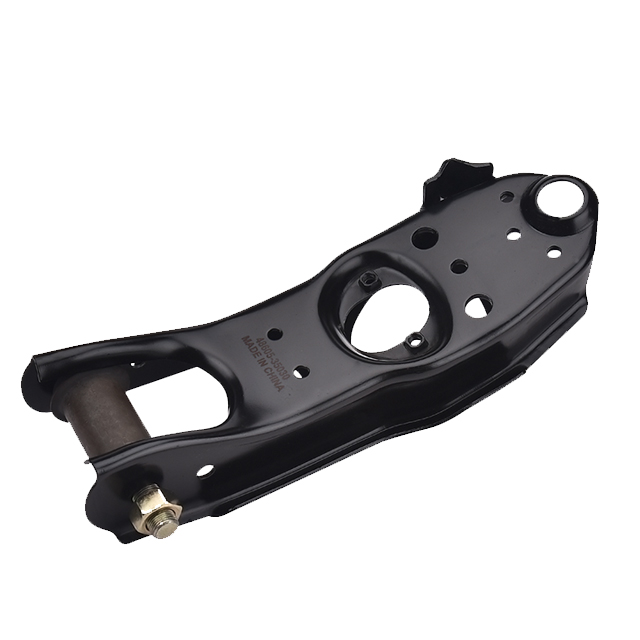
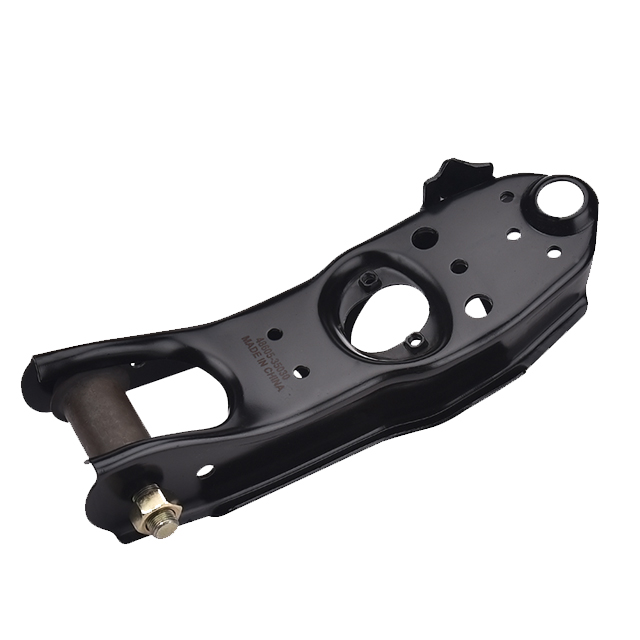
Sebelum kita dapat menghargai perbezaan antara sistem penggantungan, Kita mesti terlebih dahulu mengembangkan pemahaman intim mengenai lengan kawalan itu sendiri. Untuk memikirkannya hanya sebagai bar logam adalah kehilangan keanggunan dan tujuannya. Lengan kawalan penggantungan adalah pautan berengsel dalam sistem penggantungan, Ahli kritikal yang menghubungkan casis atau subframe kenderaan ke buku panduan stereng atau pembawa hab, yang memegang roda. Ia bertindak seperti tuas, membenarkan roda berputar secara menegak, menyerap ketidaksempurnaan permukaan jalan sambil mengekalkan kedudukan yang betul roda. Marilah kita bayangkan ia sebagai anggota badan dalam anatomi mekanikal kereta; Peranannya adalah asas seperti femur di kaki manusia.
Apa itu lengan kawalan penggantungan, Betul?
Pada terasnya, Lengan kawalan adalah komponen tegar dengan sekurang -kurangnya dua mata pivot. Satu titik, biasanya menggunakan getah fleksibel atau poliuretana, melekat pada bingkai kenderaan. Sambungan ini membolehkan lengan berayun ke atas dan ke bawah. Titik lain, yang melekat pada buku jari stereng, hampir selalu menjadi bola bersama. Bola bersama bertindak seperti galas sfera, Sama dengan bahu manusia atau sendi pinggul, Membenarkan pemasangan roda bukan sahaja bergerak ke atas dan ke bawah dengan lengan tetapi juga untuk menghidupkan kiri dan kanan untuk stereng.
Bentuk lengan ditentukan oleh kekuatan yang mesti dikendalikan. The most common shape is the "A-arm" atau "wishbone," yang mempunyai asas yang luas di bingkai dengan dua bushings dan penaper ke satu titik untuk sendi bola di roda. Bentuk segitiga ini sememangnya kuat dan sangat baik untuk menentang kekuatan depan dan pasukan ke sisi yang mengalami roda semasa pecutan, brek, dan menikam. Reka bentuk lain wujud, such as the "I-arm" (pautan lurus) or the "L-arm" (digunakan dalam banyak sistem strut Macpherson), Tetapi prinsip pautan tegar dengan pivot tetap sama.
Komponen teras: Bushings dan Ball Sendi
Jiwa lengan kawalan tidak terletak di badan logamnya, Tetapi dalam titik sambungannya: bushings dan bola bersama. Ini adalah komponen yang haus dan sering menjadi alasan lengan kawalan perlu diganti.
Bushings: Ini adalah wira senyap penggantungan. Bushing lengan kawalan biasanya silinder getah atau poliuretana yang terbungkus dalam lengan logam, ditekan ke titik pelekap lengan yang menyambung ke bingkai kereta. Tugas mereka dua kali. Pertama, mereka mesti cukup teguh untuk mencari lengan dan mencegah pergerakan yang tidak diingini, memastikan pengendalian yang stabil. Kedua, mereka mesti cukup fleksibel untuk menyerap bunyi, getaran, dan kekasaran (NVH) Dari jalan, menghalangnya daripada dihantar ke kabin. Duality ini adalah perdagangan kejuruteraan yang berterusan. Kereta perlumbaan menggunakan bushings yang sangat keras untuk ketepatan dengan mengorbankan keselesaan, Walaupun kereta mewah menggunakan bushings yang lebih lembut untuk perjalanan mewah, kadang -kadang dengan mengorbankan pengendalian tajam.
Sendi Bola: Sekiranya sesendal adalah tulang rawan, sendi bola adalah sendi yang menyatakan. Ia terdiri daripada stud bola logam yang tertutup di soket logam, dengan pelincir dan boot getah pelindung. Reka bentuk ini membolehkan lancar, putaran pelbagai paksi. Sendi bola di lengan kawalan membolehkan buku jari stereng berputar untuk stereng sementara juga menampung arka naik dan turun dari pergerakan lengan kawalan. Beberapa lengan kawalan mempunyai bola bersama bersepadu dan tidak boleh diservis, sementara yang lain mempunyai sendi bola yang boleh diganti yang boleh ditekan atau digerakkan.
Bahan dan Pembuatan: Dari keluli dicap ke aluminium palsu
Proses bahan dan pembuatan lengan kawalan bercakap mengenai keutamaan reka bentuk kenderaan.
- Stamped Steel: Ini adalah kaedah yang paling biasa dan kos efektif. Dua atau lebih kepingan keluli lembaran dicap ke dalam bentuk U dan kemudian dikimpal bersama untuk membentuk kosong, lengan yang kuat. Ini adalah kerja keras industri automotif, dijumpai berjuta -juta kereta sehari -hari.
- Besi tuang: Untuk aplikasi tugas berat seperti trak dan beberapa kereta penumpang yang lebih tua, lengan kawalan sering dibuat dari besi tuang. Kaedah ini menghasilkan komponen yang sangat kuat dan tahan lama, Tetapi ia juga sangat berat. Berat yang tidak disokong oleh mata air (berat badan yang tidak jelas) Adakah musuh pengendalian dan kualiti menunggang yang baik, Oleh itu, jurutera cuba meminimumkannya.
- Aluminium palsu: Ini adalah pilihan premium. Penempaan melibatkan membentuk billet pepejal aloi aluminium di bawah tekanan yang besar. Proses ini menyelaraskan struktur bijirin logam, mengakibatkan komponen yang lebih kuat dan lebih ringan daripada yang sama atau setara dicap (Mazzella, 2023). Anda akan mendapati lengan kawalan aluminium palsu pada kereta prestasi dan kenderaan mewah di mana mengurangkan berat badan yang tidak jelas dan peningkatan kekuatan adalah yang paling utama. Yang rumit, Pandangan yang diukir dari penggantungan multi-pautan aluminium yang dipalsukan selalunya merupakan karya seni perindustrian.
| Ciri | Lengan kawalan keluli dicap | Lengan kawalan besi tuang | Lengan kawalan aluminium palsu |
|---|---|---|---|
| Proses pembuatan | Logam lembaran setem dan kimpalan | Menuangkan besi cair ke dalam acuan | Membentuk billet aluminium pepejal di bawah tekanan |
| Berat | Sederhana | Berat | Cahaya |
| Kekuatan | Baik | Sangat tinggi | Cemerlang (Nisbah kekuatan-ke-berat yang tinggi) |
| Kos | Rendah | Sederhana | Tinggi |
| Permohonan biasa | Kereta penumpang arus perdana, Crossovers | Trak, SUV, Kenderaan tugas berat | Kereta prestasi, Kenderaan mewah, Evs |
| Rintangan kakisan | Miskin (Memerlukan salutan pelindung) | Sederhana | Cemerlang |
Kisah dua sistem: MacPherson Strut vs. Double Wishbone
Untuk benar -benar memahami mengapa bilangan lengan kawalan berbeza, Kita mesti meneliti dua reka bentuk penggantungan bebas yang paling asas: Macpherson Strut dan Double Wishbone. Mereka mewakili dua jawapan yang berbeza untuk masalah geometri yang sama, masing -masing dengan set kelebihan dan kompromi yang berbeza. Memikirkan perbezaan mereka membantu kita memahami keutamaan kereta yang mereka pakai.
The Macpherson Strut: Kesederhanaan dan kecekapan
Dibangunkan oleh Earl S. Macpherson pada akhir 1940 -an, Reka bentuk ini telah menjadi sistem penggantungan depan yang dominan untuk kenderaan yang dihasilkan secara besar-besaran kerana kesederhanaan yang cemerlang. Seperti yang kita sentuh sebelum ini, ia menggunakan lengan kawalan tunggal yang lebih rendah untuk mencari bahagian bawah hab roda. Titik locating atas adalah gunung atas pemasangan strut itu sendiri, yang melekat terus ke struktur badan kereta.
Genius reka bentuk ini terletak pada apa yang dihapuskan. Ia menghilangkan keperluan untuk lengan kawalan atas, menjimatkan kos, berat badan, dan, secara penting, ruang. Sifat padat Macpherson Strut membolehkan lebih banyak ruang di teluk enjin, Kelebihan kritikal untuk enjin yang dipasang melintang yang terdapat di kebanyakan kereta pacuan roda depan. Walau bagaimanapun, Kesederhanaan ini dilengkapi dengan kompromi kinematik. Apabila penggantungan memampatkan, sudut strut relatif terhadap perubahan badan, yang seterusnya menyebabkan sudut camber roda berubah. Perubahan ini tidak selalunya sesuai untuk memaksimumkan tampalan sentuhan tayar dengan jalan semasa selekoh keras, yang boleh mengehadkan cengkaman muktamad.
The Double Wishbone: Standard Emas untuk Prestasi
Penggantungan double-wishbone, juga dikenali sebagai penggantungan A-arm, mendahului tupang MacPherson dan kekal sebagai pilihan pilihan untuk kenderaan yang prestasinya menjadi keutamaan. Seperti namanya, it uses two "wishbone" atau "A-shaped" lengan kawalan untuk mencari hab roda—satu lengan atas dan satu lengan bawah. Buku jari stereng disambungkan ke hujung luar kedua-dua lengan ini melalui sambungan bebola.
Persediaan dwi-lengan ini mencipta sistem yang lebih stabil dan boleh dikawal. Dengan berhati-hati memilih panjang dan titik pangsi lengan atas dan bawah, jurutera boleh menentukan pergerakan roda dengan tepat. Lazimnya, lengan kawalan atas lebih pendek daripada lengan bawah. Helah geometri mudah ini menyebabkan bahagian atas roda ditarik ke dalam apabila ampaian memampat (semasa selekoh, contohnya), creating what is called "negative camber gain." Ini membantu mengekalkan bunga tayar rata pada permukaan jalan walaupun badan kereta bergolek, memaksimumkan cengkaman dan kestabilan apabila ia amat diperlukan. Kawalan unggul ke atas geometri roda inilah sebabnya anda akan menemui penggantungan double-wishbone pada Formula 1 kereta, kereta sport mewah, dan banyak sedan dan SUV mewah.
Analisis Perbandingan: Which System is "Better"?
The question of which system is "better" adalah sesat; the correct question is "better for what purpose?" Topang MacPherson adalah jelas lebih baik untuk mencipta harga yang berpatutan, luas, dan kereta keluarga yang kompeten. Sistem double-wishbone adalah jelas lebih baik untuk mencipta kenderaan dengan tahap cengkaman mekanikal tertinggi dan ketepatan pengendalian yang mungkin.. Ia adalah pertukaran kejuruteraan klasik antara keberkesanan kos dan prestasi muktamad.
Jadual di bawah meringkaskan perbezaan utama, membantu menjelaskan sebab pengeluar mungkin memilih satu daripada yang lain. Pilihan ini secara langsung menentukan sama ada gandar yang diberikan pada kereta akan mempunyai dua lengan kawalan (MacPherson) atau empat (double wishbone).
| Ciri | Penggantungan MacPherson Strut | Penggantungan Double Wishbone |
|---|---|---|
| Bilangan Senjata Kawalan | satu (lebih rendah) setiap roda | dua (atas dan bawah) setiap roda |
| Kelebihan utama | Kos rendah, reka bentuk yang ringkas, cekap ruang | Pengendalian yang unggul, kawalan camber yang sangat baik |
| Kelemahan Utama | Kawalan camber yang kurang tepat semasa perjalanan | Kos yang lebih tinggi, lebih kompleks, memerlukan lebih banyak ruang |
| Permohonan biasa | Kebanyakan sedan arus perdana, kereta hatchback, dan silang | Kereta prestasi, kereta sedan mewah, banyak trak/SUV |
| Sensitiviti Ketinggian Tunggangan | Perubahan pada ketinggian tunggangan mengubah geometri dengan ketara | Geometri kurang sensitif terhadap perubahan ketinggian tunggangan |
| Kerumitan Servis | Secara umumnya lebih mudah dan lebih murah untuk diservis | Lebih banyak komponen (lengan, bushings, Sendi bola) untuk dipakai |
Meneroka Geometri Penggantungan Lanjutan: Sistem multi-pautan
Manakala sistem double-wishbone menawarkan kawalan yang sangat baik, mengejar kesempurnaan dalam dinamik automotif membawa jurutera kepada penyelesaian yang lebih canggih: penggantungan berbilang pautan. Kepada mata yang tidak terlatih, persediaan berbilang pautan boleh kelihatan seperti jalinan rod logam yang membingungkan. Tetapi kepada seorang jurutera, ia adalah kanvas untuk mencipta tunggangan yang sempurna dan ciri pengendalian. Ia mewakili perpindahan daripada menggunakan satu, A-lengan besar untuk menggunakan beberapa yang lebih kecil, pautan individu untuk melaksanakan fungsi pengesanan yang sama.
Kebangkitan Penggantungan Berbilang Pautan
The term "multi-link" ialah kategori yang luas dan bukannya satu reka bentuk khusus. Ia biasanya merujuk kepada penggantungan bebas yang menggunakan tiga atau lebih lengan sisi (yang berfungsi sebagai senjata kawalan) dan sekurang-kurangnya satu lengan membujur. Penggantungan lima pautan adalah jenis yang sangat biasa, terutamanya untuk gandar belakang kenderaan premium. Idea utama adalah untuk menyahgandingkan daya yang bertindak pada roda. Dalam persediaan double-wishbone, lengan atas tunggal yang besar perlu menguruskan kedua-dua sisi ke sisi (sisi) dan depan ke belakang (membujur) memaksa secara serentak. Dalam sistem berbilang pautan, pekerjaan ini boleh diberikan kepada pautan berasingan. Pemisahan ini memberikan jurutera tahap kawalan yang hampir luar biasa.
Cara Sistem Berbilang Pautan Menggunakan Lebih Banyak Lengan Kawalan untuk Ketepatan
Mari kita pertimbangkan suspensi belakang lima pautan biasa. Setiap satu daripada lima lengan, atau pautan, mempunyai pekerjaan tertentu:
- Lengan bawah ke hadapan mungkin mengawal daya membujur, menghalang roda daripada bergerak ke hadapan atau ke belakang semasa pecutan dan brek.
- Lengan bawah ke belakang mungkin mengawal sudut kaki roda.
- Pautan camber atas akan menentukan bagaimana sudut camber berubah apabila ampaian memampat.
- Satu lagi pautan atas mungkin berfungsi bersama dengan pautan camber untuk menentukan paksi putaran.
- Pautan kelima (selalunya pautan jari kaki) memberikan tahap ketepatan akhir, selalunya direka untuk mencipta sejumlah kecil stereng roda belakang pasif ("compliance steer") yang boleh meningkatkan kestabilan semasa gerakan agresif.
Dengan melaraskan panjang dan titik pangsi setiap lima pautan ini, jurutera boleh memperhalusi tingkah laku penggantungan dengan nuansa yang luar biasa. Mereka boleh mereka bentuk supaya di bawah brek keras, jari kaki roda masuk sedikit untuk meningkatkan kestabilan. Mereka boleh mereka bentuknya untuk mendapatkan jumlah camber negatif yang sempurna semasa selekoh sambil meminimumkan perubahan yang tidak diingini pada jari kaki. This is why the question of "how many control arms does a car have" menjadi begitu kompleks dengan sistem ini. Setiap satu daripada lima pautan tersebut adalah, secara fungsional, lengan kawalan. Jadi kereta dengan suspensi belakang lima pautan mempunyai sepuluh lengan kawalan pada gandar belakang sahaja.
Contoh Dunia Nyata: Audi, BMW, dan Mengejar Pengendalian Sempurna
Jenama mewah Jerman telah menjadi perintis dan juara teknologi penggantungan berbilang pautan. Selama beberapa dekad, gandar belakang kereta seperti BMW 3 Siri, Mercedes-Benz C-Class, dan Audi A4 telah menampilkan reka bentuk lima pautan yang canggih. Ini adalah sebab utama kereta ini dipuji kerana gabungan keselesaan mereka, tunggangan patuh di atas benjolan dengan tajam, stabil, dan pengendalian yang menarik di jalan yang berliku. Persediaan berbilang pautan membolehkan penggantungan menjadi lembut dan memaafkan untuk pergerakan menegak (benjolan) tetapi sangat kaku dan tepat untuk pergerakan sisi (selekoh). Keupayaan untuk memisahkan dan mengoptimumkan permintaan yang bercanggah inilah yang menjadikan kerumitan dan kos sistem berbilang pautan berbaloi untuk pengeluar dalam segmen premium dan prestasi pasaran.. Ia adalah ungkapan kawalan muktamad dalam sistem penggantungan pasif.
Pelakon sokongan: Tali batang, Pautan penstabil, dan ensemble penggantungan penuh
Penggantungan kenderaan bukanlah persembahan solo oleh lengan kawalan; ia adalah simfoni yang dimainkan oleh keseluruhan orkestra komponen. Manakala lengan kawalan membentuk bahagian rentetan asas, menguruskan pergerakan utama roda, bahagian kritikal lain seperti rod pengikat dan pautan penstabil ialah loyang dan tiupan kayu, menambah kawalan penting ke atas stereng dan pergerakan badan. Untuk memahami gambaran lengkap bagaimana sebuah kereta bersambung ke jalan raya, kita mesti menghargai pelakon sokongan ini.
Peranan Penamat Tie Rod dalam Pemanduan
Batang pengikat adalah komponen yang membolehkan stereng. Ia adalah rod langsing yang menyambungkan gear stereng kenderaan (rak dan pinion dalam kebanyakan kereta moden) ke buku jari stereng pada roda. Apabila anda memusingkan stereng, gear stereng menolak atau menarik batang pengikat, yang seterusnya memutarkan buku jari dan menghalakan roda ke arah yang dikehendaki. Bahagian pemasangan ini yang bersambung dengan buku jari ialah hujung batang pengikat, yang mengandungi sambungan bebola kecil—selalunya dipanggil bola tie rod—untuk membolehkan gabungan pergerakan putaran stereng dan penggantungan.
Adalah penting untuk memahami bahawa batang pengikat bertindak sebagai satu lagi pautan dalam geometri suspensi hadapan. Panjang dan titik pangsinya sama kritikal dengan lengan kawalan untuk menentukan ciri pengendalian kereta, specifically the "toe" sudut. Hujung batang pengikat yang haus boleh membawa kepada pelbagai masalah, termasuk rasa longgar atau samar-samar di dalam stereng, bunyi-bunyi berkerut apabila membelok, dan, paling biasa, haus tayar yang cepat dan tidak menentu. Ia berfungsi secara perkongsian langsung dengan bahagian kawalan; lengan kawalan menentukan kedudukan menegak dan camber roda, manakala batang pengikat menentukan arahnya.
Pautan Penstabil (Pautan Bar Sway): Menjinakkan Badan Roll
Apabila sebuah kereta mengelilingi selekoh, daya emparan menyebabkan badan kereta bersandar, atau "roll," ke arah luar selekoh. Manakala sebilangan kecil gulungan adalah semula jadi, guling badan yang berlebihan boleh berasa tidak selesa kepada pemandu dan boleh menjejaskan keupayaan suspensi untuk mengekalkan tayar yang ditanam di atas jalan.. Di sinilah bar penstabil, juga dikenali sebagai bar anti-roll atau bar bergoyang, masuk. Ia adalah spring kilasan ringkas—bar logam berbentuk U yang menyambungkan pemasangan gantungan kiri dan kanan.
Pautan penstabil (atau pautan bar bergoyang) ialah komponen yang menyambungkan hujung bar penstabil ke titik pelekap pada ampaian, selalunya pada lengan kawalan bawah atau badan topang itu sendiri. Apabila satu roda mampat lebih daripada yang lain (seperti yang berlaku semasa selekoh), pautan penstabil menolak atau menarik hujung bar penstabil. Ini memutar bar, dan tindakan pegasnya menentang putaran, dengan berkesan memindahkan sebahagian daripada daya mampatan ke roda bertentangan. Rintangan terhadap berpusing inilah yang mengehadkan roll badan dan memastikan kereta lebih rata semasa membelok. Pautan penstabil yang rosak atau haus selalunya akan membuat kehadirannya diketahui dengan bunyi berderit atau berderit tajam apabila memandu di atas benjolan, terutamanya apabila satu roda melanggar benjolan sebelum yang lain.
Cara Komponen Ini Berfungsi dalam Konsert dengan Lengan Kawalan
Bayangkan memandu melalui selekoh kanan. Semasa anda memulakan giliran, batang pengikat, bertindak balas kepada input stereng anda, pivot roda hadapan. Apabila kuasa selekoh dibina, badan kereta mula bergolek ke kiri. Suspensi kiri memampatkan, dan penggantungan yang betul dilanjutkan. Lengan kawalan atas dan bawah di sebelah kiri memandu pemampatan ini, idealnya meningkatkan camber negatif untuk memaksimumkan tampalan sentuhan tayar. serentak, pautan penstabil kiri menolak ke atas pada hujung bar penstabil. Ini memutar bar, menyebabkan pautan penstabil yang betul menarik ke bawah pada penggantungan yang betul, menahan guling badan dan memastikan kereta lebih paras.
Sepanjang keseluruhan acara dinamik ini, senjata kawalan, batang pengikat, dan pautan penstabil berada dalam keadaan malar, tarian yang diselaraskan. Kegagalan dalam mana-mana satu daripada komponen ini menjejaskan keseluruhan sistem. Sendal lengan kawalan yang haus boleh menyebabkan penjajaran roda beralih semasa selekoh, hujung batang pengikat yang haus boleh menyebabkan stereng berasa tidak tepat, dan pautan penstabil yang rosak boleh membawa kepada guling badan yang berlebihan dan ceroboh. Suspensi yang sihat ialah sistem holistik di mana setiap komponen melaksanakan peranannya dengan sempurna.
Apabila keadaan menjadi salah: Mendiagnosis lengan kawalan yang gagal
Seperti mana-mana komponen mekanikal yang tertakluk kepada tekanan berterusan, getaran, dan pendedahan alam sekitar, lengan kawalan dan bahagian yang berkaitan akhirnya haus. Lengan kawalan yang gagal bukan hanya soal keselesaan yang terdegradasi; ia adalah kebimbangan keselamatan yang serius yang boleh menjejaskan kestabilan dan kawalan kenderaan. Belajar untuk mengenali simptom-bisikan halus dan aduan kuat penggantungan yang haus-adalah kemahiran penting bagi mana-mana pemilik kenderaan yang bertanggungjawab. Ini adalah cara kereta memberitahu anda bahawa sambungan asasnya ke jalan telah terjejas.
Petunjuk pendengaran: The Clunks, timbul, dan Rintihan
Telinga anda selalunya merupakan alat diagnostik pertama untuk mengesan masalah. Komponen penggantungan yang haus mencipta perbendaharaan kata bunyi yang berbeza yang boleh membantu menentukan isu tersebut.
- Clunking atau mengetuk: Ini adalah simptom yang paling biasa. A sharp "clunk" or a dull "knock" apabila memandu di atas benjolan, berlubang, atau pun turapan yang tidak rata selalunya menunjukkan sesendal lengan kawalan haus atau sambungan bebola yang haus. Bunyi disebabkan oleh sentuhan logam-pada-logam kerana mainan yang berlebihan dalam komponen haus membolehkan pergerakan mendadak.
- Memunculkan atau Menggertak: A sharp "pop" bunyi semasa memutar stereng, terutamanya pada kelajuan rendah seperti ketika meletak kenderaan, boleh menunjukkan sambungan bola yang gagal yang mengikat dan kemudian dilepaskan di bawah beban.
- Mengerang atau Berkeriut: Bunyi rintihan atau bunyi berkeriut dengan nada rendah, hampir seperti engsel pintu lama, yang berlaku apabila ampaian bergerak ke atas dan ke bawah boleh menjadi tanda kering, sesendal lengan kawalan yang haus atau sendi bebola kering yang telah kehilangan pelincirannya.
Pemeriksaan Visual: Apa yang Perlu Dicari
Jika anda mendengar bunyi yang mencurigakan, pemeriksaan visual selalunya boleh mengesahkan diagnosis anda. Dengan kenderaan disokong dengan selamat, anda boleh mencari tanda-tanda haus dan lusuh yang jelas. Lampu suluh yang terang ialah kawan baik anda untuk tugasan ini.
- Sesendal Retak atau Cacat: Periksa sesendal getah di mana lengan kawalan dipasang pada bingkai. Getah hendaklah utuh dan padat. Cari sebarang retakan yang kelihatan, mengoyak, atau tanda-tanda bahawa getah itu berpisah daripada lengan logamnya. Kadang-kadang, sesendal boleh menjadi haus sehingga lengan logam bahagian dalam kelihatan di luar tengah.
- But Sendi Bola Koyak: Setiap sendi bola dilindungi oleh yang kecil, but getah fleksibel yang menahan gris dan menghalang kotoran dan air. Jika but ini koyak atau hilang, sendi itu tercemar. Ia hanya menunggu masa sebelum sendi haus sepenuhnya. Anda juga mungkin melihat gris meresap dari but koyak.
- Main Berlebihan: Ini adalah ujian muktamad. Dengan roda dari tanah, anda boleh cuba menggerakkan roda untuk memeriksa permainan. Untuk sendi bola yang lebih rendah, meletakkan palang cungkil panjang di bawah tayar dan mengangkat boleh mendedahkan pergerakan menegak dalam sendi. Untuk sesendal dan batang pengikat, meraih roda di 3 dan 9 kedudukan pukul dan cuba menggoyangkannya boleh mendedahkan permainan. Sebarang klunking atau pergerakan yang boleh dilihat menunjukkan bahagian yang haus.
- Lengan Bengkok atau Rosak: Walaupun kurang biasa, hentaman teruk dengan jalan berlubang atau lubang besar boleh membengkokkan atau meretakkan lengan kawalan secara fizikal. Sebarang kerosakan yang kelihatan pada lengan itu sendiri memerlukan penggantian segera.
| simptom | Penerangan | Kemungkinan Punca(s) |
|---|---|---|
| Clunking Over Bumps | Ketukan atau ketukan logam yang berbeza apabila ampaian itu bersuara. | Sendal lengan kawalan haus, sendi bola haus, pautan penstabil haus. |
| Pemandu mengembara | The vehicle drifts or "wanders," memerlukan pembetulan stereng yang berterusan. | Sendal lengan kawalan haus membolehkan penjajaran beralih, hujung batang pengikat yang haus. |
| Getaran Roda Stereng | Terasa berkilauan atau getaran pada stereng, terutamanya pada kelajuan. | Sendi bola haus/longgar, tayar tidak seimbang (selalunya disebabkan oleh masalah penjajaran daripada bahagian yang haus). |
| Pakai tayar yang tidak sekata | Bahagian tepi dalam atau luar tayar haus lebih cepat daripada bahagian tengah. | Sendi bebola haus atau sesendal menyebabkan penjajaran camber atau kaki tidak betul. |
| Berkeriut atau Mengerang | Bunyi seperti pintu berderit apabila melepasi bonggol laju atau membelok. | Sendi bola yang kering atau haus, sesendal lengan kawalan yang kering atau haus. |
Kesan riak: Bagaimana Lengan Kawalan Buruk Mempengaruhi Bahagian Lain
Lengan kawalan yang haus tidak wujud secara berasingan. Kegagalannya menimbulkan kesan riak yang boleh menyebabkan haus pramatang dan kerosakan kepada orang lain, selalunya lebih mahal, komponen. Kerana sesendal atau sendi bebola yang haus membolehkan pergerakan yang tidak terkawal, ia membuang jajaran roda kenderaan. Keadaan salah jajaran yang berterusan ini memaksa tayar untuk menyental pada turapan, membawa kepada kehausan tayar yang cepat dan tidak rata. Satu set tayar serba baharu boleh rosak hanya dalam beberapa ribu batu oleh satu lengan kawalan yang buruk.
Tambahan pula, kejutan dan getaran yang tidak diserap oleh sesendal yang haus akan dihantar ke bahagian lain. Galas roda, hujung batang pengikat, malah penyerap hentak itu sendiri tertakluk kepada beban impak yang lebih tinggi, mempercepatkan kematian mereka sendiri. Mengabaikan lengan kawalan clunking adalah ekonomi palsu; ia hampir selalu membawa kepada bil pembaikan yang jauh lebih besar dan lebih mahal.
Proses pembaikan dan penggantian: Perspektif mekanik
Apabila diagnosis mengesahkan lengan kawalan yang rosak, penggantian adalah satu-satunya jalan keluar. Prosedur itu sendiri boleh terdiri daripada projek petang yang agak mudah untuk DIYer mahir kepada kompleks, urusan berbilang hari sebaiknya diserahkan kepada juruteknik profesional. Pendekatannya sangat bergantung pada jenis penggantungan, lengan khusus yang dimaksudkan, dan alatan yang ada. Memulakan pembaikan ini adalah komitmen untuk memulihkan keselamatan dan integriti kenderaan.
Adakah Ini Kerja DIY? Menilai Kerumitan
Kebolehlaksanaan penggantian lengan kawalan DIY bergantung pada beberapa faktor utama.
- Jenis Penggantungan: Menggantikan lengan kawalan yang lebih rendah pada penggantungan topang MacPherson hadapan selalunya merupakan pekerjaan yang paling mudah diakses. Ia biasanya melibatkan memutuskan sambungan sambungan bola luar daripada buku jari stereng, menanggalkan pautan penstabil, dan tanggalkan dua bolt yang menahan sesendal dalam pada subframe.
- Kerumitan Bertambah: Kesukaran meningkat dengan ketara dengan sistem double-wishbone dan berbilang pautan. Lengan kawalan atas boleh ditanam jauh di dalam ruang enjin atau telaga roda, memerlukan penyingkiran komponen lain hanya untuk mengakses bolt pelekapnya. Pembinaan semula suspensi berbilang pautan belakang penuh adalah tugas yang menggerunkan, memerlukan penandaan yang teliti bagi semua komponen dan pendekatan sistematik untuk membuka dan memasang semula.
- Alat Khas: Banyak langkah memerlukan alat khusus. Pemisah sambungan bola (atau "garpu pickle") selalunya diperlukan untuk memecahkan fit tirus stud sendi bola. Soket tugas berat dan bar pemutus diperlukan untuk yang besar, bolt tork tinggi. Mungkin paling kritikal, menekan sesendal lama keluar dan yang baru masuk tanpa merosakkan lengan memerlukan penekan hidraulik, alat yang tidak ditemui di kebanyakan garaj rumah. Atas sebab ini, selalunya lebih praktikal dan menjimatkan kos untuk menggantikan keseluruhan pemasangan lengan kawalan, yang didatangkan terlebih dahulu dengan sesendal baharu dan sambungan bebola baharu.
- karat: Satu-satunya musuh terbesar dalam mana-mana kerja penggantungan ialah kakisan. Di kawasan di mana jalan raya masin pada musim sejuk, bolt boleh menjadi pepejal yang dirampas, menukar prosedur unbolting mudah menjadi pertempuran dengan minyak menembusi, panas, dan sepana impak.
Untuk mekanik rumah dengan set alat yang baik, manual perkhidmatan, dan dos kesabaran yang sihat, menggantikan lengan kawalan bawah biasa boleh dicapai. Walau bagaimanapun, untuk sistem berbilang pautan yang kompleks atau dalam kes kakisan berat, kepakaran dan peralatan khusus kedai profesional adalah tidak ternilai.
Kepentingan Alat Ganti Berkualiti
Ini tidak boleh dilebih-lebihkan: penggantungan bukan kawasan untuk memotong sudut pada kualiti bahagian. Lengan kawalan ialah komponen kritikal keselamatan. Kegagalan lengan atau sambungan bebola berkualiti rendah pada kelajuan lebuh raya boleh menjadi malapetaka. Apabila mencari pengganti, adalah penting untuk memilih bahagian daripada pengeluar terkemuka yang memenuhi atau melebihi OEM (Pengilang peralatan asal) spesifikasi.
Bahagian yang berkualiti tinggi, seperti yang tahan lama lengan kawalan penggantungan, akan dihasilkan daripada gred keluli atau aluminium yang betul, dengan teknik kimpalan dan penempaan yang betul. Sendal akan dibuat daripada sebatian getah tahan lama yang boleh menahan tekanan dan pendedahan selama bertahun-tahun, dan sambungan bola akan dibina dengan komponen yang dikeraskan dan but yang teguh untuk memastikan hayat perkhidmatan yang panjang. Manakala yang lebih murah, bahagian yang tidak berjenama mungkin menjimatkan beberapa dolar terlebih dahulu, ia sering membawa kepada kegagalan pramatang, bermakna anda akan melakukan kerja intensif buruh yang sama sekali lagi dalam masa terdekat. Melabur dalam kualiti adalah pelaburan dalam keselamatan, panjang umur, dan ketenangan fikiran.
Langkah Akhir yang Penting: Penjajaran roda
Menggantikan lengan kawalan, atau mana-mana komponen penggantungan utama, akan sentiasa mengubah sudut penjajaran roda kenderaan. Walaupun anda berhati-hati, adalah mustahil untuk memasang komponen baharu pada kedudukan yang sama seperti komponen lama, bahagian yang haus. Memandu kereta dengan penjajaran yang salah selepas pembaikan penggantungan bukan pilihan; ia adalah wajib.
Penjajaran roda profesional adalah yang terakhir, langkah yang tidak boleh dirunding dalam proses itu. Menggunakan rak penjajaran laser yang canggih, juruteknik akan mengukur camber, caster, dan sudut kaki keempat-empat roda dan laraskannya kembali kepada spesifikasi tepat yang ditetapkan oleh pengeluar kenderaan. Melangkau langkah ini akan mengakibatkan pengendalian yang lemah, stereng yang bengkok, dan, paling merosakkan, kehausan tayar yang cepat dan teruk yang akan segera menafikan sebarang penjimatan daripada pembaikan itu sendiri. Penjajaran yang betul memastikan bahawa semua kerja keras pembaikan diterjemahkan ke dalam kereta yang memandu lurus, mengendalikan secara boleh diramalkan, dan selamat untuk jalan raya.
Di luar asas -asas: Lengan kawalan prestasi dan selepas pasaran
Untuk peminat automotif, penggantungan kilang bukanlah titik akhir tetapi titik permulaan. Pasaran selepas itu menawarkan pelbagai jenis senjata kawalan yang dinaik taraf yang direka bukan sahaja untuk penggantian tetapi untuk peningkatan. Komponen ini direka bentuk untuk menolak sempadan prestasi dengan menawarkan kebolehlarasan, peningkatan kekuatan, dan mengurangkan berat badan, membenarkan pemandu menyesuaikan pengendalian kenderaan mereka dengan keperluan khusus mereka, sama ada untuk pemanduan hujung minggu yang bersemangat atau hari trek yang kompetitif.
Lengan Kawalan Boleh Laras: Menala Penggantungan Anda
Salah satu alat yang paling berkuasa dalam senjata penala suspensi ialah lengan kawalan boleh laras. Lengan kawalan kilang mempunyai panjang tetap dan titik pangsi, mengunci dalam geometri penjajaran. Lengan boleh laras, Walau bagaimanapun, membenarkan pengubahsuaian parameter ini.
- Camber boleh laras: Banyak lengan kawalan atasan selepas pasaran, terutamanya untuk penggantungan double-wishbone, menampilkan pelekap sambungan bola gelongsor atau reka bentuk panjang boleh laras. Ini membolehkan pengguna meningkatkan camber negatif jauh melebihi tetapan kilang. Camber negatif tambahan secara dramatik boleh meningkatkan cengkaman selekoh dengan memastikan tayar lebih rata di atas turapan semasa roll badan, walaupun camber yang berlebihan boleh menyebabkan peningkatan kehausan tayar dalam semasa pemanduan garis lurus.
- Kastor Boleh Laras: Sesetengah lengan boleh laras atau komponen berkaitan membenarkan perubahan pada sudut kastor. Meningkatkan kastor positif boleh meningkatkan kestabilan kelajuan tinggi dan rasa stereng, menjadikan kereta berasa lebih tertanam dan responsif.
- Panjang boleh laras (untuk Multi-Link): Dalam penggantungan berbilang pautan, menggantikan pautan kilang panjang tetap dengan pautan boleh laras memberikan kawalan muktamad penala. Ini membolehkan penalaan halus ciri-ciri seperti bump steer (bagaimana sudut jari kaki berubah dengan perjalanan ampaian) dan geometri anti-squat/anti-menyelam (bagaimana suspensi menahan pic semasa pecutan dan brek).
Tahap kebolehlarasan ini mengubah suspensi daripada sistem statik kepada sistem dinamik yang boleh dioptimumkan untuk trek yang berbeza, sebatian tayar, atau gaya pemanduan.
Peningkatan untuk Kekuatan dan Penjimatan Berat
Di luar kebolehlarasan, lengan kawalan selepas pasaran sering menawarkan peningkatan ketara dalam bahan dan pembinaan.
- Keluli Tiub: Daripada keluli yang dicop, banyak senjata prestasi dibina daripada DOM yang dikimpal (Ditarik Atas Mandrel) keluli tiub. Ini menghasilkan lengan yang lebih kuat dan lebih tegar daripada setara kilang, mengurangkan kelenturan di bawah beban selekoh yang tinggi dan menyediakan lokasi penggantungan yang lebih tepat.
- Bilet dan Aluminium Tempa: Untuk prestasi terbaik, anda boleh mencari senjata kawalan selepas pasaran dimesin daripada bilet pepejal aluminium atau ditempa seperti rakan OEM mewah mereka. Ini menawarkan yang terbaik dari kedua-dua dunia: ia sangat kuat dan tegar sementara lebih ringan daripada komponen keluli. Mengurangkan berat yang tidak bercabang adalah grail suci penalaan penggantungan, kerana pemasangan roda dan penggantungan yang lebih ringan boleh bertindak balas terhadap ketidaksempurnaan jalan dengan lebih cepat, meningkatkan kualiti cengkaman dan tunggangan.
- Sesendal dan Sendi Ditingkatkan: Lengan kawalan prestasi hampir selalu menggantikan sesendal getah kilang lembut dengan sesendal poliuretana yang lebih tegar atau galas logam sfera (Sendi Heim). Poliuretana mengurangkan pesongan untuk maklum balas yang lebih langsung dan kawalan penjajaran yang tepat, dengan kos peningkatan bunyi dan getaran. Galas sfera menawarkan ketepatan muktamad dengan pesongan sifar, tetapi mereka menghantar kekerasan yang ketara dan memerlukan penyelenggaraan yang lebih kerap, menjadikannya sesuai terutamanya untuk kereta lumba khusus.
Pertimbangan Sebelum Mengubah Suai Penggantungan Anda
Memulakan laluan pengubahsuaian penggantungan memerlukan pemikiran yang teliti. Tiada perkara seperti makan tengah hari percuma dalam dinamik kenderaan. Mengeraskan suspensi dengan sesendal yang lebih keras akan membuatkan kereta berasa lebih bersambung dan responsif, tetapi ia juga akan menjadikan perjalanan lebih keras dan menghantar lebih banyak bunyi jalan raya ke dalam kabin. Tetapan penjajaran agresif yang sesuai untuk litar lumba akan menyebabkan tayar cepat haus di jalanan. Ia adalah satu proses membuat kompromi yang disengajakan untuk menyesuaikan kereta dengan tujuan tertentu. Ia juga penting untuk menggunakan komponen daripada jenama terkenal dan memastikan ia dipasang dengan betul. Bahagian aftermarket yang direka bentuk atau dipasang dengan buruk boleh menyebabkan pengendalian kereta tidak dapat diramalkan dan boleh menjadi kurang selamat daripada peralatan kilang asal.
Konteks yang lebih luas: Mengawal lengan dalam jenis kenderaan yang berbeza
Prinsip geometri ampaian adalah universal, tetapi aplikasi mereka berbeza secara dramatik merentasi landskap luas jenis kenderaan. Tuntutan yang dikenakan ke atas penggantungan trak pikap satu tan pada asasnya berbeza daripada yang ada pada kereta bandar elektrik ringan. Meneliti cara reka bentuk lengan kawalan disesuaikan untuk peranan yang berbeza ini memberikan pemahaman yang lebih kaya tentang kejuruteraan sebagai amalan penyelesaian masalah.
Lori dan SUV: Dibina untuk Ketahanan
Untuk trak dan SUV badan-pada-bingkai yang lebih besar, ketahanan dan kapasiti membawa beban adalah kebimbangan utama. Sistem penggantungan mereka dibina untuk menahan muatan yang berat, tegasan tunda, dan potensi penyalahgunaan luar jalan.
- Suspensi Depan: Banyak trak dan SUV moden menggunakan suspensi hadapan double-wishbone. Walau bagaimanapun, komponennya bersaiz besar berbanding dengan yang terdapat pada kereta penumpang. Lengan kawalan selalunya diperbuat daripada besi tuang tebal atau keluli tempa untuk mengendalikan daya besar yang dihasilkan oleh kenderaan berat. Sendal dan sambungan bebola adalah sama teguh. Pembinaan tugas berat ini memastikan jangka hayat dan keselamatan dalam keadaan yang mencabar.
- Suspensi Belakang: Secara tradisinya, trak menggunakan mudah, gandar belakang pepejal lasak dengan spring daun. Persediaan ini sangat tahan lasak dan sangat baik untuk mengendalikan beban berat tetapi menawarkan kualiti dan pengendalian tunggangan yang lemah. Dalam beberapa tahun kebelakangan ini, banyak trak pikap moden (seperti Ram 1500) dan kebanyakan SUV telah beralih kepada suspensi belakang bebas, sering menggunakan reka bentuk berbilang pautan dengan lengan kawalan yang teguh untuk memberikan perjalanan yang lebih selesa dan pengendalian yang stabil tanpa mengorbankan sepenuhnya keupayaan menunda dan mengangkut.
Kenderaan Elektrik: Cabaran dan Reka Bentuk Baharu
Kebangkitan kenderaan elektrik (Evs) telah memperkenalkan cabaran dan pertimbangan baharu untuk reka bentuk penggantungan. Satu-satunya komponen paling berat dalam EV ialah pek bateri, yang biasanya besar, papak rata yang dipasang di lantai kenderaan.
- Pengurusan Berat Badan: Berat besar ini, dan penempatannya yang rendah, bermakna penggantungan EV mestilah sangat kuat untuk menyokong beban, namun ditala dengan halus untuk memberikan perjalanan yang selesa. Anda selalunya akan menemui lengan kawalan aluminium palsu yang teguh dan sistem berbilang pautan yang canggih, walaupun pada model bukan prestasi, semata-mata untuk menguruskan jisim kenderaan yang tinggi dengan berkesan.
- Pembungkusan: Tanpa enjin, terowong penghantaran, atau sistem ekzos untuk dibungkus, jurutera mempunyai lebih banyak kebebasan di beberapa kawasan tetapi kekangan baru di kawasan lain (seperti meletakkan motor pemacu pada setiap gandar). Ini boleh mempengaruhi pilihan dan penempatan senjata kawalan dan pautan penggantungan lain.
- bising, Getaran, dan Kekerasan (NVH): Operasi hampir senyap rangkaian kuasa elektrik bermakna bunyi lain, seperti bunyi jalan dan suspensi, menjadi lebih jelas. Ini memberi penekanan yang lebih besar pada reka bentuk sesendal lengan kawalan dan komponen pengasingan lain untuk mengelakkan bunyi daripada dihantar ke dalam kabin yang senyap..
Kenderaan Perdagangan: Pendekatan Tugas Berat
Di hujung spektrum yang melampau ialah kenderaan komersial seperti separa trak dan bas. Di sini, keutamaan adalah ketahanan mutlak, kebolehpercayaan, dan kapasiti beban maksimum melebihi berjuta-juta batu.
- Kesederhanaan dan Kekuatan: Penggantungan pada kenderaan ini adalah keajaiban kejuruteraan tugas berat. Mereka sering menggunakan sangat tebal, solid steel "I-beam" gandar hadapan dan pek spring berbilang daun di belakang. Walaupun sesetengah bas dan bas moden menggunakan suspensi hadapan bebas yang lebih canggih dengan lengan kawalan besar dan spring udara untuk kualiti tunggangan yang lebih baik, majoriti armada komersial bergantung kepada yang lebih mudah, reka bentuk yang diuji masa.
- Kebolehkhidmatan: Untuk armada komersial, downtime hilang hasil. Oleh itu, komponen penggantungan direka bentuk semudah dan semudah mungkin untuk diservis, walaupun ia datang dengan mengorbankan keselesaan perjalanan atau ketepatan pengendalian. Lengan kawalan dan pautan yang digunakan dibina bukan untuk kehalusan tetapi untuk kekuatan kasar dan umur panjang.
Masa depan penggantungan: Sistem aktif dan bahan pintar
Selama lebih satu abad, penggantungan automotif telah menjadi urusan pasif. Jurutera mereka bentuk geometri tetap dengan mata air dan peredam untuk memberikan kompromi yang terbaik untuk semua keadaan. Tetapi kita berada di puncak revolusi di mana penggantungan boleh berfikir, menyesuaikan diri, dan bertindak balas dalam masa nyata. Masa depan cabang kawalan dan sistem berkaitannya tidak statik tetapi aktif dan pintar.
Daripada Pasif kepada Aktif: Evolusi Kawalan
Perjalanan ke arah penggantungan aktif telah beransur-ansur. Ia bermula dengan peredam adaptif yang boleh mengubah kekakuan mereka berdasarkan pemilihan pemandu (mis., "Comfort" atau "Sport" mod). Langkah seterusnya ialah sistem separa aktif, yang menggunakan penderia untuk membaca permukaan jalan dan melaraskan kekakuan peredam ratusan kali sesaat untuk memberikan tunggangan yang lancar sambil menegangkan serta-merta untuk selekoh atau benjolan.
Cawan suci sebenar ialah penggantungan aktif sepenuhnya. Daripada mata air dan peredam tradisional, sistem ini menggunakan penggerak hidraulik atau elektromagnet yang berkuasa pada setiap roda. Penggerak ini boleh secara aktif mengangkat atau menolak ke bawah pada roda, sepenuhnya mengimbangi guling badan, menyelam, dan mencangkung. Dalam sistem sedemikian, peranan lengan kawalan kekal untuk mencari roda, tetapi mereka kini sebahagian daripada sistem yang boleh mengubah geometrinya dan menggunakan daya dalam masa nyata. teknologi ini, sekali terhad kepada prototaip eksperimen dan Formula 1 kereta pada awal 1990-an, mula muncul pada kenderaan mewah ultra-high-end, menawarkan gabungan keselesaan perjalanan seperti awan dan pengendalian rata kereta sport yang tidak pernah berlaku sebelum ini.
Potensi Bahan Pintar dalam Komponen Suspensi
Di luar penggerakan aktif, bahan yang digunakan untuk membina komponen ampaian menjadi lebih bijak. Penyelidikan sedang dijalankan ke dalam:
- Magneto-rheologi (ENCIK) Bushings: Sama seperti cecair MR yang digunakan dalam beberapa peredam separa aktif, sesendal ini boleh diisi dengan bendalir yang berubah daripada cecair kepada hampir pepejal dengan kehadiran medan magnet. Ini akan membolehkan sesendal lengan kawalan menjadi lembut dan patuh untuk pelayaran tetapi serta-merta menjadi kaku dan tegar semasa selekoh keras, menawarkan yang terbaik dari kedua-dua dunia tanpa kompromi.
- Komposit Termaju: Manakala aluminium tempa adalah juara ringan semasa, gentian karbon dan bahan komposit lain menawarkan potensi penjimatan berat dan kekuatan yang lebih besar. Lengan kawalan gentian karbon mungkin sama kuatnya dengan keluli pada pecahan berat, mengurangkan lagi jisim yang tidak bercabang dan meningkatkan tindak balas penggantungan. Halangan utama pada masa ini ialah kos pembuatan yang tinggi dan kerumitan.
- Komponen Penderiaan Sendiri: Pada masa hadapan, lengan kawalan mungkin bukan hanya sekeping logam yang bodoh. Dengan memasukkan penderia gentian optik atau bahan piezoresistif terus ke dalam lengan, ia boleh menjadi sebahagian daripada sistem saraf kereta. Ia dapat merasakan daya dan tekanan yang tepat yang dialaminya dalam masa nyata dan melaporkan data ini kembali kepada pengawal penggantungan aktif atau sistem diagnostik, meramalkan kegagalannya sendiri jauh sebelum ia menjadi masalah.
Apa yang Dipegang Dekad Seterusnya untuk Teknologi Penggantungan
Dekad yang akan datang berkemungkinan akan menyaksikan rangkaian teknologi termaju ini dari eselon tertinggi dunia automotif turun ke dalam lebih banyak kenderaan arus perdana. Sebagai kos sensor, pemproses, dan bahan termaju berkurangan, ciri-ciri yang kelihatan eksotik hari ini akan menjadi perkara biasa. Yang ringkas, senjata kawalan pasif yang telah berkhidmat dengan baik selama satu abad akan menjadi platform untuk sistem yang semakin pintar. The answer to "how many control arms does a car have?" mungkin suatu hari nanti ditambah dengan soalan, "and how smart are they?" Evolusi ini menjanjikan masa depan kenderaan yang lebih selamat, lebih selesa, dan lebih menarik untuk memandu berbanding sebelum ini.
Soalan yang sering ditanya (Soalan Lazim)
1. Jadi, apakah jawapan paling mudah tentang berapa banyak senjata kawalan yang ada pada kereta? Untuk kereta penumpang yang paling biasa, jawapannya biasanya sama ada dua (pada gandar hadapan sahaja) atau empat (satu untuk setiap roda). Ini biasanya sepadan dengan kenderaan dengan suspensi hadapan topang MacPherson dan sama ada gandar rasuk ringkas atau tetapan bebas asas di belakang..
2. Bolehkah saya memandu kereta saya dengan lengan kawalan yang patah? Ia amat berbahaya dan sangat dinasihatkan supaya tidak. Lengan kawalan yang patah atau haus teruk boleh menyebabkan kehilangan sebahagian atau sepenuhnya kawalan stereng. Roda boleh beralih secara mendadak, berpotensi menyebabkan ia menyentuh fender atau komponen lain, yang boleh mengakibatkan kemalangan. Jika anda mengesyaki lengan kawalan patah, anda harus meminta kenderaan ditunda ke kedai pembaikan.
3. Apakah perbezaan antara lengan kawalan atas dan bawah? Dalam penggantungan double-wishbone, lengan kawalan bawah biasanya lebih panjang dan dipasang pada bahagian bawah buku jari stereng, manakala lengan kawalan atas yang lebih pendek dipasang ke atas. Mereka bekerjasama untuk mengawal geometri roda. Dalam sistem topang MacPherson, hanya terdapat lengan kawalan yang lebih rendah.
4. Berapa kos untuk mengganti lengan kawalan? Kos berbeza-beza bergantung kepada kenderaan, lengan tertentu, dan kadar buruh. Satu lengan kawalan bawah untuk sedan domestik biasa mungkin berharga antara $300 dan $700 untuk bahagian dan buruh. Untuk kenderaan Jerman mewah dengan penggantungan berbilang pautan aluminium kompleks, menggantikan satu lengan boleh menelan kos yang tinggi $1,000, dan binaan semula suspensi belakang penuh mungkin beberapa ribu dolar.
5. Adakah saya perlu menggantikan lengan kawalan secara berpasangan? Walaupun tidak selalu sangat diperlukan, ia sering disyorkan. Komponen penggantungan pada kedua-dua belah kenderaan mengalami kehausan yang serupa. Jika lengan kawalan kiri telah gagal kerana umur dan perbatuan, yang betul mungkin tidak jauh di belakang. Menggantikannya secara berpasangan memastikan pengendalian yang seimbang dan menghalang anda daripada melakukan kerja yang sama di bahagian lain sejurus selepas.
6. Apakah bahagian utama pemasangan lengan kawalan? Pemasangan lengan kawalan biasa terdiri daripada lengan itu sendiri (badan yang kaku), satu atau lebih sesendal yang dipasang pada rangka kenderaan, dan sendi bebola yang bersambung dengan buku jari stereng. Banyak senjata selepas pasaran dijual sebagai pemasangan lengkap dengan komponen ini diprapasang.
7. Adakah menggantikan lengan kawalan memerlukan penjajaran roda? Ya, secara mutlak. Menggantikan lengan kawalan mengganggu geometri penggantungan kenderaan. Penjajaran empat roda adalah langkah terakhir wajib selepas pembaikan untuk memastikan kereta menjejak lurus, mengendalikan dengan betul, dan tidak menyebabkan kehausan tayar pramatang.
8. Berapa lama senjata kawalan bertahan? Tidak ada jangka hayat tetap, kerana ia sangat bergantung pada keadaan memandu, iklim, dan kualiti bahagian asal. Dalam keadaan yang ideal, Mereka boleh bertahan untuk 100,000 batu atau lebih. Walau bagaimanapun, di kawasan yang mempunyai jalan yang buruk atau penggunaan garam yang berat pada musim sejuk, sesendal dan sendi bebola boleh haus lebih awal, kadang-kadang dalam masa yang singkat 50,000 ke 60,000 batu.
Kesimpulan
Siasatan mengenai bilangan senjata kawalan pada kereta berfungsi sebagai titik masuk ke dalam penghargaan yang lebih mendalam untuk kerumitan kejuruteraan automotif. Kami telah melihat bahawa tidak ada jawapan tunggal, melainkan spektrum reka bentuk, masing-masing disesuaikan dengan tujuan tertentu. Daripada kecekapan elegan sistem tupang MacPherson dua lengan kepada ketepatan tanpa kompromi susunan berbilang pautan sepuluh-tambah-lengan, kiraan adalah gambaran langsung keseimbangan yang dimaksudkan kenderaan antara kos, keselesaan, dan prestasi.
Memahami peranan komponen kritikal ini—dan rakan kongsi mereka seperti bola tie rod dan pautan penstabil—memperkasakan pemilik untuk mentafsir gelagat kenderaan mereka dengan lebih baik., mendiagnosis masalah yang berpotensi, dan membuat keputusan termaklum tentang penyelenggaraan dan pembaikan. The clunks, getaran, dan stereng berkeliaran yang menandakan lengan kawalan penggantungan yang haus bukan sekadar gangguan tetapi komunikasi tentang kesihatan asas kenderaan. Dengan mematuhi tanda-tanda ini dan menghargai tarian rumit komponen yang menghubungkan kita ke jalan raya, kita beralih daripada sekadar pengendali kenderaan kita dan menjadi lebih terlibat, berpengetahuan, dan pemandu yang lebih selamat. Lengan kawalan adalah lebih daripada sekeping logam; ia adalah pautan penting dalam hubungan dinamik antara kereta, pemandu, dan jalan di hadapan.
Rujukan
- 10secondracing.com. (2023, Ogos 17). Apakah senjata kawalan penggantungan? Apa yang mereka lakukan? Bagaimana mereka bekerja?. https://10secondracing.com/blogs/automotive-suspension-system-technical-articles/what-are-suspension-control-arms-what-do-they-do-how-do-they-work
- autoparts.com. (2023, Januari 1). Memahami lengan kawalan penggantungan: Apa mereka, bagaimana mereka bekerja, dan bila hendak menggantikannya.
- carparts.com. (2025, Februari 4). Apa yang dilakukan oleh senjata kawalan?.
- deltonatire.com. (2023, Ogos 8). Penggantungan dipermudahkan: Semua yang anda perlu tahu tentang senjata kawalan. https://www.deltonatire.com/Blog/ArticleID/33/Suspension-Simplified-Everything-You-Need-to-Know-About-Control-Arms
- jiahangaero.com. (2025, April 9). Apakah yang dilakukan oleh lengan kawalan di dalam kereta? | Fungsi, jenis & panduan penyelenggaraan. https://www.jiahangaero.com/What-Does-a-Control-Arm-Do-in-a-Car-id44476936.html
- jdpower.com. (2021, Januari 8). Apakah lengan kawalan pada kereta?. https://www.jdpower.com/cars/shopping-guides/what-is-a-control-arm-on-a-car
- zgcarparts.com. (2025, April 14). Panduan komprehensif untuk senjata kawalan kenderaan. https://www.zgcarparts.com/media/a-comprehensive-guide-to-vehicle-control-arms.html