


Abstrak
Umur panjang dan kinerja sistem kemudi kendaraan sangat bergantung pada pelumasan yang benar pada komponen-komponennya, khususnya ujung tie rod. Dokumen ini memberikan pemeriksaan komprehensif mengenai formulasi gemuk yang tepat untuk sambungan pivot ini. Ini menjelaskan prinsip-prinsip dasar ilmu pelumasan, berfokus pada bagian penyusun minyak: minyak dasar, pengental, dan bahan tambahan. Analisis mendalam dilakukan di National Lubricating Grease Institute (NLGI) nilai konsistensi, dengan fokus khusus pada mengapa NLGI Grade 2 sebagian besar direkomendasikan untuk aplikasi ini. Fungsi dan mekanisme kimia Tekanan Ekstrim (EP) aditif dieksplorasi, menyoroti pentingnya mereka dalam mengurangi keausan pada beban tinggi, kondisi osilasi yang merupakan karakteristik operasi ujung tie rod. Lebih jauh, panduan ini membahas implikasi pemilihan oli dasar—konvensional versus sintetis—dan masalah ketidakcocokan pengental yang sering diabaikan, yang dapat menyebabkan kegagalan pelumasan yang fatal. Tujuannya adalah untuk membekali para profesional otomotif dan penggemar cerdas dengan pengetahuan yang diperlukan untuk membuat keputusan yang tepat, sehingga menjamin keamanan kendaraan, mengoptimalkan penanganan, dan memperpanjang masa pakai komponen.
Poin Penting
- Selalu pilih Kelas NLGI 2 gemuk untuk konsistensi ideal pada ujung tie rod.
- Pastikan gemuk mengandung Tekanan Ekstrim (EP) aditif untuk perlindungan keausan yang unggul.
- Pertimbangkan pelumas minyak dasar sintetis untuk rentang suhu yang lebih luas dan masa pakai yang lebih lama.
- Hindari mencampurkan gemuk dengan pengental berbeda untuk mencegah kerusakan pelumas.
- Saat menentukan jenis gemuk untuk ujung tie rod yang akan digunakan, memprioritaskan kualitas untuk keandalan jangka panjang.
- Periksa dan beri pelumas ulang sambungan yang dapat diservis secara berkala sebagai bagian dari jadwal pemeliharaan preventif.
- Bersihkan perlengkapan zerk secara menyeluruh sebelum mengoleskan gemuk baru untuk mencegah kontaminasi.
Daftar isi
- Pahlawan yang Tak Terlihat: Memahami Peran Tie Rod End pada Kendaraan Anda
- Menguraikan Gemuk: Bahasa Pelumasan
- Memilih Gemuk Optimal untuk Ujung Tie Rod: Menyelam Lebih Dalam
- Kesalahan #1: Ignoring the NLGI Grade – The "Too Thick, Terlalu Tipis" Dilema
- Kesalahan #2: Mengabaikan Tekanan Ekstrim (EP) Aditif
- Kesalahan #3: Bahaya Ketidakcocokan Gemuk
- Panduan Langkah demi Langkah untuk Mengoles Ujung Tie Rod
- Melampaui Tie Rod: Pendekatan Holistik terhadap Pelumasan Sasis
- Pertanyaan yang Sering Diajukan (Pertanyaan Umum)
- Pemikiran Terakhir tentang Pemeliharaan
- Referensi
Pahlawan yang Tak Terlihat: Memahami Peran Tie Rod End pada Kendaraan Anda
Untuk benar-benar menghargai nuansa pemilihan pelumas, pertama-tama kita harus mengembangkan pemahaman yang mendalam tentang komponen yang ingin dilindungi. Ujung tie rod adalah rekayasa yang sederhana namun mendalam, orkestrator diam dari arah kendaraan Anda. Ini adalah salah satu koneksi paling langsung yang Anda miliki ke jalan raya, menerjemahkan yang halus, atau tiba-tiba, pergerakan roda kemudi Anda ke dalam artikulasi roda depan yang tepat. Tanpa fungsinya yang dapat diandalkan, konsep kemudi terkendali akan berubah menjadi ketidaktepatan yang berbahaya.
Masalah Pivot dan Presisi
Bayangkan sejenak kekuatan-kekuatan yang berperan. Saat Anda menavigasi jalan yang berkelok-kelok, ujung tie rod bergerak konstan. Mereka tidak sekadar berputar; mereka berputar, berosilasi, dan menyerap dampak dari setiap ketidaksempurnaan permukaan jalan. Setiap putaran roda, setiap benturan dan penurunan, mengirimkan gelombang kejut melalui sistem suspensi. Ujung batang pengikat, khususnya sambungan bola dan soket internalnya, harus memikul beban ini tanpa gagal. Ini adalah hubungan kekuatan, titik di mana niat pengemudi bertemu dengan realitas fisik jalan. Konstanta ini, gerakan bertekanan tinggi menghasilkan gesekan dan panas, musuh kembar dari komponen mekanis apa pun. Pelumasan, Karena itu, bukan sekedar tugas pemeliharaan; itu adalah sumber kehidupan yang memungkinkan sendi ini menjalankan fungsinya dengan anggun dan umur panjang. Ujung tie rod yang dilumasi dengan baik bergerak dengan cairan, mengurangi presisi. Yang kering atau tidak dilumasi dengan baik akan menimbulkan protes dengan suara bising, menunjukkan permainan yang berlebihan, dan pada akhirnya membahayakan keselarasan kendaraan dan kemampuan Anda untuk menyetir secara akurat.
Anatomi Ujung Tie Rod: Bola dan Soket
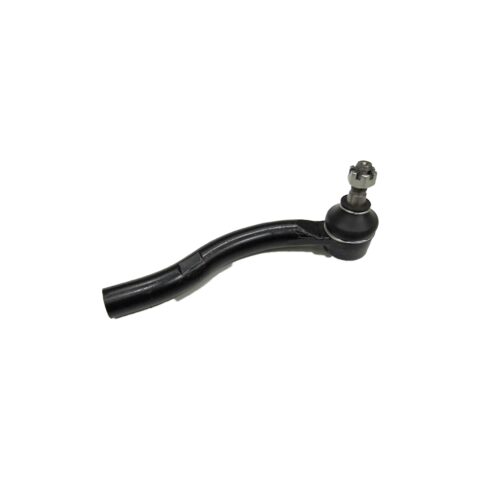
Pada intinya, ujung tie rod adalah sambungan bola yang canggih. Tiang bola logam yang sangat halus terpasang pas di dalam soket berlapis logam atau polimer, atau perumahan. Ini adalah sambungan bola tie rod. Desain ini memungkinkan rentang gerak yang luas, memungkinkan roda berbelok ke kiri dan kanan sekaligus bergerak ke atas dan ke bawah mengikuti gerak suspensi. Untuk melindungi mekanisme rumit ini dari dunia luar yang keras, sepatu bot karet atau poliuretan yang fleksibel dipasang di atas sambungan. Sepatu bot ini adalah penghalang penting, dirancang untuk menjaga lemak penting di dalam dan mengusir kontaminan seperti air, garam, pasir, dan kotoran jalan.
Integritas seluruh rakitan ini—bola stud, soket, boot pelindung, dan pelumas di dalamnya—menentukan kesehatan kemudi Anda. Jika bootnya robek, lemaknya terbuka. Air dapat mengemulsikannya, menjadikannya tidak efektif. Partikel abrasif dapat menyerang, mengubah pelumas halus menjadi pasta penggilingan yang merusak. Inilah sebabnya mengapa pemilihan jenis gemuk untuk ujung tie rod sangat penting; gemuk tersebut harus cukup kuat untuk berfungsi bahkan dalam kondisi yang kurang ideal dan untuk waktu yang lama.
Mengapa Pelumasan Tidak Dapat Dinegosiasikan
Mari kita jelajahi konsekuensi kegagalan melalui eksperimen pemikiran sederhana. Bayangkan tiang bola yang dipoles bergerak di dalam soketnya. Di dunia yang sempurna, lapisan tipis minyak, mungkin tebalnya hanya beberapa mikron, memisahkan kedua permukaan logam. Ini dikenal sebagai pelumasan hidrodinamik atau elastohidrodinamik. Bagian yang bergerak pada dasarnya mengambang di atas lapisan minyak, mencegah kontak langsung logam-ke-logam.
Sekarang, hapus film itu. Saat roda berputar, tiang bola bergesekan langsung dengan dinding soket. Titik tinggi mikroskopis di setiap permukaan, disebut asperitas, saling merobek dan merobek. Hal ini menghasilkan panas lokal yang sangat besar, yang dapat mengubah sifat baja, membuatnya lebih lembut dan lebih mudah dipakai. Partikel logam kecil pecah, mencemari sambungan dan mempercepat proses abrasif. This wear manifests as "play" atau kelonggaran pada sendi. Anda mungkin merasakannya sebagai sedikit getaran di setir, suara dentingan saat berbelok, atau perasaan tidak jelas secara umum dalam respons kemudi. Seiring waktu, kelonggaran ini bisa menjadi sangat parah sehingga tiang bisa patah, dalam skenario kegagalan yang dahsyat, cabut seluruhnya dari soket, mengakibatkan hilangnya kendali kemudi untuk roda tersebut. Hal ini menggambarkan bahwa pelumasan yang tepat merupakan pilar utama keselamatan otomotif, bukan sekedar saran untuk kinerja yang optimal.
Menguraikan Gemuk: Bahasa Pelumasan
Sebelum seseorang dapat dengan yakin memilih gemuk yang tepat, perlu untuk menjadi fasih dalam bahasa pelumasan. Gemuk merupakan suatu zat yang seringkali tampak sederhana, tebal, pasta berwarna. Belum, rumusannya adalah ilmu yang kompleks, tindakan keseimbangan kimia dan fisika yang dirancang untuk menciptakan semi-padat yang mengantarkan minyak ke tempat yang paling membutuhkannya. Ini bukan sekadar minyak kental. Cara yang lebih akurat untuk mengkonsepkan minyak adalah dengan menganggapnya sebagai spons.
Tiga Pilar: Minyak Dasar, pengental, dan Bahan Aditif
Setiap gemuk terdiri dari tiga unsur utama:
- Minyak Dasar (70-95%): Ini adalah komponen pelumas sebenarnya. Oli dasar inilah yang mengurangi gesekan dan keausan antar bagian yang bergerak. Minyak dasar dapat berasal dari minyak bumi (minyak mineral) atau diciptakan melalui sintesis kimia (minyak sintetis). Viskositas, atau ketebalan, minyak dasar ini adalah salah satu sifat terpentingnya.
- pengental (5-30%): This is the "sponge" matriks yang menahan minyak dasar di tempatnya. Pengental itu sendiri bukanlah pelumas utama. Its job is to form a fibrous network that traps the base oil until shear force and temperature cause it to "bleed" keluar dan lumasi komponennya. Jenis pengental yang digunakan (misalnya, litium, kalsium, poliurea) menentukan banyak sifat gemuk, seperti titik jatuhnya (suhu di mana ia menjadi cair), tahan air, dan kompatibilitas dengan gemuk lainnya.
- Aditif (0-10%): Ini adalah senyawa kimia khusus yang meningkatkan atau memberikan sifat spesifik pada gemuk. Anggap saja mereka sebagai bahan rahasia yang menyesuaikan minyak untuk pekerjaan tertentu. Aditif umum termasuk penghambat karat dan oksidasi, polimer untuk meningkatkan daya rekat, Dan, paling relevan dengan diskusi kita, Tekanan Ekstrim (EP) agen.
Memahami struktur tripartit ini merupakan hal mendasar. Saat Anda menanyakan jenis gemuk apa untuk ujung tie rod, Anda sebenarnya bertanya tentang kombinasi ideal ketiga pilar ini untuk ujung tie rod tertentu., aplikasi stres tinggi.
Memahami Nilai Konsistensi NLGI
Sifat gemuk yang paling terlihat adalah kekakuan atau konsistensinya. Ini distandarisasi oleh National Lubricating Grease Institute (NLGI) dalam skala dari 000 (cairan, seperti minyak goreng) ke 6 (sangat tegas, seperti sepotong keju). Nilai ini ditentukan oleh pengujian standar yang mengukur seberapa jauh kerucut menembus sampel gemuk pada suhu tertentu.
Untuk komponen sasis otomotif seperti ujung tie rod, konsistensinya adalah keseimbangan yang halus. Jika minyaknya terlalu encer (seperti nilai NLGI rendah 0 atau 1), itu dapat dengan mudah bocor keluar dari sambungan, terutama pada suhu yang lebih hangat atau di bawah osilasi berkecepatan tinggi. It will not "stay put." Sebaliknya, jika minyaknya terlalu kental (seperti nilai NLGI yang tinggi 3 atau 4), itu mungkin tidak mengalir dengan baik ke dalam celah sempit pada sambungan bola. This can lead to "channeling," di mana bagian-bagian yang bergerak membentuk jalur melalui minyak yang kaku, namun gemuk di sekitarnya tidak kembali ke jalurnya untuk menghasilkan pelumas baru. Fenomena ini mengakibatkan kelaparan pelumas, bahkan ketika sambungan secara teknis penuh dengan minyak.
| Kelas NLGI | Konsistensi pada 25°C (77°F) | Analogi Makanan | Aplikasi Khas | Kesesuaian untuk Ujung Tie Rod |
|---|---|---|---|---|
| 000 | Cairan | Minyak Goreng | Gearbox kecepatan rendah | Tidak cocok (Terlalu tipis) |
| 00 | Sangat lembut | Saus apel | Sistem pelumasan terpusat, gigi terbuka | Tidak cocok (Terlalu tipis) |
| 0 | Lembut | sawi coklat | Aplikasi suhu rendah, sistem terpusat | Tidak cocok (Terlalu tipis) |
| 1 | Semi-Lembut | Pasta Tomat | Gemuk sasis suhu rendah, mesin umum | Marjinal (Mungkin terlalu tipis) |
| 2 | Sedang | Selai kacang | Sebagian besar aplikasi multiguna dan sasis | Ideal |
| 3 | Semi-Keras | Pemendekan Sayuran | Bantalan berkecepatan tinggi, motor listrik | Tidak cocok (Terlalu tebal) |
| 4 | Keras | Yoghurt Beku | Aplikasi penyegelan, bantalan khusus | Tidak cocok (Terlalu tebal) |
| 5 | Sangat keras | Keju Keras | Penyegelan, memblokir minyak | Tidak cocok (Terlalu tebal) |
| 6 | Sangat Sulit | Blok Lilin | Aplikasi blok khusus | Tidak cocok (Terlalu tebal) |
Seperti yang digambarkan dengan jelas pada tabel, Kelas NLGI 2 mencapai keseimbangan sempurna. Ini cukup kuat untuk menahan agar tidak terlempar keluar dari sambungan atau terhanyut, namun cukup lembut untuk mengalir dan melapisi seluruh permukaan internal, memastikan pasokan minyak dasar pelumas secara terus menerus.
Pentingnya Viskositas Minyak Dasar (ISO VG)
Sedangkan grade NLGI menggambarkan ketebalan gemuk yang sudah jadi, Viskositas oli dasar di dalam gemuk tersebut merupakan metrik yang terpisah dan memiliki arti yang sama. Viskositas adalah hambatan suatu fluida untuk mengalir. Untuk minyak, biasanya diukur dalam centistokes (cSt) pada suhu tertentu (biasanya 40°C dan 100°C) dan sering dinyatakan sebagai Tingkat Viskositas ISO (VG).
Minyak dengan viskositas lebih tinggi menghasilkan lebih kental, film pelumas yang lebih kuat, yang bermanfaat untuk beban tinggi dan kecepatan rendah. Oli dengan viskositas lebih rendah mengalir lebih mudah, mana yang lebih baik untuk kecepatan tinggi dan suhu dingin. Untuk film campuran, beban tinggi, dan kondisi osilasi ujung tie rod, oli dasar dengan kekentalan pada kisaran ISO VG 150 ke 220 umumnya dianggap sebagai pilihan yang baik. Hal ini memberikan lapisan film tahan lama yang dapat menahan beban kejut dari benturan tanpa menjadi terlalu tebal sehingga menghambat pergerakan atau menyebabkan hambatan yang berlebihan., terutama di cuaca dingin. Saat memilih jenis gemuk apa yang akan digunakan untuk ujung tie rod, memperhatikan kekentalan oli dasar yang tercantum pada lembar data teknis produk dapat memberikan jaminan tambahan bahwa Anda memilih produk yang sesuai untuk tugas tersebut..
Memilih Gemuk Optimal untuk Ujung Tie Rod: Menyelam Lebih Dalam
Berbekal pemahaman dasar tentang kimia dan sifat-sifat gemuk, kita sekarang dapat membuat profil pelumas yang ideal untuk ujung tie rod. The selection process is not a matter of finding a single "best" merek, namun menyesuaikan spesifikasi teknis gemuk tersebut dengan permintaan aplikasi. Ini adalah proses pilihan teknik yang terinformasi, bukan loyalitas merek. Tujuannya adalah untuk memilih minyak yang akan membentuk ulet, film tahan lama pada stud dan soket bola tie rod, menolak tekanan, suhu, dan kontaminasi.
Kelas NLGI Ideal: Mengapa Kelas 2 adalah Standar Emas
Seperti yang telah ditetapkan sebelumnya, Kelas NLGI 2 mewakili konsistensi optimal. Its "peanut butter" texture provides the necessary "stay-put" ciri. Ia tahan terhadap tekanan tinggi yang dialami ketika roda berubah dari posisi diam atau ketika suspensi mengalami benturan keras.. Belum, itu tetap cukup lentur untuk dengan mudah dipompa melalui pistol gemuk dan fitting zerk, dan merosot dan mengalir di dalam sendi, mengisi kembali lapisan pelumas pada bola dan soket.
Menggunakan Nilai 1 minyak mungkin tampak bermanfaat di iklim yang sangat dingin, karena akan lebih mudah untuk memompa. Namun, konsistensinya yang lebih rendah membuatnya lebih rentan bocor melewati segel debu selama bulan-bulan musim panas atau berkendara di jalan raya dalam waktu lama, menyebabkan hilangnya pelumasan secara bertahap. Sebaliknya, sebuah Kelas 3 gemuk, sekaligus sangat baik dalam menyegel dan menahan pencucian, mungkin terbukti terlalu kaku. Hal ini dapat menimbulkan resistensi yang berlebihan pada sistem kemudi, menyebabkan kemudi terasa berat atau tidak responsif. Lebih berbahaya lagi, kecenderungannya untuk menyalurkan berarti ball stud dapat beroperasi di kantong yang kering, benar-benar kekurangan pelumas, meskipun sambungannya penuh dengan minyak. Karena itu, pilihan yang bijaksana dan tepat untuk hampir semua aplikasi sasis otomotif, termasuk ujung tie rod, adalah Kelas NLGI 2 gemuk.
Tekanan Ekstrim (EP) Aditif: Perisai Anda Terhadap Keausan
Ini mungkin aspek yang paling disalahpahami namun penting dalam memilih jenis gemuk untuk ujung tie rod. Kondisi di dalam ujung tie rod tidak mulus. Mereka berosilasi di antara film penuh (hidrodinamik) pelumasan dan pelumasan batas. Pelumasan batas terjadi ketika beban sangat tinggi, atau kecepatannya sangat rendah, agar lapisan minyaknya terjepit, dan permukaan logam mulai melakukan kontak. Hal ini terjadi berkali-kali: saat Anda memutar setir saat parkir, saat kamu memasuki lubang, ketika Anda membuat tajam, putaran kecepatan rendah.
Di sinilah Tekanan Ekstrim (EP) bahan tambahan ikut berperan. Ini biasanya belerang- dan senyawa kimia berbasis fosfor yang tidak aktif dalam minyak pada kondisi normal. Namun, ketika tekanan kuat dan panas lokal dari kontak logam-ke-logam terjadi, aditif ini aktif. Mereka mengalami reaksi kimia dengan permukaan baja bola dan soket, membentuk mikroskopis, lapisan pengorbanan besi sulfida atau besi fosfat seperti kaca. Lapisan baru ini lebih lembut dibandingkan baja dasar namun jauh lebih tahan lama dibandingkan lapisan minyak dasar saja. Ini bertindak sebagai penghalang yang kokoh, mencegah bencana pengelasan dan robeknya asperitas logam. Intinya, aditif EP mengorbankan dirinya untuk melindungi baja yang mendasarinya.
Menggunakan gemuk serba guna tanpa aditif EP pada ujung tie rod merupakan kesalahan kritis. Pelumas seperti itu mungkin dapat bekerja untuk waktu yang singkat, tetapi di bawah beban kejut dan gerakan berputar yang tiada henti, lapisan minyak pasti akan rusak. Tanpa pelindung kimia aditif EP, keausan cepat pada bola dan soket adalah suatu kepastian. Hasilnya adalah kelonggaran dini, kebisingan, dan kebutuhan akhir akan penggantian ujung tie rod yang mahal. Always look for the "EP" sebutan pada kartrid atau bak gemuk.
Jenis Minyak Dasar: Konvensional vs. Sintetis
Minyak dasar adalah inti dari minyak, dan cerita asal usulnya penting.
-
Konvensional (Mineral) Minyak Dasar: Ini disuling dari minyak mentah. Mereka hemat biaya dan berkinerja mengagumkan dalam berbagai aplikasi umum. NLGI berbahan dasar minyak mineral berkualitas tinggi #2 Gemuk EP sangat memadai dan merupakan pilihan tepat untuk sebagian besar kendaraan penumpang standar dalam kondisi berkendara normal.
-
Minyak Dasar Sintetis: Ini adalah minyak buatan manusia, biasanya polialfaolefin (PAO) atau ester. Molekulnya dirancang agar seragam dalam ukuran dan bentuk, yang memberikan beberapa keuntungan berbeda.
- Stabilitas Termal Unggul: Oli sintetis jauh lebih tahan terhadap kerusakan dan oksidasi pada suhu tinggi dibandingkan oli mineral. Sedangkan ujung tie rod biasanya tidak mengalami panas ekstrim pada bantalan roda, panas menumpuk selama mengemudi agresif atau di iklim panas, dan sintetis memberikan margin keamanan yang lebih besar.
- Performa Suhu Rendah Luar Biasa: Sintetis tidak mengandung molekul parafin lilin yang ditemukan dalam minyak mineral. Akibatnya, mereka tetap cair pada suhu yang jauh lebih rendah, memastikan pelumasan yang tepat dan mencegah kemudi kaku pada pagi musim dingin yang sangat dingin.
- Umur Layanan Lebih Lama: Karena stabilitas bawaannya, Gemuk sintetis seringkali memberikan interval servis yang lebih lama, meskipun selalu disarankan untuk selalu mematuhi rekomendasi pabrikan kendaraan.
Apakah pelumas sintetik diperlukan? Untuk komuter harian di iklim sedang, mungkin tidak. Gemuk EP2 berbahan dasar mineral yang baik sudah cukup. Namun, untuk kendaraan yang beroperasi di iklim ekstrim (sangat panas atau sangat dingin), untuk aplikasi penggerak kinerja, atau untuk kendaraan tugas berat dan off-road yang komponen suspensinya konstan, stres yang parah, kinerja tambahan dan daya tahan gemuk berbahan dasar sintetik membenarkan biaya yang lebih tinggi. Ini memberikan jendela operasional yang lebih luas dan tingkat perlindungan yang lebih besar.
Kompatibilitas Pengental: Jebakan Tersembunyi
Pengental adalah pahlawan tanpa tanda jasa yang menyatukan minyak. Jenis pengental yang umum termasuk litium sederhana, kompleks litium, kalsium sulfonat, aluminium kompleks, dan poliurea. Sementara semuanya membuat matriks seperti spons, struktur kimianya sangat berbeda. Hal ini membawa kita pada suatu hal yang krusial, masalah yang sering diabaikan: ketidakcocokan lemak.
Mencampur gemuk dengan sistem pengental yang tidak kompatibel dapat berakibat buruk. Reaksi kimia antara kedua bahan pengental tersebut dapat menyebabkan rusaknya struktur minyak, sebuah proses yang dikenal sebagai pemisahan minyak atau pendarahan. Pengentalnya mungkin melunak secara drastis, menyebabkan lemak berubah menjadi cairan pekat yang cepat bocor keluar dari sambungan. Alternatifnya, hal ini dapat menyebabkan minyak mengeras, menghalangi aliran oli dan menyebabkan kekurangan pelumas.
Bayangkan Anda sedang melumasi kembali ujung tie rod yang telah diisi di pabrik dengan gemuk poliurea. Jika Anda tanpa sadar memompa gemuk litium kompleks biasa, Anda mungkin memicu reaksi kimia yang merusak kemampuan pelumasan kedua produk. Satu-satunya asumsi yang aman untuk dibuat saat menyervis suatu komponen untuk pertama kalinya adalah Anda tidak mengetahui kandungan gemuk apa yang ada di dalamnya. Praktik terbaiknya adalah dengan memompa gemuk baru sampai Anda melihatnya mulai membersihkan gemuk lama dari titik pendarahan boot.. Hal ini memastikan bahwa sebagian besar dari yang lama, Gemuk yang tidak diketahui telah dikeluarkan dan diganti dengan yang baru, pelumas yang terkenal kualitasnya. Ketika ragu, jangan dicampur.
| Jenis Pengental | Litium | Kompleks Litium | Kalsium Sulfonat | Kompleks Aluminium | poliurea |
|---|---|---|---|---|---|
| Litium | C | B | SAYA | SAYA | SAYA |
| Kompleks Litium | B | C | B | SAYA | SAYA |
| Kalsium Sulfonat | SAYA | B | C | B | SAYA |
| Kompleks Aluminium | SAYA | SAYA | B | C | SAYA |
| poliurea | SAYA | SAYA | SAYA | SAYA | C |
Legenda: C = Kompatibel; B = Garis Batas (pengujian direkomendasikan); Saya = Tidak kompatibel
Tabel ini menyoroti potensi masalah. Perhatikan Polyurea itu, gemuk umum yang berkinerja tinggi dan memenuhi standar pabrik, tidak kompatibel dengan sebagian besar tipe umum lainnya. Juga, gemuk Lithium dan Lithium Complex yang sangat umum mempunyai ketidakcocokan dengan yang lain. Hal ini menggarisbawahi pentingnya pembersihan menyeluruh saat melakukan pelumasan ulang.
Kesalahan #1: Ignoring the NLGI Grade – The "Too Thick, Terlalu Tipis" Dilema
Kami telah menetapkan Kelas NLGI itu 2 adalah tolak ukurnya, tetapi untuk benar-benar menginternalisasikan prinsip ini, Penting untuk memeriksa mode kegagalan spesifik yang timbul karena penyimpangan dari standar ini. Memilih konsistensi yang salah bukanlah kesalahan kecil; itu pada dasarnya merusak tujuan pelumasan. Hal ini mirip dengan memilih kekentalan oli mesin yang salah—konsekuensinya mungkin tidak langsung terasa, namun hal ini tidak dapat dihindari dan bersifat merusak.
Konsekuensi Penggunaan Gemuk Tingkat NLGI Rendah
Mari kita pertimbangkan penerapan Kelas NLGI 1 atau, bahkan lebih buruk lagi, sebuah Kelas 0 gemuk. Gemuk yang lebih lembut ini menggoda, terutama di cuaca dingin, karena sangat mudah untuk dipompa dari pistol gemuk. Aplikasi awal terasa mulus dan mudah. Namun, kemudahan awal ini menutupi kekurangan yang tersembunyi.
The primary problem is a lack of "body" atau stabilitas mekanik. Ujung tie rod adalah lingkungan yang dinamis. Osilasi konstan dan gerakan berputar, dikombinasikan dengan gaya sentrifugal dari rakitan roda pemintal, memberikan tuntutan yang signifikan pada gemuk agar tetap berada di tempatnya. Lembut, Nilai 1 gemuk memiliki resistensi yang lebih rendah terhadap gerakan ini. Anggap saja seperti mencoba menyimpan sesendok mustard di piring yang berputar; itu akan cepat terlempar.
Di tengah teriknya musim panas, masalahnya menjadi lebih besar. Saat suhu lingkungan meningkat, minyak secara alami semakin melunak, dan viskositas minyak dasar menurun. This "thinning out" efek membuat Grade 1 minyak bahkan lebih rentan bocor melewati segel boot debu. Anda mungkin melihat buktinya sebagai suatu kegelapan, residu berminyak di bagian luar boot dan komponen sekitarnya. Setiap tetes gemuk yang bocor adalah setetes yang tidak lagi melindungi bola dan soket tie rod. Hilangnya pelumas secara bertahap namun terus-menerus pada akhirnya akan menyebabkan kekuatan film tidak mencukupi, peningkatan gesekan, dan keausan yang dipercepat. Sambungan secara efektif menjadi kering seiring berjalannya waktu, semua karena pelumas yang dipilih tidak memiliki integritas fisik untuk tetap berada di tempatnya.
Jebakan dari Nilai NLGI yang Terlalu Tinggi
Sekarang, mari kita periksa kesalahan sebaliknya: menggunakan Kelas NLGI 3 atau minyak yang lebih keras. Di atas permukaan, ini mungkin tampak seperti pilihan yang kuat. Gemuk yang lebih kental pasti akan menahan pencucian dan kebocoran air. Terasa besar dan tahan lama. Namun, kekakuannya adalah kehancurannya pada sambungan dinamis seperti ujung batang pengikat.
The critical failure mode here is known as "channeling." Bayangkan tiang bola berputar di dalam soket, yang dikemas dengan kaku, Nilai 3 gemuk. Pejantan akan membuat saluran atau jalur untuk dirinya sendiri melalui gemuk. Karena minyaknya sangat kaku, it does not have the ability to "slump" atau mengalir kembali ke saluran tersebut untuk mengisi kembali lapisan pelumas pada permukaan yang bergerak. Hasilnya adalah situasi yang paradoks: sambungannya penuh dengan minyak, namun titik kontaknya mulai kering. Pejantan bola hanya mendorong sedikit kerja berlebihan yang sama, menghabiskan minyak bolak-balik di dalam terowongan yang diukirnya.
Hal ini menyebabkan kerusakan cepat pada minyak dasar di area lokal tersebut dan menipisnya bahan aditif apa pun. Gesekan dan panas menumpuk di tempat yang seharusnya dicegah. Seorang teknisi mungkin memeriksa sambungannya, lihat bootnya penuh dan montok, dan menganggap semuanya baik-baik saja, saat berada di dalam, keausan destruktif terjadi pada tingkat yang mengkhawatirkan. Hal ini membuat gemuk yang terlalu kental berpotensi lebih berbahaya dibandingkan gemuk yang terlalu encer, karena mode kegagalannya tersembunyi dan tidak memberikan tanda apa pun sampai sambungan tersebut berkembang secara signifikan atau gagal. Kemudinya mungkin juga terasa kaku dan tidak responsif, terutama dalam cuaca dingin ketika Grade 3 minyak menjadi lebih keras.
Sebuah Analogi Praktis: Madu vs. Air
Untuk memperkuat konsep ini, pertimbangkan tindakan sederhana melumasi engsel pintu.
Jika Anda mengoleskan beberapa tetes minyak yang sangat encer (seperti air, analog kami untuk NLGI 00 gemuk), itu akan menembus pin engsel dengan indah. Deritnya akan hilang seketika. Tapi kembalilah dalam seminggu, dan Anda akan menemukan minyaknya menetes ke lantai, dan deritnya kembali terdengar. Pelumasnya tidak memiliki konsistensi untuk bertahan di tempatnya.
Sekarang, coba lumasi engsel yang sama dengan madu dingin (analog kami untuk NLGI 3 gemuk). Anda bisa mengoleskannya dalam jumlah besar pada bagian luar engselnya, namun sangat sedikit yang benar-benar masuk ke ruang sempit di sekitar pin tempat terjadinya gesekan. Pin engsel sebagian besar masih belum terlumasi, dan suara mencicit itu terus berlanjut, despite the presence of a large quantity of "lubricant."
Akhirnya, oleskan bahan dengan konsistensi selai kacang (NLGI kami 2 analog). Bahan ini cukup lembut untuk diaplikasikan pada bagian engsel yang bergerak, namun cukup tebal sehingga tidak akan menetes seiring waktu. Itu tetap berada di tempat yang dibutuhkan, terus memberikan pelumasan. Analogi sederhana ini menangkap inti mengapa NLGI Grade 2 adalah pilihan yang tepat dan logis ketika memutuskan jenis gemuk apa untuk ujung tie rod.
Kesalahan #2: Mengabaikan Tekanan Ekstrim (EP) Aditif
Jika mengabaikan nilai NLGI adalah kesalahan fisika, kemudian mengabaikan kebutuhan akan Tekanan Ekstrim (EP) aditif adalah kesalahan kimia yang lebih besar. Hal ini menunjukkan kesalahpahaman tentang kondisi pengoperasian sebenarnya di ujung tie rod. Banyak pemilik kendaraan atau bahkan teknisi yang bermaksud baik mungkin memilih NLGI Grade berkualitas tinggi 2 gemuk, percaya bahwa mereka telah melakukan uji tuntas. Namun, jika minyak itu adalah minyak serba guna yang sederhana (anggota parlemen) atau tujuan umum (dokter umum) formulasi tanpa aditif EP, mereka telah memilih produk yang pada dasarnya tidak cocok untuk tugas tersebut.
Apa yang Terjadi Tanpa Perlindungan EP?
Mari kita meninjau kembali konsep pelumasan batas. Ini adalah rezim di mana film pelumas dikompromikan, dan kontak logam-ke-logam dimulai. Di ujung tie rod, ini bukan kejadian langka; ini adalah bagian yang konstan dan diharapkan dari siklus operasionalnya. Setiap kali Anda memutar setir saat kendaraan dalam keadaan diam, gaya yang diperlukan untuk memutar ban ke permukaan jalan sangat besar. Gaya-gaya ini disalurkan langsung melalui ujung tie rod, dengan mudah memeras lapisan oli dasar antara bola dan soket. Menabrak tepi jalan atau lubang yang dalam akan menimbulkan beban kejut yang memiliki efek yang sama, untuk sesaat meruntuhkan lapisan minyak pelindung.
Dalam gemuk tanpa aditif EP, kontak logam-ke-logam ini sangat merusak. Puncak mikroskopis (kelainan) pada permukaan tiang bola dan soketnya saling bertabrakan. Tekanan yang sangat besar pada titik-titik kontak kecil ini menghasilkan kilatan panas yang hebat, cukup untuk menyebabkan puncak-puncak menyatu untuk sementara waktu. Saat sendi terus bergerak, lasan mikroskopis ini langsung terkoyak. Proses ini, dikenal sebagai keausan perekat, mengambil pecahan kecil logam dari permukaannya.
Fragmen logam ini kemudian menjadi partikel abrasif yang mengambang bebas di dalam gemuk, mengubah pelumas menjadi senyawa penggilingan. Prosesnya menjadi lingkaran setan: keausan menciptakan partikel, yang mempercepat keausan lebih lanjut. Permukaan bola dan soket, yang dulunya dipoles dengan halus, menjadi hancur dan berlubang. Jarak bebas di antara mereka meningkat, menyebabkan kelonggaran dan permainan yang menandakan sendi yang aus. Pelumas MP sederhana, tidak peduli seberapa tinggi kualitasnya, tidak memiliki mekanisme pertahanan kimia untuk mencegah rangkaian destruktif ini. Ia hanya mengandalkan kekuatan fisik lapisan minyaknya, yang tidak cukup untuk tugas tersebut.
Mengidentifikasi Gemuk EP: Membaca Labelnya
Untung, mengidentifikasi gemuk yang cocok sangatlah mudah. Produsen yang menyertakan paket aditif EP dalam formulasinya bangga dengan fakta ini, karena ini adalah pembeda kinerja utama. Anda harus mencari indikator berikut pada kemasan produk atau pada lembar data teknisnya:
- Itu "EP" Penamaan: The most obvious sign is the letters "EP" dalam nama produk (misalnya, "Lithium Complex EP 2" atau "Heavy Duty EP Grease").
- Spesifikasi Kinerja: Produk mungkin menyatakan bahwa produk tersebut memenuhi standar kinerja industri tertentu yang memerlukan perlindungan EP, seperti ASTM D4950 GC-LB. Itu "LB" sebagian dari peringkat ini secara khusus menunjuk pada pelumas sasis yang telah lulus pengujian untuk membawa beban (EP) dan memakai pelindung.
- Deskripsi Aplikasi: The label will often describe the grease as being suitable for "chassis points," "Sendi bola," "U-joints," atau "heavy-duty applications." Frasa ini adalah kode untuk aplikasi yang mengalami shock loading yang memerlukan aditif EP.
Sebaliknya, a grease labeled simply as "Multi-Purpose," "General Purpose," atau dimaksudkan untuk aplikasi seperti bantalan motor listrik atau titik pivot sederhana kemungkinan tidak berisi paket EP kuat yang diperlukan untuk ujung tie rod. Tidak adanya penunjukan EP sama pentingnya dengan kehadirannya.
Studi Kasus: Kegagalan Dini pada Sambungan Berpelumas Non-EP
Pertimbangkan skenario hipotetis namun sangat realistis. A 2024 truk ringan model tahun, digunakan untuk perjalanan sehari-hari dan pengangkutan ringan sesekali, membutuhkan pelumasan sasis pertama pada 30,000 mil. Pemiliknya, seorang DIYer yang rajin, membeli merek NLGI Grade yang terkenal 2 gemuk. Kemasannya bersih, merek tersebut memiliki reputasi baik, tetapi ini adalah gemuk MP yang ditujukan untuk penggunaan umum di rumah tangga dan toko. Pemiliknya dengan hati-hati melumasi semua perlengkapan zerk pada suspensi depan, termasuk ujung tie rod, sampai minyak segar terlihat.
Untuk yang pertama 5,000-10,000 mil, semuanya tampak baik-baik saja. Kemudinya mulus, dan tidak ada suara-suara. Namun, di dalam ujung tie rod, kerusakan sudah dimulai. Setiap tikungan tajam, setiap manuver parkir, setiap gundukan di jalan menyebabkan keausan perekat mikroskopis. Lapisan minyak dasar sedang dilanggar, dan tanpa aditif EP untuk membentuk lapisan kimia pelindung, bola dan soket perlahan-lahan saling mengikis.
Oleh 50,000 mil, the owner begins to notice a subtle "clunk" saat memutar setir maju mundur sambil berhenti. Kemudinya terasa kurang presisi di jalan raya, membutuhkan lebih banyak koreksi kecil untuk menjaga pelacakan truk tetap lurus. Pemeriksaan yang dilakukan oleh teknisi profesional menunjukkan adanya permainan yang signifikan pada kedua ujung tie rod bagian luar. Setelah pembongkaran, lemak di dalamnya ternyata berwarna abu-abu tua, hampir hitam, terkontaminasi dengan partikel keausan logam konsentrasi tinggi. Permukaan kancing bola tidak lagi dipoles tetapi sudah kusam dan tergores. Akar penyebab kegagalan prematur, hanya 20,000 mil setelah diservis, adalah penggunaan gemuk non-EP. Komponen tersebut rusak bukan karena kurangnya pelumasan, namun karena penerapan jenis pelumasan yang salah. Kasus ini menggarisbawahi bahwa susunan kimiawi minyak sama pentingnya dengan keberadaan fisiknya.
Kesalahan #3: Bahaya Ketidakcocokan Gemuk
Kesalahan umum dan berbahaya ketiga dalam pelumasan sasis adalah kegagalan dalam memperhatikan sifat kimia sistem pengental. Seperti yang telah kita bahas, Gemuk bukanlah cairan homogen melainkan kompleks, sistem dua fase. Pengental bertindak sebagai matriks struktural, perancah yang menampung minyak pelumas. Stabilitas perancah ini adalah yang terpenting. Mencampur gemuk dengan sistem pengental yang tidak kompatibel secara kimia dapat menyebabkan perancah ini runtuh, menyebabkan hilangnya fungsi pelumas secara cepat dan total.
Kimia Konflik: Saat Pengental Tidak Tercampur
Untuk memahami ini, mari kita visualisasikan dua jenis pengental yang umum pada tingkat mikroskopis. Pengental kompleks litium, Misalnya, terdiri dari jaringan serat sabun yang kusut. Pengental poliurea, di sisi lain, adalah jaringan polimer berbasis non-sabun. Padahal keduanya efektif menampung minyak, struktur kimianya dan cara ikatannya dengan minyak dasar pada dasarnya berbeda.
Saat Anda memasukkan gemuk litium kompleks ke dalam sambungan yang sudah mengandung gemuk poliurea, Anda tidak hanya memadukannya. Anda memulai reaksi kimia. Struktur pengental yang berbeda dapat saling mengganggu, mengganggu keseimbangan halus yang menahan oli dalam suspensi. Hal ini dapat terwujud dalam dua cara utama:
-
Pelunakan dan Pendarahan: Akibat paling umum dari ketidakcocokan adalah hilangnya konsistensi secara dramatis. Campurannya mungkin menjadi jauh lebih lembut dibandingkan gemuk aslinya. Matriks pengental kehilangan kemampuannya untuk menahan minyak, causing the base oil to rapidly "bleed" keluar. Hasilnya pekat, kekacauan berminyak yang bocor dari sendi, meninggalkan yang habis, residu pengental yang tidak efektif. Sendi cepat kekurangan pelumasan.
-
Pengerasan dan Penggumpalan: Lebih jarang, tapi sama destruktifnya, beberapa campuran yang tidak cocok dapat menyebabkan minyak mengeras atau menggumpal. Reaksi tersebut dapat menyebabkan pengental menggumpal, membentuk keras, endapan kering. Hal ini menghalangi aliran sisa minyak dan secara fisik dapat menghambat pergerakan sendi. Dalam skenario ini, minyak itu sendiri menjadi kontaminan.
Masalah ini sangat relevan pada kendaraan modern. Banyak pabrikan menggunakan gemuk poliurea atau kalsium sulfonat berkinerja tinggi sebagai bahan pengisi pabrik untuk komponen sasis karena karakteristik kinerjanya yang sangat baik.. Namun, jenis gemuk yang paling umum tersedia bagi konsumen dan bengkel adalah berbahan dasar litium atau litium kompleks. Hal ini menimbulkan skenario yang sangat umum untuk pencampuran yang tidak disengaja dan potensi ketidakcocokan. Satu-satunya cara untuk menghindari masalah ini adalah dengan membersihkan sepenuhnya gemuk lama saat menyervis sambungan.
Itu "Clean Slate" Protokol: Cara Melumasi Ulang dengan Benar
Mengingat risiko ketidakcocokan, A "clean slate" Pendekatan ini adalah satu-satunya metode yang bertanggung jawab secara profesional untuk melumasi kembali sambungan sasis yang dapat diservis seperti ujung tie rod. Tujuannya bukan sekedar menambah gemuk baru, tapi untuk mengganti gemuk yang lama.
Prosedurnya mudah tetapi membutuhkan ketekunan. Setelah membersihkan fitting zerk, pasang coupler pistol gemuk dengan kencang. Mulailah memompa gemuk baru secara perlahan ke dalam sambungan. Seperti yang Anda lakukan, perhatikan baik-baik bagian tepi sepatu bot karet. Pada sebagian besar sambungan yang dapat diservis, boot dirancang untuk memungkinkan yang lama, kelebihan minyak untuk dibersihkan dari sekitar segelnya.
Lanjutkan pemompaan sampai Anda melihat minyak baru mulai muncul. Anda akan sering melihat perubahan warna yang berbeda. Misalnya, jika yang lama, minyak yang dibersihkan berwarna hitam atau abu-abu tua (dari usia dan kontaminasi) dan minyak barumu berwarna merah, Anda harus terus memompa sampai Anda melihat minyak merah bersih keluar. Konfirmasi visual ini adalah jaminan Anda bahwa Anda telah berhasil menghilangkan sebagian besar yang lama, berpotensi tidak kompatibel, olesi dan isi sambungan dengan yang segar, pelumas yang terkenal kualitasnya.
Seka semua minyak yang sudah dibersihkan dengan handuk toko. Hal ini penting tidak hanya untuk kebersihan tetapi juga untuk mencegah minyak lama menarik kotoran yang lama kelamaan dapat merusak boot. Proses pembersihan ini menyelesaikan dua hal secara bersamaan: itu menghilangkan yang lama, terkontaminasi, dan pelumas yang aus, dan mengurangi risiko ketidakcocokan bahan kimia. Ini adalah satu-satunya cara paling efektif untuk memastikan kesehatan sendi yang dilumasi dalam jangka panjang. Bagi mereka yang ingin mengganti komponen yang aus, sumber berkualitas tinggi, ujung tie rod yang dapat diservis yang dirancang untuk pemeliharaan yang tepat dapat menjadi investasi jangka panjang yang bijaksana.
Panduan Langkah demi Langkah untuk Mengoles Ujung Tie Rod
Melakukan tugas pemeliharaan ini dengan benar merupakan keterampilan yang memuaskan dan berharga. Ini adalah investasi langsung pada keamanan dan umur panjang kendaraan Anda. Mendekati tugas dengan proses metodis memastikan hasil berkualitas profesional.
Mengumpulkan Alat Anda: Peralatan yang Tepat untuk Pekerjaan itu
Kesuksesan dimulai dengan persiapan yang matang. Anda akan membutuhkan sedikit koleksi alat, sebagian besar umum terjadi di garasi rumah:
- Pistol Gemuk: Pistol gemuk dengan pegangan pistol atau tuas adalah perlengkapan standar. Pistol dengan pegangan seringkali lebih mudah digunakan dengan satu tangan sambil mengatur posisi coupler dengan tangan lainnya. Pastikan itu diisi dengan jenis gemuk yang benar: Kelas NLGI 2, Gemuk yang diperkaya EP.
- Kartrid Gemuk: Kartrid standar 14 ons dari pelumas sasis berkualitas tinggi pilihan Anda.
- Belanja Handuk atau Kain Lap: Anda akan membutuhkan ini untuk membersihkan perlengkapan zerk dan menyeka minyak yang sudah dibersihkan.
- Sikat atau Petik Kawat Kecil: Untuk membersihkan kotoran membandel atau minyak tua yang mengeras dari fitting zerk.
- Kacamata Pengaman: Suatu kebutuhan mutlak. Gemuk dapat keluar dari sambungan di bawah tekanan, dan perlindungan mata tidak bisa dinegosiasikan.
- Jack dan Jack Berdiri: Meskipun tidak selalu benar-benar diperlukan (terkadang Anda dapat mengakses perlengkapan dengan roda di tanah), meninggikan bagian depan kendaraan dapat memberikan akses yang jauh lebih baik dan memungkinkan roda diputar untuk memudahkan penentuan posisi. Jika Anda mengangkat kendaraan, Anda harus menopangnya dengan aman pada dudukan jack. Jangan sekali-kali bekerja di bawah kendaraan yang hanya ditopang oleh dongkrak.
Mempersiapkan Kendaraan dan Menemukan Zerk Fitting
- Keselamatan Pertama: Parkirkan kendaraan pada permukaan yang rata dan aktifkan rem parkir. Jika Anda sedang mengangkat kendaraan, mengganjal roda belakang.
- Temukan Perlengkapannya: Ujung tie rod merupakan bagian dari steering linkage yang menghubungkan steering rack atau center link dengan steering knuckle pada roda. Anda akan memiliki ujung tie rod bagian dalam dan luar untuk setiap roda depan. Tidak semua kendaraan modern memiliki sambungan yang bisa diservis; many are "sealed for life." Jika Anda tidak melihat yang kecil, pas seperti puting (pemasangan zerk) di bagian bawah atau ujung rumah ujung tie rod, kemungkinan besar unit tersegel yang tidak dapat dilumasi.
- Bersihkan Perlengkapan Zerk: Ini adalah langkah yang sangat penting dan sering kali dilakukan secara terburu-buru. Fitting zerk adalah katup periksa satu arah yang memungkinkan gemuk masuk tetapi tidak keluar. Biasanya tertutup kotoran jalan, lumpur, dan minyak tua yang menempel. Jika Anda memasang coupler pistol gemuk tanpa terlebih dahulu membersihkan fittingnya dengan cermat, Anda akan menyuntikkan kotoran dan pasir itu langsung ke jantung sendi. Bahan abrasif ini akan merusak sambungan dari dalam ke luar. Gunakan lap untuk menyeka sebagian besar kotoran, kemudian gunakan pick kecil atau sikat kawat untuk membersihkan area sekitar ball check valve di ujung fitting hingga bersih.
Seni Penerapan: Berapa Banyak yang Cukup?
- Pasang Coupler: Tekan coupler di ujung selang pistol gemuk Anda dengan kuat ke fitting zerk. It should "click" ke tempatnya. Pastikan terpasang dengan lurus dan aman. Sambungan yang buruk akan mengakibatkan gemuk bocor keluar dari sekitar coupler dan bukannya masuk ke dalam sambungan.
- Pompa Secara Perlahan dan Amati: Mulailah memompa pistol gemuk secara perlahan dan hati-hati. Anda memberi tekanan pada bagian dalam sendi. Saat Anda memompa, perhatikan boot debu karet. Anda akan melihatnya mulai sedikit membengkak, seperti balon kecil. Ini pertanda baik; itu berarti sambungannya terisi minyak.
- Perhatikan Pembersihan: Lanjutkan memompa sampai Anda melihat minyak lama mulai merembes keluar dari tepi sepatu bot, atau sepatu bot terasa kencang dan montok saat disentuh. Tujuannya adalah untuk mengisi boot hingga penuh, tetapi jangan terlalu menekannya hingga berisiko pecah. Aturan praktis yang baik adalah menambahkan dua hingga tiga pompa penuh untuk pengisian ulang rutin, atau untuk terus memompa hingga Anda melihat sisa gemuk lama pada servis awal atau saat mengganti jenis gemuk.
- Lepaskan Coupler dan Bersihkan: Setelah sambungannya penuh, miringkan coupler ke samping untuk membuka segel dan melepaskannya dari fitting zerk. Sedikit minyak mungkin keluar. Gunakan handuk toko Anda untuk menyeka fitting zerk hingga bersih dan, secara kritis, untuk menghapus semua yang lama, membersihkan lemak dari sekitar boot.
Disegel vs. Ujung Tie Rod yang Dapat Diservis: Sebuah Teka-Teki Modern
Dalam beberapa dekade terakhir, banyak produsen kendaraan telah beralih menggunakan komponen suspensi yang disegel dari pabrik dan tidak memiliki perlengkapan zerk. The rationale is to create a "maintenance-free" kendaraan untuk pemilik rata-rata. Sambungan yang disegel ini diisi dengan kualitas tinggi, long-life synthetic grease and are designed to last the "lifetime" kendaraan.
Namun, the definition of "lifetime" bisa menjadi ambigu, dan sambungan yang tersegel ini tidak kebal terhadap kegagalan. Setelah booting debu pada sambungan yang tersegel terganggu, nasibnya sudah ditentukan. Tidak ada cara untuk menghilangkan kontaminan atau mengisi kembali minyak. Satu-satunya pilihan adalah penggantian.
Untuk penggemar, pemilik armada, atau mereka yang lebih memilih untuk mengambil peran proaktif dalam perawatan kendaraannya, memilih komponen purnajual berkualitas tinggi dengan perlengkapan yang dapat diservis, seperti komponen ujung tie rod premium, bisa menjadi strategi jangka panjang yang unggul. Kemampuan untuk membuang yang lama secara berkala, minyak yang terkontaminasi dan isi kembali dengan minyak segar, pelumas berkualitas tinggi dapat memperpanjang umur komponen secara signifikan, jauh melampaui rekannya yang tersegel. Hal ini mengembalikan kendali atas umur panjang komponen ke tangan pemiliknya.
Melampaui Tie Rod: Pendekatan Holistik terhadap Pelumasan Sasis
Prinsip-prinsip yang telah kami teliti dengan cermat mengenai jenis gemuk apa untuk ujung tie rod tidak terisolasi. Ini adalah bagian dari filosofi perawatan sasis yang lebih luas. Ujung tie rod hanyalah salah satu dari beberapa titik pivot penting dalam sistem suspensi dan kemudi kendaraan Anda, banyak di antaranya memiliki persyaratan pelumasan yang serupa. Mengadopsi pendekatan holistik memastikan bahwa keseluruhan sistem bekerja secara harmonis, memberikan keamanan yang optimal, kenyamanan, dan kinerja.
Menggemukkan Ball Joint dan Suspension Control Arms
Sambungan bola adalah sepupu dekat ujung batang pengikat. Ini adalah titik pivot utama yang menghubungkan buku jari kemudi ke lengan kendali suspensi. Lengan kendali suspensi sendiri merupakan penghubung penting yang menempatkan rakitan roda relatif terhadap rangka kendaraan, memungkinkan gerakan vertikal perjalanan suspensi gdstauto.com. Seperti ujung tie rod, sambungan bola menggunakan desain bola-dan-soket dan dikenakan beban yang sangat besar serta artikulasi yang konstan.
Persyaratan pelumasan untuk ball joint sama dengan persyaratan pelumasan untuk ujung tie rod. Mereka menuntut Kelas NLGI berkualitas tinggi 2 gemuk yang diperkaya dengan Tekanan Ekstrim (EP) aditif. Beban pada ball joint, yang menanggung sebagian besar bobot kendaraan, seringkali bahkan lebih tinggi daripada yang ada di ujung tie rod, membuat kebutuhan akan perlindungan EP semakin terasa. Jika kendaraan Anda memiliki sambungan bola yang bisa diservis (atas, lebih rendah, atau keduanya), mereka harus dilumasi dengan pelumas yang sama dan pada interval servis yang sama dengan ujung tie rod Anda. Proses pembersihan fitting zerk dan pembersihan gemuk lama juga sama. Mempertahankan komponen-komponen ini bersama-sama memastikan keseluruhan geometri kemudi dan suspensi tetap presisi.
Kebutuhan Bushing Link Stabilizer
Komponen penting lainnya dalam sistem suspensi adalah link stabilizer (juga dikenal sebagai tautan sway bar). Tautan ini menghubungkan batang penstabil ke lengan kendali suspensi atau penyangga. Tugas mereka adalah mengontrol body roll saat menikung. Sementara beberapa link stabilizer modern menggunakan ball joint kecil di ujungnya (yang mempunyai persyaratan gemuk yang sama dengan ujung tie rod), banyak desain tradisional menggunakan bushing karet atau poliuretan.
Busing ini umumnya tidak memerlukan pelumasan berkala dengan gemuk. nyatanya, mengoleskan gemuk berbahan dasar minyak bumi pada berbagai jenis bushing karet dapat menyebabkan karet membengkak, melunakkan, dan terdegradasi sebelum waktunya. Untuk komponen ini, praktik terbaiknya adalah menjaganya tetap bersih dan memeriksa apakah ada keretakan, pengerasan, atau tanda-tanda kerusakan lainnya. Jika Anda merakit bushing poliuretan baru, mereka sering datang dengan spesifik, gemuk silikon yang bukan berbahan dasar minyak bumi. Gemuk khusus ini dirancang untuk mencegah bunyi berdecit tanpa merusak material bushing. Jangan sekali-kali menggunakan gemuk sasis standar Anda pada bushing suspensi kecuali diinstruksikan secara khusus oleh produsen bushing.
Membuat Jadwal Pelumasan Komprehensif
Konsistensi adalah kunci umur panjang. Daripada melumasi komponen secara sporadis, menetapkan jadwal rutin adalah strategi yang paling efektif. Jadwal ini bisa berdasarkan jarak tempuh, waktu, atau kondisi pengoperasian.
-
Untuk Kendaraan Penumpang Standar: Dasar yang baik untuk sebagian besar mobil dan truk ringan dalam kondisi berkendara normal adalah melakukan pelumasan sasis penuh setiap kali penggantian oli., atau kira-kira setiap 10,000 ke 15,000 mil (16,000 ke 24,000 kilometer). Minimal, itu harus dilakukan setahun sekali, terlepas dari jarak tempuh, untuk membersihkan kelembapan yang mungkin terkumpul.
-
Untuk Tugas Berat, Luar Jalan, atau Kendaraan Armada: Kendaraan yang mengalami kondisi sulit memerlukan perhatian lebih sering. Ini termasuk truk yang digunakan untuk mengangkut beban berat, 4x4s sering digunakan di luar trotoar, dan kendaraan apa pun yang dioperasikan dalam kondisi sangat basah, berdebu, atau korosif (misalnya, jalan asin) lingkungan. Untuk aplikasi ini, interval pelumasan setiap 3,000 ke 5,000 mil (5,000 ke 8,000 kilometer), atau setiap kali ganti oli, adalah investasi yang bijaksana. Dalam kasus ini, seringnya membersihkan kontaminan lebih penting daripada sifat minyak yang tahan lama.
Dengan menyinkronkan pelumasan semua titik sasis yang dapat diservis—ujung tie rod, Sendi bola, dan perlengkapan khusus lainnya—Anda menciptakan rutinitas pemeliharaan preventif yang kuat yang menghasilkan keandalan dan mengurangi biaya perbaikan jangka panjang.
Pertanyaan yang Sering Diajukan (Pertanyaan Umum)
1. Dapatkah saya menggunakan gemuk bantalan roda pada ujung tie rod saya? Itu tergantung. Banyak gemuk bantalan roda modern yang berkualitas tinggi, Kelas NLGI 2 produk. Namun, Anda harus memverifikasi dua hal. Pertama, itu harus mengandung Tekanan Ekstrim (EP) aditif. Beberapa gemuk bantalan roda bersuhu tinggi dirancang untuk kontak penggulungan kecepatan tinggi, bukan tekanan tinggi, kontak geser/osilasi pada tie rod, dan mungkin kekurangan aditif EP. Kedua, perhatikan kompatibilitas pengental. Jika bantalan roda Anda berminyak (misalnya, jenis poliurea) tidak kompatibel dengan gemuk litium kompleks pada sasis Anda, Anda harus benar-benar membersihkan minyak lama. Gemuk berkualitas tinggi yang diberi peringkat GC-LB oleh ASTM disertifikasi untuk kedua bantalan roda (GC) dan sasis (LB) digunakan dan merupakan pilihan yang sangat baik.
2. Apa arti warna minyaknya? Warna minyak hampir seluruhnya disebabkan oleh pewarna yang ditambahkan oleh produsen untuk tujuan pencitraan merek dan identifikasi. Ini tidak ada hubungannya dengan kualitas atau kinerja gemuk. Anda tidak dapat menentukan sifat-sifat gemuk (kelas NLGI, minyak dasar, jenis pengental, adanya aditif EP) hanya berdasarkan warnanya saja. Warna umum termasuk merah, biru, hijau, dan hitam (sering kali disebabkan oleh aditif molibdenum disulfida). Jangan mencampur minyak berdasarkan warna; selalu periksa spesifikasi produk untuk kompatibilitas.
3. My car has "sealed for life" ujung batang pengikat. Bisakah saya memasang fitting zerk? Meskipun secara teknis memungkinkan untuk mengebor dan mengetuk sambungan yang disegel untuk memasang fitting zerk, umumnya tidak disarankan. Desain internal dan segel sambungan yang tidak dapat diservis tidak dimaksudkan untuk membersihkan gemuk, dan Anda berisiko memasukkan serutan logam ke dalam sambungan selama proses pengeboran. Pilihan yang jauh lebih aman dan andal adalah mengganti komponen yang tersegel dengan suku cadang purnajual berkualitas tinggi yang dirancang sejak awal agar dapat diservis..
4. Bagaimana saya tahu jika ujung tie rod saya perlu dilumasi atau sudah aus? Jika Anda memiliki sambungan yang bisa diservis, mereka harus dilumasi sesuai dengan jadwal perawatan Anda. Tanda-tanda bahwa tie rod berakhir (disegel atau dapat diservis) sudah aus dan perlu diganti termasuk: suara dentingan atau klik dari ujung depan saat berbelok, terutama pada kecepatan rendah; excessive play or a "dead spot" di roda kemudi; dan keausan ban tidak merata, terutama bulu-bulu di bagian pinggir ban. Seorang teknisi dapat memastikan keausan dengan mengangkat kendaraan dan memeriksa kelonggaran dengan mendorong dan menarik roda.
5. Apa itu minyak Moly, dan apakah itu bagus untuk ujung tie rod? "Moly" minyak mengandung Molibdenum Disulfida (MoS₂), yang merupakan aditif pelumas padat. Ia bekerja dengan melapisi permukaan logam, memberikan lapisan perlindungan ekstra, terutama dalam aplikasi geser bertekanan tinggi. Mengandung lemak 3-5% moly bisa sangat bermanfaat untuk ujung tie rod dan bagian sasis lainnya, karena memberikan perlindungan pelumasan batas yang sangat baik selain aditif EP. NLGI #2 Gemuk EP dengan moly sering dianggap sebagai pilihan premium untuk aplikasi sasis yang berat.
Pemikiran Terakhir tentang Pemeliharaan
Dialog seputar perawatan yang tepat pada kemudi dan suspensi kendaraan adalah, pada intinya, dialog tentang tanggung jawab dan pandangan ke depan. Pemilihan jenis gemuk untuk ujung tie rod bukanlah pilihan yang mudah untuk dilakukan hanya dengan melihat sekilas ke rak. Ini adalah keputusan yang membawa konsekuensi nyata bagi keselamatan, pertunjukan, dan pengoperasian ekonomi kendaraan bermotor. Dengan menganut prinsip ilmu pelumasan—dengan memahami peran konsistensi, bahan tambahan kimia, dan kompatibilitas—pemilik atau teknisi kendaraan beralih dari sekadar peserta dalam tugas pemeliharaan menjadi penjaga integritas mekanis yang terinformasi. Pemahaman yang lebih dalam ini mengubah tindakan mengolesi sendi dari sebuah tugas menjadi tindakan pelestarian yang disengaja, memastikan bahwa ini rendah hati, komponen pekerja keras dapat terus diam, pekerjaan penting dalam membimbing kita dengan aman dalam perjalanan kita.
Referensi
- Kuskus, J. C. (2018). Dasar-dasar pemilihan gemuk. Pelumasan Mesin. Diperoleh dari https://www.machinerylubrication.com/Read/333/grease-selection
- Gleason, M. (2021). Panduan komprehensif untuk kompatibilitas gemuk. Pelumasan Mesin. Diperoleh dari https://www.machinerylubrication.com/Read/31836/grease-compatibility
- HDCMFG. (2025). Panduan untuk mengontrol lengan pada sistem suspensi mobil. Manufaktur HDC. Diperoleh dari https://hdcmfg.com/resources/blog/guide-to-control-arm/
- Lubes 'n' Greases Magazine. (2022). NLGI memperkenalkan spesifikasi gemuk multiguna berkinerja tinggi yang baru. Diperoleh dari
- NLGI. (n.d.). Panduan gemuk pelumas NLGI. Institut Gemuk Pelumas Nasional. Diperoleh dari
- Rong, e. (2026). Panduan utama untuk bagian suspensi depan: Diagram, komponen & fungsi (2026). Suku Cadang Mobil GDST. Diperoleh dari https://gdstauto.com/the-ultimate-guide-to-front-suspension-parts/
- SAE Internasional. (2015). Gemuk pelumas otomotif (SAE J310). doi:10.4271/J310_201508
- Pati, L., Gula, G., & Tominac, P. (2022). Pengaruh viskositas oli dasar dan tingkat konsistensi NLGI gemuk pelumas terhadap gesekan pada bantalan gelinding. Pelumas, 10(7), 159. https://doi.org/10.3390/lubricants10070159
- Energi Total. (n.d.). Apa itu tekanan ekstrim (EP) aditif? Diperoleh dari https://www.totalenergies.us/services/faq/what-are-extreme-pressure-ep-additives