
Mengganti ujung tie rod adalah tugas perawatan penting untuk kendaraan, affecting steering precision, keausan ban, dan keselamatan secara keseluruhan. Banyak penyedia layanan otomotif dan pengelola armada bertanya: cara mengganti tie rod end dengan efisien dan benar? This guide answers that question while offering best practices, tools, and insights for auto parts professionals.
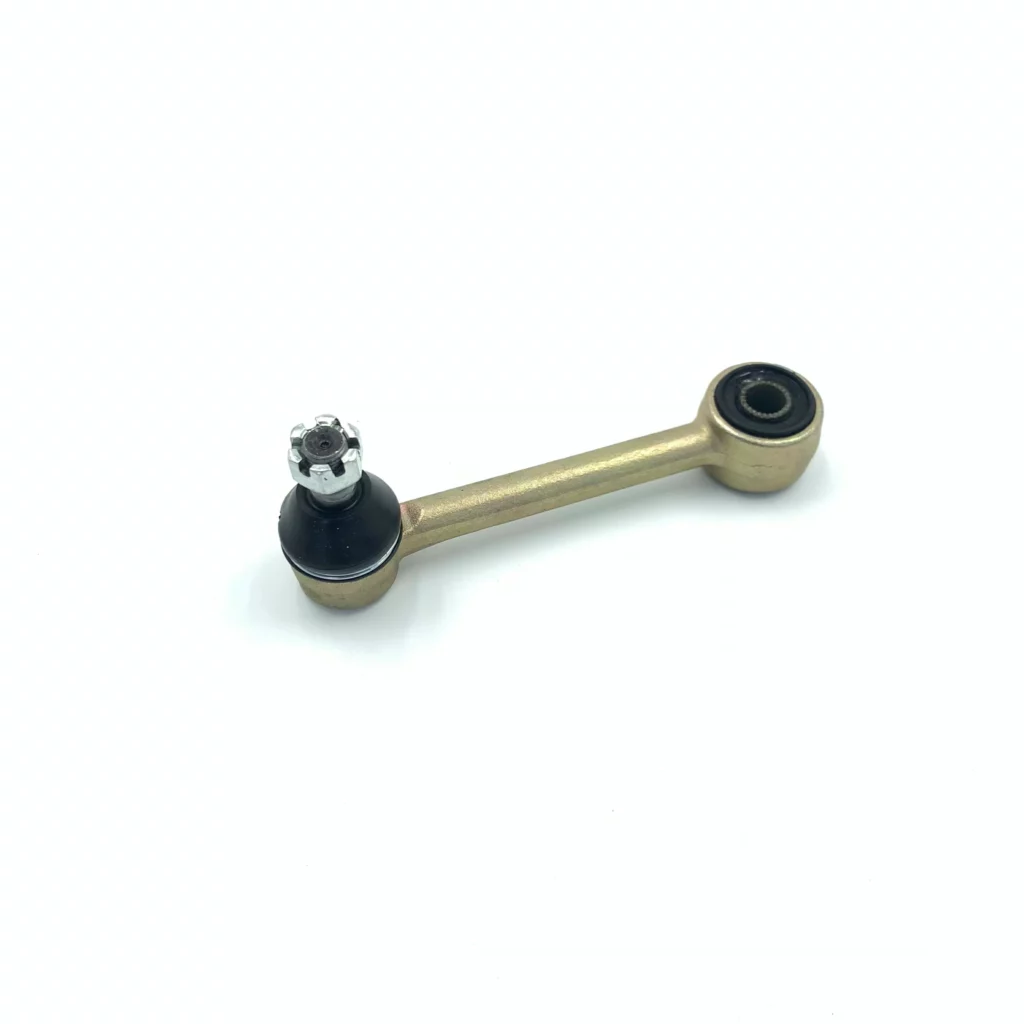
Understanding Tie Rod Ends
Tie rod ends are essential components in a vehicle’s steering system. They connect the steering rack to the steering knuckle, transmitting motion while allowing articulation. Seiring waktu, tie rod ends can wear out due to stress, corrosion, or regular mileage, leading to kemudi longgar, keausan ban tidak merata, or vehicle instability.
A high-quality ujung batang pengikat from a reputable tie rod manufacturer ensures daya tahan, keamanan, and precise steering response.
Signs That Tie Rod Ends Need Replacement
1. Steering Wheel Play
Excessive play or looseness in the steering wheel often indicates worn tie rod ends.
2. Keausan Ban Tidak Merata
Check tire tread patterns. Uneven wear, especially on the inside or outside edges, may signal tie rod end issues.
3. Vehicle Pulls to One Side
A car that drifts or pulls during driving may have a compromised steering linkage.
4. Noises While Turning
Clunking or knocking sounds when turning are common symptoms of failing tie rod ends.
Tools and Equipment Needed
| Tool | Purpose |
|---|---|
| Jack dan Jack Berdiri | Lift and secure the vehicle safely |
| Wrench Set | Remove tie rod end nuts |
| Tie Rod Puller | Extract the old tie rod end without damaging components |
| Torque Wrench | Ensure proper torque during installation |
| Pistol Gemuk | Lubricate the new tie rod end |
Step-by-Step Process: Cara Mengganti Ujung Tie Rod
Melangkah 1: Prepare the Vehicle
- Park on a level surface and engage the parking brake
- Lift the front of the vehicle using a jack and jack stands
Melangkah 2: Remove the Old Tie Rod End
- Loosen the locking nut on the inner tie rod
- Remove the tie rod end from the steering knuckle using a tie rod puller
- Carefully note the rotation count to maintain alignment
Melangkah 3: Install the New Tie Rod End
- Thread the new ujung batang pengikat onto the inner tie rod
- Tighten the lock nut and torque to manufacturer specifications
Melangkah 4: Reattach to Steering Knuckle
- Insert the tie rod end into the knuckle
- Install the castle nut and secure with a cotter pin if applicable
Melangkah 5: Alignment Check
- Verify wheel alignment after installation to prevent uneven tire wear and handling issues
Pro Tip: Always use OEM-quality or certified replacement tie rod ends from a trusted tie rod manufacturer to ensure durability and safety.
Common Mistakes to Avoid
- Over-tightening or under-tightening the nuts
- Forgetting to check vehicle alignment after replacement
- Reusing worn or damaged cotter pins
- Not lubricating tie rod ends when applicable
Why Professional Suppliers Matter
Using a reliable auto parts supplier ensures that replacement tie rod ends are consistent in quality, dimensions, and materials. Working with Forward gives B2B customers access to certified tie rod ends and expert technical support, helping service shops reduce downtime and improve customer satisfaction.
For inquiries or bulk orders, contact us here for guidance and a tailored solution.
Pertanyaan Umum
Q1: How often should tie rod ends be replaced?
A1: Khas, every 50,000–100,000 km, but it depends on driving conditions and vehicle type.
Q2: Can I replace tie rod ends without an alignment?
A2: Technically possible, but wheel alignment is strongly recommended to prevent uneven tire wear.
Q3: Are aftermarket tie rod ends safe?
A3: Only if sourced from a certified tie rod manufacturer. Quality and specifications must match OEM standards.
Q4: How long does the replacement take?
A4: Professional mechanics can replace tie rod ends in 30–60 minutes per side, depending on vehicle design.
Forward – Your Trusted Auto Parts Supplier
Maju specializes in high-quality automotive components, including tie rod ends and other steering system parts. With years of experience servicing B2B clients, workshops, and fleets, we provide:
- OEM-certified components from trusted manufacturers
- Technical support for installation and maintenance
- Bulk supply and fast delivery for industrial and commercial clients
Working with Forward ensures reliable products, consistent performance, and long-term partnership.
Referensi
- Wikipedia – Tie rod: Tie rods are structural members used in steering systems to connect the steering gear to the wheel assembly.
- AutoCodes – What is Tie Rod?: Tie rods transmit motion from the steering gear to the wheels and are key parts in vehicle steering systems.
- Collins Dictionary – Tie rod definition: Defines tie rod as a rod used in automotive steering linkage to maintain alignment and control.