


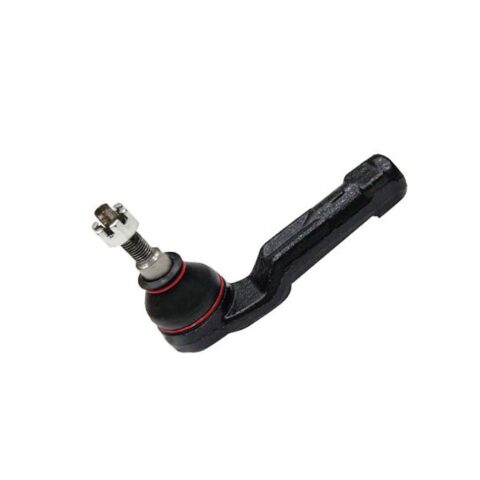
The Ultimate 2026 Guide: What Does a Bad Tie Rod End Look Like – Signs, Costs & Pro Solutions
Introduction: Why Tie Rod End Health is Non-Negotiable for Safety and Performance
In the intricate ballet of a vehicle's steering and suspension system, the tie rod end plays a starring, albeit unsung, role. This critical component is the final link that translates your steering wheel input into directional change at the wheels. For auto parts professionals, fleet managers, and serious enthusiasts, accurately diagnosing a failing tie rod end is a fundamental skill. It's not merely about spotting wear; it's about preventing catastrophic failure, ensuring regulatory compliance, and protecting downstream investments in tires and other suspension parts like the suspension control arm and stabilizer link .
As a leading auto parts supplier with a global footprint, we've audited failure patterns from East Asia to Europe and the Americas. The data is clear: neglect here is expensive and dangerous. This guide, updated for 2026, moves beyond basic symptom lists. We provide a deep-dive methodology that blends visual inspection, tactile diagnostics, cost analysis, and sourcing intelligence, designed for both the novice mechanic and the seasoned procurement specialist.
Section 1: The Essential Visual and Physical Inspection – A Step-by-Step Guide
1.1 The 5-Step Visual Checklist for a Bad Tie Rod End (Beginner-Friendly)
Before touching a tool, a thorough visual inspection can reveal 80% of problems. Perform this with the vehicle safely elevated and the wheels pointing straight ahead.
- Boot Integrity: The rubber or thermoplastic boot is the first line of defense. Look for any cracks, tears, or missing clamps. A compromised boot allows grease to escape and contaminants like grit and moisture to enter, accelerating wear. In our experience sourcing for harsh European winters, boots degraded by road salt are a primary failure initiator.
- Grease Leakage: Visible grease splatter around the boot or on the surrounding components is a telltale sign the seal has failed. The joint is running dry.
- Physical Damage: Inspect the tie rod end body for bends, cracks, or severe corrosion. Impact damage from potholes is common, especially on inner tie rod ends.
- Thread Condition: Check the threads on the adjuster sleeve. Severe rust or stripped threads can complicate adjustment or replacement, a frequent issue noted by our wholesale clients in coastal regions.
- Abnormal Angles: While the vehicle is on the ground, have an assistant turn the steering wheel slightly. Observe the tie rod end. It should pivot smoothly. Any binding or twisting at an extreme angle suggests internal seizure.
1.2 Advanced Diagnostic: Feeling the Play and Listening for Clunks
Visual checks are insufficient for early-stage wear. Internal play is the true enemy. You'll need an assistant for this.
Vertical Play Test: With the vehicle lifted and the wheel hanging free, grip the tire at the 6 and 12 o'clock positions. Try to rock it top-to-bottom. Any noticeable clunk or movement, after ruling out a bad wheel bearing, often points to excessive wear in the tie rod end's ball-and-socket joint.
Horizontal Play Test (The Gold Standard): This is more definitive. Have your assistant gently turn the steering wheel left and right just enough to take up slack (about an inch of wheel movement). Meanwhile, firmly grasp the tie rod (not the boot) near the end. You are feeling for any lag or